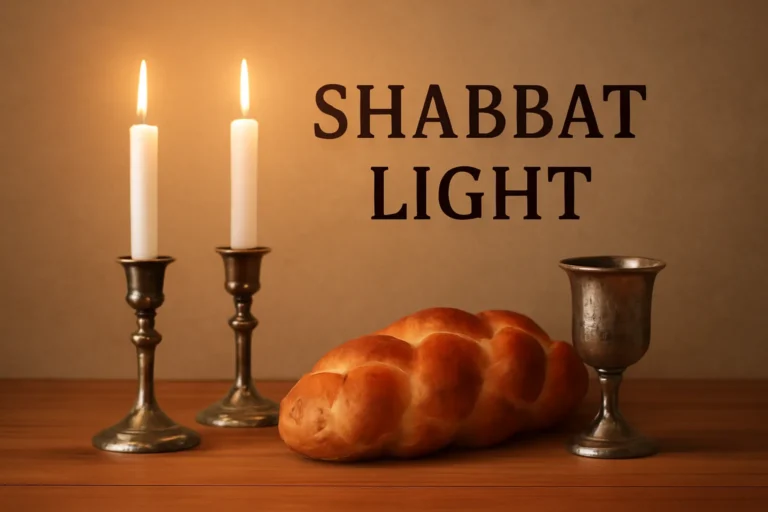
In many Jewish homes, the ritual of lighting candles before Shabbat is a moment of reflection, peace, and community. Among the many choices that families make for this observance, the use of beeswax Shabbat candles stands out for its timeless beauty and its ethical appeal. These candles, often handmade and eco-friendly, offer a distinctive glow—warm, bright, and long-lasting—that complements prayer, song, and food shared around the Sabbath table. The purpose of this article is to explore why beeswax candles have earned a special place in Sabbath lighting, how they are made, what varieties you can find, and how to use and care for them so your home can glow with tradition in an environmentally conscious way.
The appeal of beeswax Shabbat candles goes beyond aesthetics. Beeswax is a natural, renewable resource that burns cleanly with little soot and a subtle, honey-like fragrance. For many households, the candles you light on Friday evening become a sensor of time—an anchor that helps you pause, prepare, and welcome a period of rest. Whether you call them Shabbat candles, Sabbath candles, or simply beeswax candles, the experience is fundamentally about inviting light into the home in a way that honors tradition while respecting the planet.
The Benefits of Beeswax Shabbat Candles
The choice of beeswax as the primary material offers several practical and symbolic advantages. Below are some of the most commonly cited benefits, along with a few considerations that can help you decide which style or size fits your home.
Clean burn: Beeswax candles produce less soot than paraffin, contributing to a healthier indoor air quality as you gather around the table.
Long burn time: When poured into the right molds, beeswax candles can last longer than many synthetic options, providing steady light throughout Shabbat evening and into the morning.
Natural fragrance: The natural aroma of unrefined beeswax is gentle and unobtrusive, enhancing rather than overpowering the aroma of challah, spices, and wine.
Renewable and sustainable: Beeswax is a byproduct of beekeeping, a process that supports pollination and biodiversity when managed responsibly.
Timeless aesthetics: The warm amber hue and the soft flicker of beeswax candles evoke classic Sabbath ambiance that many families treasure.
Respect for tradition: Lighting candles is a centuries-old practice, and beeswax candles are often chosen to honor the history of the Sabbath ritual.
In addition to these practical benefits, many congregations and households discover that handmade beeswax candles carry a sense of care and intention. The creators who craft these candles—whether local artisans or small workshops—bring skill, patience, and a personal touch to each piece. That handmade aspect is not only about craftsmanship; it is a form of sustainability and respect for craft that aligns with the values many families want to see in their weekly rituals.
The Handmade Process: From Wax to Flame
The heart of a handmade beeswax Shabbat candle lies in the careful process by which raw beeswax is transformed into a finished, burn-ready product. While there are many ways to approach candle making, the essential steps typically include sourcing, preparation, pouring, curing, and finishing. Each stage offers opportunities for artistry and quality control, ensuring that the final product meets both aesthetic and liturgical needs.
Sourcing: Beekeepers and refiners provide natural beeswax, often in sheets or pellets. Some makers prefer to work with unbleached wax to preserve the natural color and scent; others may blend wax from multiple hives to achieve a consistent consistency and burn.
Wicks: The wick choice affects how the flame behaves. Cotton wicks braided in a way that promotes a steady burn are common, and some artisans experiment with wood wicks for a crackling effect, though traditional Shabbat lighting typically uses quiet, clean-burning cotton wicks.
Molds and forms: Candles come in a range of shapes—taperes, pillars, braided strands, and decorative forms. The form you choose can influence how the light fills the room and how the candle exhibits its character on the Sabbath table.
Pouring and setting: Wax is melted, filtered if needed, and poured into prepared molds or molds lined with wicks. Some makers use multiple layers to create color bands or subtle textures, while others preserve a pure, uniform beeswax appearance.
Cooling and curing: Proper cooling—often slowly and in a stable environment—helps prevent cracking and ensures a smooth finish. Curing may be required to allow the scent and sheen to settle, especially for larger candles.
Finishing touches: Final trimming of the wick, smoothing of any irregular surfaces, and sometimes adding a simple decorative wrap or labeling complete the process.
If you are new to beeswax candles, consider starting with taper candles or a modest pillar set. These forms commonly integrate easily into a Shabbat table and pair well with candlestick holders. You may also encounter beeswax braided candles, which combine multiple strands into a single elegant column and create a distinctive glow as the flame travels along the braid.
Eco-Friendly Qualities and Sustainability
A key motivation for choosing eco-friendly Sabbath lighting is a desire to minimize environmental impact without sacrificing spiritual and aesthetic richness. Beeswax candles offer several sustainability advantages, particularly when produced with mindful sourcing and responsible waste management.
Renewable resource: Beeswax is a byproduct of beekeeping, meaning it comes from living organisms that can replenish themselves with proper care and habitat support.
Low soot and lower emissions: Compared with paraffin, beeswax burns cleaner, reducing indoor soot and the release of potentially harmful compounds into the air.
Biodegradable packaging and minimal waste are common in small-batch, handmade production. Many artisans opt for recyclable or compostable materials for labels and wrappers.
Supporting pollinators: Choosing beeswax candles that come from responsible beekeepers can support healthy bee populations, which are vital for ecosystems and agriculture.
Longer life, fewer replacements: A durable beeswax candle may burn longer than cheaper alternatives, which means fewer replacements and less waste over time.
When evaluating eco-friendliness, some shoppers look for certifications, like sustainability statements from small workshops or transparent sourcing information. Even without formal certification, you can often learn about a producer’s values by asking about how the bees are kept, whether the wax is filtered naturally, and how packaging is handled.
Styles and Variations of Beeswax Shabbat Candles
The term beeswax Shabbat candles encompasses a wide family of shapes, sizes, and decorative approaches. Each style has its own aura and practicality, allowing households to express personal taste, be mindful of space, and meet different lighting needs. Below is a survey of common variations, with notes on where they might suit a particular home or table.
Taper beeswax candles are a staple for many Shabbat tables. They slip easily into candlesticks and offer a slim, elegant profile that doesn’t overwhelm the dining area. Depending on the wax purity and wick size, tapers burn with a steady flame and produce a warm, golden glow that enhances conversation and song.
Ideal for unobtrusive lighting around challah, wine, and spices
Available in various diameters, from slender 8–10 mm to more substantial 14–16 mm options
Often sold in sets to coordinate with standard candlesticks or centerpieces
Pillar Candles and Votives
Pillar candles in beeswax offer a different presence at the table or in the living room. Their thicker bodies can provide a radiant, architectural glow, while votive beeswax candles deliver a compact heat source that is easy to place around the room.
Great for creating a central focal point on the Sabbath table
Votives are versatile for small candlesticks or holders in a rows-of-two or rows-of-three arrangement
Beeswax commonly yields a matte to subtle glossy finish, depending on curing and polishing steps
Braided and Sculptural Forms
Some artisans craft braided beeswax candles or sculptural pieces that function as both candles and decorative art. These forms celebrate craft as a spiritual act, echoing the weaving of tradition and community. Braided candles often have a gentle texture that highlights the natural wax color and can be striking under a simple table setting.
Colored and Fragrant Variants
While beeswax is naturally pale to golden, some producers add natural colorants to achieve a subtle palette. Colored beeswax candles exist, though many people prefer the natural aroma and hue. In some cases, a faint honey scent accompanies the glow, but the ritual emphasis remains on the flame and the sense of Sabbath peace rather than any fragrance.
Practical Use and Safety Tips
To fully enjoy Shabbat candle lighting, it helps to approach use with a few practical guidelines. The goal is to maximize safety, minimize waste, and preserve the integrity of the ritual. The following tips cover lighting, maintenance, and best practices for a long, meaningful candle experience.
Lighting and Extinguishing
Light the candles before sunset on Friday, ensuring they are safely placed away from drafts and on a heat-resistant surface. As you light, you may recite the blessing and keep a moment of quiet anticipation for the weekend ahead.
Keep wicks trimmed to about ¼ inch (6 mm) for a steady, even flame
Avoid placing candles near curtains, paper, or other flammables
When it’s time to end the Shabbat lighting, extinguish candles safely with a snuffer or by gently bending the wick, never blowing directly on the flame
Storage and Reuse
Beeswax candles store well if kept in a cool, dry place away from sunlight. Prolonged exposure to heat can cause warping or softening. If you have a bouquet of colored or scented variants, consider using them for special occasions rather than daily use to preserve the overall atmosphere you desire for Shabbat.
Wrap with acid-free tissue or keep in a cloth bag to prevent dust buildup
Label candles by size so you can quickly select the right one for a given table or holder
Trim and clean the wicks periodically to maintain a clean burn
Caring for Your Candles and Wicks
A long-lasting, well-loved set of beeswax Shabbat candles is a product of thoughtful care. The way you handle, store, and maintain your candles affects burn quality, longevity, and the ceremonial experience itself.
Wick Maintenance
Proper wick care is essential for a steady flame. A wick that’s too long or fiber that’s charred can cause uneven burning and more soot. Regular trimming and occasional inspection for frayed fibers help maintain a calm, reliable burn.
Trim the wick before each lighting to about ¼ inch
If a wick becomes mushroomed or curled, trim it to restore a clean burn
Discard wicks that show signs of cracking, excessive soot, or deformation
Cleaning Wax Drips and Surface Care
It’s common for candles to shed a small amount of wax as they burn. A soft cloth can wipe away drips from the holder, and you can use warm water for more stubborn spots. If you notice significant wax build-up around the base, a gentle re-molding or re-centering during a cool period can help.
Let the candle cool completely before attempting any surface cleaning
Use a soft, lint-free cloth to wipe away excess wax
For stubborn residues, place the candle on a parchment-lined surface and re-melt the wax with a gentle heat (e.g., a hair dryer on a low setting) and wipe away
Ethical Sourcing and Community Impact
The ethical dimension of choosing beeswax candles often extends beyond personal preference to a broader community impact. Many artisans work directly with beekeepers or small cooperatives, ensuring fair wages, transparent supply chains, and supportive practices for pollinators and habitats.
Fair labor practices: Small workshops frequently provide living wages and humane working conditions, with opportunities for artisans to pass along skills to the next generation.
Pollinator stewardship: Responsible beekeeping emphasizes responsible hive management, habitat conservation, and minimal disruption to natural bee behavior.
Local economies: Purchasing from local makers supports regional crafts, keeps money circulating within communities, and reduces transportation emissions.
If you are curious about a particular batch, you can ask candle makers about their sourcing, whether they use fully refined beeswax or blends, and how they handle packaging. Transparent storytelling about origin helps customers connect with the tradition of Sabbath lighting and the ethics of the craft.
Getting Started: Finding, Choosing, or Making Your Own Beeswax Shabbat Candles
Whether you are buying your first set or exploring new styles to diversify your Sabbath lighting, there are several practical paths to take. Your choice might depend on your budget, space, ritual tradition, and aesthetic preferences. Below are several practical approaches, followed by a few ideas for experimental or DIY projects if you enjoy hands-on craft.
Beginner sets: A simple pair of beeswax tapers or a modest pillar set is a good starting point for a new household or for a family incorporating Shabbat candles into a learning routine for children.
Gift-ready options: Pre-wrapped, elegantly packaged beeswax candles can be meaningful gifts for hosts, new couples, or families moving into a new home where Sabbath lighting will play a central role.
Collectible or seasonal variations: Some households enjoy seasonal colors or shaped candles to mark particular festivals or family milestones within the weekly cadence of Shabbat.
DIY kits: If you love crafts, consider a small-kit project to make your own beeswax tapers or braided candles. This can be a shared activity with family or friends, adding depth to the ritual.
Options for purchasing range from local artisanal shops and community markets to online retailers that specialize in beeswax candles. When shopping, you may want to look for information about:
Source of the wax and whether it is unbleached or naturally colored
Type of wick used and whether it is cotton or another material
Burn characteristics, such as suggested burn time per inch of candle length
Care instructions and suggested holders to optimize burn safety
If you enjoy a hands-on approach, you can also consider handmade beeswax candle kits that guide you through the process of pouring, curing, and finishing your own Shabbat candles. This path emphasizes the connection between maker and mystique—the ritual of creation as a form of devotion that enhances Sabbath lighting.
Below are some common questions people have when exploring beeswax Shabbat candles. This section is designed to be concise, yet informative, helping you make informed decisions about styles, maintenance, and practice.
What makes beeswax candles particularly suitable for Shabbat?
Beewax is a natural, non-toxic material that burns cleanly and slowly, producing a warm light with minimal soot. Its gentle glow aligns with the contemplative mood of Sabbath observance, and its heritage as a traditional craft connects families with generations of ritual practice.
Can I mix different kinds of beeswax candles on the same table?
Yes. A mixed arrangement can create a dynamic focal point while preserving the overall harmony and calm of the lighting. If you switch between taper and pillar candles, chart a layout that ensures even heat distribution and safe spacing from flammables.
Are colored beeswax candles authentic or appropriate for Shabbat?
Natural, uncolored beeswax candles embody the classic Sabbath aesthetic. Colored beeswax is available from some artisans, but many families prefer the traditional look. If you choose color, consider keeping the palette subtle to maintain the tranquil atmosphere.
How long do beeswax Shabbat candles typically burn?
Burn time depends on diameter, wick size, and candle form. A well-made beeswax taper can burn for several hours, while pillars preserved in a steady environment may last longer. Always follow the manufacturer’s guidelines for burn time and safety.
Closing Thoughts
The practice of lighting Shabbat candles with beeswax candles is more than a ritual; it is a conscious choice about how to welcome rest, contemplation, and light into the home. The handmade nature of these candles invites a sense of care and connection to the people who crafted them, the beekeepers who sustain pollinators, and the larger community that observes Sabbath together. By selecting eco-friendly candles, you are making a statement about values—valuing tradition while honoring the planet.
Whether you prefer the quiet elegance of beeswax taper candles, the bold presence of a pillar candle, or the decorative appeal of a braided beeswax form, you can create a Sabbath lighting experience that feels personal, meaningful, and environmentally mindful. Let the glow of these candles be a daily reminder that light, learning, and tradition can thrive in harmony with nature when care, craft, and conscience come together.