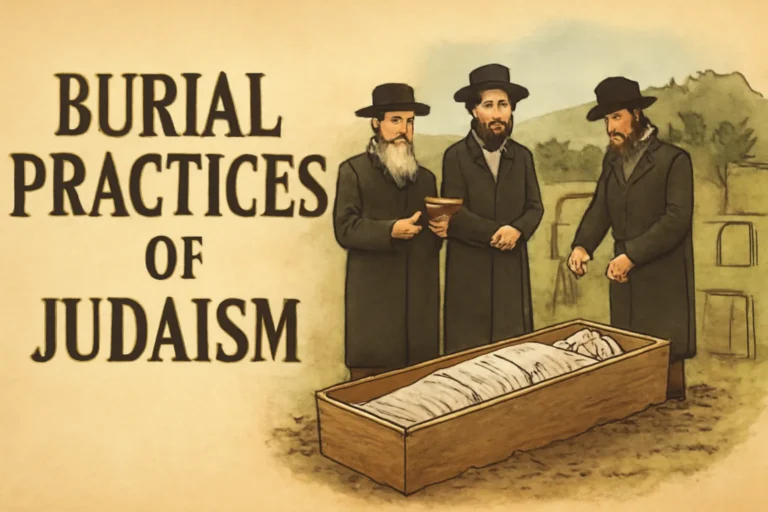
A Yahrzeit is the annual anniversary of a loved one’s death according to the Hebrew calendar. The word itself comes from the German Yiddish, but the concept is deeply rooted in Jewish tradition: to remember, honor, and continue to care for the memory of someone who has passed away. The day is not only a time of mourning; it is also a moment of connection — between the living and the departed, between family members across generations, and between a person’s life and the values they embodied. Observing a Yahrzeit often includes light, prayer, and acts of charity, all aimed at sustaining memory and elevating the soul.
Across communities and denominations, the core intention remains the same: to reckon with loss in a way that honors the person who died and sustains the living with meaning, gratitude, and responsibility. The practice is flexible enough to accommodate personal styles while preserving a shared structure that has held communities together for centuries. In this article, you will find explanations of the meaning behind Yahrzeit, the traditional prayers and practices associated with it, variations you may encounter, and practical ways to honor your loved ones in daily life.
The Meaning Behind the Moment: Time, Memory, and Generosity
The timekeeping aspect of a Yahrzeit is important. In Jewish tradition, days are counted from sunset to sunset, and a death is marked on the Hebrew anniversary rather than the anniversary on the Gregorian calendar. This lunar-solar calendar places the Yahrzeit on a date that cycles through the seasons and aligns with the community’s liturgical calendar year after year.
The memory aspect is what turns a date into a ritual. Remembering a person—telling stories, sharing lessons, repeating the names of the dead—brings their life into present time. The Yahrzeit is an invitation to reflect on what the loved one cared about, what they taught others, and how their example has shaped family ethos, values, and daily choices.
The acts of generosity tied to a Yahrzeit—often in the form of tzedakah (charity) or seva (acts of service)—bridge personal grief with communal responsibility. By giving in memory of someone, families translate loss into ongoing good, turning sorrow into a catalyst for repair in the world. Many traditions emphasize that the merit of a deceased person increases when their memory inspires kindness and justice in the living.
Core Practices: What Happens on a Yahrzeit
While customs vary by family and tradition, several core practices are commonly associated with a Yahrzeit. Each of these activities helps to anchor memory in daily life and to create a cadence of remembrance that can be carried forward year after year.
Lighting a Yahrzeit candle for 24 hours. The candle, often lit at sundown, serves as a physical signal of memory and a reminder to pause, reflect, and offer a blessing for the deceased.
Reciting the Mourner’s Kaddish (Kaddish Yatom) with a minyan when possible. This prayer honors God’s name and expresses longing and faith, even amid grief. The daily recital is especially significant for the immediate mourners, but communities often join in on or around the Yahrzeit.
Reading the name aloud of the deceased during prayer or gathering. Hearing the name spoken aloud reinforces presence and memory, and many people include the deceased’s date of death in Hebrew or English.
Engaging in acts of tzedakah or charitable giving in memory of the deceased. This aligns loss with compassion and justice in the world.
Visiting the gravesite (if possible), or spending time in reflection at home or a place of significance. Some families visit together or independently to tell stories, sing, or recite prayers.
These practices are often accompanied by a simple family gathering where stories are shared, memories are honored, and the lineage of memory is kept alive for children and future generations.
Prayers and Variations Used on a Yahrzeit
The prayer life surrounding a Yahrzeit includes a core set of liturgical pieces, though the exact selections, language, and order can differ by tradition. Here are the main prayers you may encounter, along with notes on their purpose and variations.
Mourner’s Kaddish (Kaddish Yatom)
The Mourner’s Kaddish is the centerpiece of many Yahrzeit observances. It is not a prayer asking for the dead to rest or a request for mercy; rather, it is an affirmation of God’s sovereignty, a declaration of faith, and a sanctification of God’s name in the midst of grief. The mourner recites Kaddish Yatom with a minyan, which is a quorum of ten Jews, and this recital continues throughout the mourning period and, in many families, at each Yahrzeit thereafter.
Some communities sing or chant different melodic settings of Kaddish Yatom, and transliterations or translations may vary. The essential elements—the praise of God, the sanctification of God’s name, and the communal response—remain consistent. The practice of saying Kaddish Yatom on the Yahrzeit itself reinforces the continuity of memory across the year.
El Malei Rachamim (Memorial Prayer)
The El Maleh Rachamim is a memorial prayer that asks God for mercy on the souls of the departed. It is often included in the memorial portions of services or recited at funerals, and many communities include it during Yahrzeit observances as a way to deepen the sense of memory and reverence. The wording emphasizes compassion, the lifting of suffering, and the hope that the righteous will be granted rest.
Variations in this prayer may reflect linguistic customs (Hebrew original vs. transliterations) or slight textual changes across congregations. The essence stays the same: to honor the memory of the deceased with humility, mercy, and tenderness.
Yizkor (The Memorial Service)
Yizkor is a separate memorial prayer that is recited on certain holidays—Pesach, Shavuot, Sukkot, and Shemini Atzeret/Simchat Torah—and, in some communities, on Yom Kippur. While not exclusive to Yahrzeit, Yizkor provides a formal opportunity to remember all deceased relatives and to express a collective memory that extends beyond the individual year’s date.
During Yizkor, families may say the names of their relatives, reflect on the deeds of their loved ones, and offer prayers for peace for the departed. It is common to light memorial candles and to give charity in memory of those who have died. In some congregations, Yizkor is integrated into the Shabbat or holiday service, while others observe it in a separate gathering.
Other Prayer Variations and Practices You Might Encounter
Beyond the central prayers, you may come across variations and additions drawn from different communities or personal practice:
Translational variations and transliterations: People may recite in Hebrew, English, or a mix, depending on language comfort and the congregation’s norms.
Shortened or extended recitations of the Kaddish depending on the setting, time available, and the mourners’ needs.
Inclusion of personal readings—verses of comfort, Psalms, or selections from Jewish poets and liturgists that speak to memory, loss, and continuity.
Charity and acts of service as a formal part of the memorial, often invoked as a direct channel from memory to action in the world.
How to Observe a Yahrzeit: A Practical Guide
If you are navigating a Yahrzeit for the first time, or you want to refresh your routine, here is a practical guide that covers the essential steps, with optional additions that many families find meaningful.
Determine the date according to the Hebrew calendar. You may consult a Hebrew-Gregorian calendar converter or a synagogue calendar to confirm the exact day.
Light the Yahrzeit candle at sundown on the evening before the date and let it burn for approximately 24 hours. Place the candle in a safe, respectful location.
Recite the Mourner’s Kaddish (Kaddish Yatom) with a minyan when possible. If you cannot assemble a minyan, consider delaying the recitation or joining a virtual minyan if appropriate and available in your community.
Say the deceased’s name aloud and, if you wish, share a short memory or sentiment with family or friends who are remembering with you.
Offer a charitable act in memory of the deceased. This could be a donation to a cause they supported, volunteering, or helping someone in need in their name.
Read or reflect on meaningful texts—Psalm 23 or Psalm 23-like verses, prayers of solace, or passages that the family associates with the deceased.
Optional additions—visit a grave if accessible, recite El Malei Rachamim, or participate in Yizkor if your tradition observes it on that date.
Remember that there is no single recipe for a Yahrzeit. The most powerful observances are the ones that resonate with your family’s memory and values. Flexibility and intention are often more meaningful than rigid formality.
Observing Yahrzeit Across Traditions
Jewish practice varies widely, and this diversity enriches the experience of memory. Here are some broad patterns you might encounter:
Orthodox communities typically emphasize strict adherence to the timing of candle-lighting, the use of a minyan for Kaddish, and the regular observance of Yahrzeit as a solemn pace in mourning.
Conservative communities often emphasize communal prayer and consistent observance of Kaddish, with a focus on maintaining traditional structure while accommodating modern life.
Reform and Reconstructionist communities may place more emphasis on personal meaning and memory, sometimes offering more flexible prayer options, English readings, and inclusive language while still honoring the core practices.
Families with interfaith dynamics may adapt by choosing inclusive readings, personal reflections, and acts of charity in memory that reflect shared values across faiths.
Regardless of tradition, the Yahrzeit remains a time when memory and moral responsibility intersect. The practices you choose to observe can be tailored to the person’s life, your family’s needs, and the community you participate in.
Memory is not limited to a single day or ritual. You can maintain a living connection with the deceased through ongoing practices that align with their values and your family’s traditions.
Share stories and lessons your loved one taught you. This keeps their voice present in conversations and decision-making, especially with younger generations.
Make a yearly act of memory—a project, project-based giving, or volunteering in a way that reflects the deceased’s passions and concerns.
Maintain a memorial space at home with a photo, books, or meaningful objects. Update it with new memories and anecdotes as they arise.
Honor their name by preserving family genealogies, letters, or diaries, and by passing them on to a sibling, cousin, or child.
Engage with community—participate in synagogue or community events that celebrate life milestones and the memory of those who have died, thereby weaving the past into the present.
The goal is to transform sorrow into sustained care, transforming private grief into public acts of kindness, learning, and community building.
If you’re new to the practice, you may have questions about dates, prayers, and how to involve others. Here are some frequently asked topics with concise answers.
How is the Yahrzeit date determined?
The Yahrzeit is calculated using the Hebrew calendar. It marks the anniversary of the date of death in the Hebrew lunar-solar year. When the death occurs near Shabbat or a holiday, families may observe the date on the preceding evening or the following day, depending on community custom and local practice.
Who recites the prayers on the Yahrzeit?
The primary mourners recite the Mourner’s Kaddish, often with a minyan. Others—family members and friends—may participate by attending, reading prayers silently, or reciting Psalms or personal reflections. In communities where a minyan is difficult to assemble, some people join a virtual minyan or recite the Kaddish privately with the intention that the prayer is said with the community in mind.
Yizkor is not universally observed on the Yahrzeit itself. It is a separate memorial prayer recited on certain holidays and, in some traditions, may be added to a Yahrzeit service if it falls nearby in the calendar. The practice varies by denomination and family custom. When in doubt, consult your synagogue or a trusted rabbi to understand what aligns with your community’s norms.
Absences happen, and memory remains personal. You can still light a Yahrzeit candle, recite the Mourner’s Kaddish in your own space (even without a formal minyan), say the deceased’s name aloud, read a comforting passage, and perform a charitable act in memory. The intention and presence you bring to the moment are what matter most.
The language of prayers, blessings, and memorials often travels across cultures and languages. You may encounter transliterations of Hebrew phrases, English translations, or poetic renditions that capture the spirit of the liturgy. The important thing is to be attentive to the meaning and to connect with the person you are remembering.
Many families find that personal additions—short prayers, poems, or songs that they associate with their loved one—help bridge the gap between tradition and personal memory. Those additions should be offered with respect for the core liturgy and with openness to the beliefs and practices of all participants.
A Yahrzeit is more than a date on a calendar. It is a structured invitation to remember with intention, to honor what a loved one stood for, and to translate memory into continued acts of goodness in the world. By understanding the core prayers, the variations you may encounter, and the practical ways to observe, you can craft a meaningful observance that respects tradition while reflecting your own family’s narrative.
Whether you lean into the solemn cadence of the Mourner’s Kaddish, the tenderness of El Maleh Rachamim, or the communal lighting of a Yahrzeit candle, the essential act is to keep memory alive in every day that follows. In this way, the departed remain present in our choices, our values, and the ways we care for others.