Yom Kippur: The Jewish Day of Atonement and Holiest Holiday
Yom Kippur, known as the Day of Atonement, is the most sacred day in the Jewish calendar. It occurs ten days after Rosh Hashanah, marking the culmination of the Ten Days of Repentance, a period dedicated to introspection, repentance, and spiritual renewal. On this solemn day, Jews seek forgiveness for their sins and strive to reconcile with God and fellow humans.
Observant Jews observe Yom Kippur with a 25-hour fast from sunset to nightfall, abstaining from food, drink, work, and other physical pleasures. The day is dedicated to intensive prayer, reflection, and repentance, often involving special synagogue services that include the Kol Nidre prayer on the eve and the Neilah prayer at sunset. It is a time for spiritual cleansing, renewal, and hope for a better year ahead.
📊Profile
Hebrew name
Yom Kippur (יום כיפור)
Date in Hebrew calendar
10th of Tishrei
Date in Gregorian calendar
Typically September or October
Duration
24 hours
Type
Rabbinical, High Holiday
Category
Holy Day, Fast Day
Torah portion
Leviticus 16, 23:26-32
Key mitzvot
Fasting, prayer, confession of sins (Vidui), refraining from work
Symbolic foods
None (focus on fasting and prayer)
Greeting/phrase used
G’mar Chatima Tova (May you be sealed for a good year)
📜History and Significance
Historical Origins and Significance
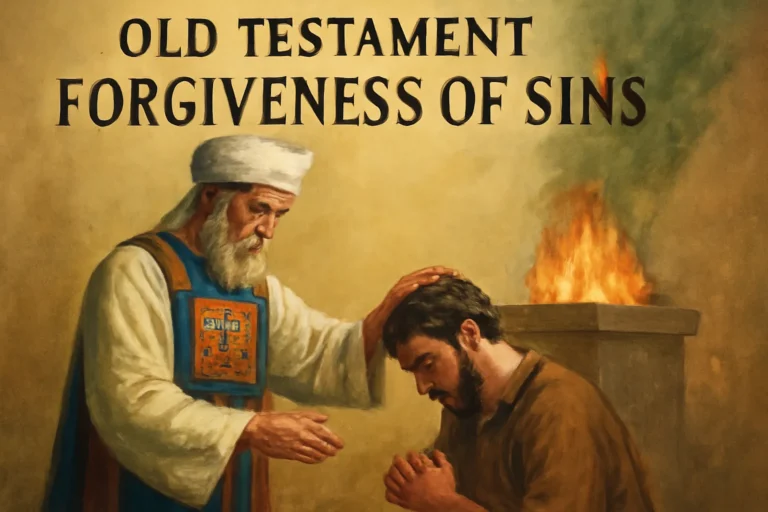
Yom Kippur’s origins trace back to biblical times, rooted in the commandments given in Leviticus, where God instructs Moses to establish a day of atonement for the Israelites. Historically, it was a day for the High Priest to perform sacred rituals in the Holy of Holies, seeking atonement for the entire nation. Over centuries, the observance evolved from temple rituals to a day of communal prayer and personal repentance.
Spiritual and Cultural Evolution
Throughout Jewish history, Yom Kippur has served as a powerful symbol of divine mercy and human repentance. During periods of exile and persecution, the day took on additional significance as a time for hope, spiritual renewal, and collective reflection. The development of prayer books and liturgy over centuries has enriched the observance, emphasizing themes of forgiveness, humility, and renewal.
Today, Yom Kippur remains a profound spiritual experience for Jews worldwide. It is observed with intense prayer, community participation, and personal introspection. Despite modern challenges, the core principles of atonement and reconciliation continue to inspire millions, making it a cornerstone of Jewish religious life and identity.
🕯️Traditions & Customs
Preparations and Synagogue Services
Leading up to Yom Kippur, communities engage in introspection and seek forgiveness. Synagogue services are central, beginning with the Kol Nidre prayer on the evening before, which annulled personal vows made during the year. The services continue throughout the day with readings from the Torah, penitential prayers (Selichot), and the recitation of the Vidui confessional.
Fasting and Abstinence
Fasting from sunset on the eve of Yom Kippur until nightfall the next day is a core observance. Participants abstain from food, drink, bathing, anointing, wearing leather shoes, and marital relations, emphasizing spiritual reflection over physical needs. The fast symbolizes humility and repentance.
Customs and Variations
While the core observances are consistent, customs may vary between Ashkenazi and Sephardic communities. Ashkenazi Jews often wear white garments to symbolize purity, while Sephardic communities may incorporate additional prayers and melodies. Many also attend Kol Nidre and Neilah services, which are considered the most spiritually intense moments of Yom Kippur.
After sunset, the fast concludes with the blowing of the shofar, a ram’s horn, symbolizing spiritual awakening and renewal. The day ends with a communal greeting of hope and forgiveness, emphasizing reconciliation and renewal for the year ahead.
Yom Kippur is considered the holiest day in Judaism, with many Jews spending up to 25 hours in synagogue prayer and reflection.
📜
The Kol Nidre prayer, recited on the eve of Yom Kippur, is one of the most emotional and significant prayers, annulling personal vows made during the year.