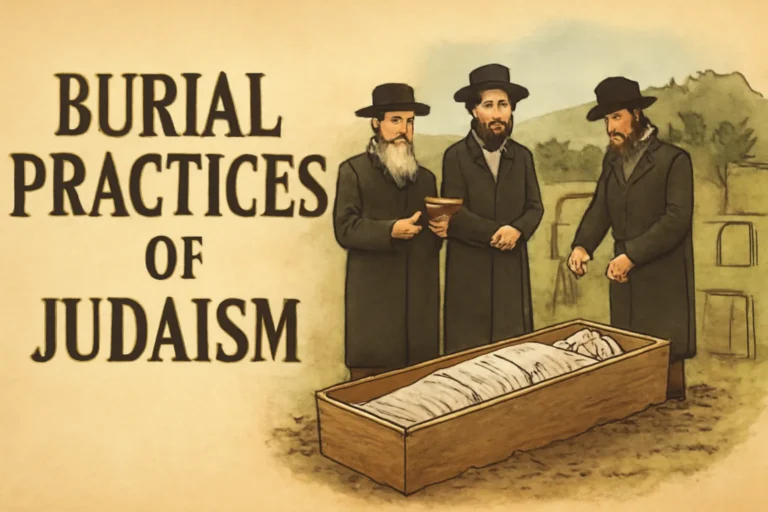
A Jewish unveiling service—also called a matzevah unveiling, a grave marker unveiling, or a haflat matzevah—is a solemn moment in which loved ones publicly honor a deceased person by revealing a grave marker and offering prayers, reflections, and memories. This ceremony sits at the crossroads of remembrance and tradition. It can provide a bridge between the intimate process of grieving and the communal act of memorializing. The purpose of the unveiling ceremony is not to close a chapter, but to illuminate a memory, affirm a life, and reaffirm continuity for those who remain. In this article, you will find practical guidance and thoughtful considerations to plan a meaningful grave marker ceremony that remains faithful to Jewish practice while honoring your family’s values and wishes.
Understanding the Unveiling: why a matzevah unveiling matters
The matzevah (Hebrew for gravestone) is a lasting symbol of a person’s life. The unveiling is traditionally a moment when the marker is revealed to the public after the burial, or after the headstone is prepared, and a brief service is held. Different communities may have slightly different customs, but common elements include a quiet moment of reflection, brief readings or prayers, and a reaffirmation of memory and connection to the deceased. A carefully planned ceremony can help mourners transition from immediate grief toward ongoing remembrance and tribute.
In planning a grave marker ceremony, families often balance three aims: honor the deceased with dignity, support those who are mourning, and reflect their loved one’s life through words, prayers, and the marker’s inscription. You may hear the ceremony described as a unveiling rite, a grave marker dedication, or simply an unveiling—and while terminology might vary by community, the heart of the practice remains the same: a shared moment of reverence at the grave site.
Planning the ceremony: steps and timelines
The planning process for a Jewish unveiling service can be organized into practical steps that help families manage expectations, respect ritual obligations, and create a meaningful experience. Here is a structured approach you can adapt to your circumstances.
Clarify purpose and scope:
Decide what you want the ceremony to accomplish. Is it primarily a moment of quiet reflection, a time for family members to speak, or a more expansive service with multiple readings? Establish the tone you want—solemn, reflective, or uplifting—so the day feels coherent.
Coordinate with the cemetery and marker provider:
Check the cemetery’s policies regarding ceremonies at the grave site and the schedule for marker installation. Ensure that the marker’s inscription is final or close to final before the unveiling takes place. Confirm whether a specific date and time can be reserved for the service.
Consult your rabbi or spiritual leader:
A rabbi or cantor can guide the ritual framework, select appropriate prayers and readings, and offer language that matches the family’s tradition. If your community follows Orthodox, Conservative, Reform, or another approach, you’ll want guidance that aligns with that framework.
Choose the participants:
Decide who will lead portions of the service, who will read, who will offer a eulogy or memory, and who will recite prayers. Consider whether children or grandchildren will participate and how to prepare them for the moment.
Draft the service outline:
Work with your rabbi or lay leaders to outline the flow of the unveiling ceremony, including the order of prayers, readings, and reflections, along with any songs or instrumental music.
Plan the inscription and inscription process:
Decide what the headstone will say and how to present it during the unveiling. Common inscriptions include the person’s full name, Hebrew name, dates of birth and death, and a short epitaph if desired. Ensure translations or transliterations are accurate for non-Hebrew speakers.
Prepare readings and prayers:
Select psalms or passages that were meaningful to the deceased or the family. Consider bilingual options if attendees come from diverse backgrounds.
Logistics and comfort:
Plan for seating, a place to gather, and weather contingencies. Decide whether to provide chairs, shade, or a rain plan. Consider accessibility needs for elderly or disabled mourners.
Communication with attendees:
Share the plan, location, timing, and any special instructions with family and friends. Provide guidance on dress code, photography, and whether guests should bring notes or memory cards to place near the marker.
Elements of the unveiling: rituals, prayers, and readings
A unveiling ceremony typically blends Hebrew prayers, reflective readings, and personal memories. While the specifics vary, the structure often includes an opening, a brief blessing, a moment of quiet reflection at the marker, and a close with prayers.
Opening and welcome: A designated leader acknowledges the gathering, welcomes attendees, and explains the purpose of the grave marker unveiling.
Prayers and blessings:
A rabbi or cantor may recite El Malei Rachamim (the God of mercy), Kaddish Yatom (the Mourners’ Kaddish) if a minyan is present, or other appropriate prayers. These prayers honor the memory of the deceased and provide comfort to the mourners.
Readings and reflections:
Selected psalms or passages from Jewish liturgy or memory-laden poetry can be read by family members, friends, or clergy. Consider bilingual readings to include all attendees.
Moment at the marker:
Family members or participants stand near the headstone, offering a moment of silence, a spoken memory, or a brief blessing as the marker is unveiled.
Closing prayer and flight of memory:
The service often concludes with a final blessing, a recitation of Kaddish by those with a minyan, or a short benediction that carries the memory forward.
Prayers, readings, and practical options
Practical choices during the unveiling depend on tradition and the family’s preferences. Helpful suggestions include:
Hebrew prayers such as El Malei Rachamim, Bar’khu, and Kaddish Yatom when a minyan is available.
Translations and transliterations to ensure all attendees understand the meaning and feel included.
Psalm selections like Psalm 23 (The Lord is my shepherd), Psalm 121 (I lift up my eyes to the mountains), and Psalm 46 (God is our refuge) for their themes of comfort and strength.
Poetic or prose readings that reflect the person’s life, values, or faith tradition.
Personal eulogies or memories by family members, friends, or colleagues, offered in a concise and respectful manner.
Roles and participants: who attends, who leads
The unveiling service is most meaningful when it includes clear roles and respectful participation from those who cared for the deceased. Roles commonly include:
Rabbi or cantor to guide the service, recite prayers, and provide spiritual framing.
Family spokespersons to share memories, readings, and reflections.
Members of the congregation or minyan to recite Kaddish Yatom and, when possible, El Malei Rachamim.
Grave marker or cemetery staff who assist with logistics and the ceremonial unveiling of the marker.
Photographers or videographers with permission from the cemetery, ensuring privacy and respect for mourners.
If your community leans toward a more egalitarian or reform practice, you may adjust the roles to include more speakers, bilingual readings, or inclusive language. The key is to honor the deceased while ensuring mourners feel supported by the collective presence around them.
Personalization within the unveiling: making it meaningful
A grave marker ceremony offers a rare opportunity to personalize the experience while remaining grounded in tradition. Personalization can take numerous forms:
Inscription choices on the headstone that commemorate a life, values, or cherished memories.
Symbolic elements such as a favorite song, a meaningful verse, or an image that reflects the person’s passions (e.g., nature, music, or community service).
Memory books or notes placed near the marker for guests to read or add thoughts, prayers, or memories.
Language choices—offering portions in Hebrew, English, or the family’s native language to welcome all attendees.
Music and silence:
Short, contemplative musical pieces or a moment of silence can be included to honor the mood of the day.
When planning personalized elements, collaborate with the rabbi or spiritual leader to ensure that the additions harmonize with Jewish liturgy and local practice. Some communities prefer minimal personalization, while others encourage sharing memories openly. Both approaches can be profoundly moving when done with sensitivity.
Inscribing the headstone: inscriptions, wording, and etiquette
The inscription on the matzevah is a lasting record that future generations will read. Thoughtful wording helps convey who the person was and how they are remembered. Consider the following guidelines:
Full name as registered in birth or death records, including a traditional Hebrew name (for example, “Yehuda ben Avraham”).
Dates using the Hebrew or Gregorian calendar, depending on family preference and cemetery policy.
Relationship descriptors (e.g., husband, father, daughter, mother, friend) to illuminate the person’s community roles.
Epitaphs are common but optional. Short, dignified phrases such as “Beloved by all who knew him” or a brief line from a favorite verse can be meaningful.
Traditional vs. modern language:
In some communities, inscriptions are predominantly Hebrew with English translations offered nearby; in others, bilingual inscriptions are standard.
When drafting inscriptions, involve clergy, cemetery staff, and the gravestone supplier early in the process to ensure legibility, durability, and alignment with local rules. The haflat matzevah ceremony can include a symbolic moment where the marker is officially revealed and the inscription is acknowledged by the community.
A successful unveiling requires careful attention to practical matters. The following considerations help ensure a smooth experience:
Weather contingency: Plan for rain or wind, particularly for outdoor cemeteries. Have shade or rain protection, seating, and a short plan for moving indoors if possible.
Timing: Most unveiling services are brief—often 20 to 40 minutes—so allow time for attendees to gather, travel, and participate without fatigue.
Location and accessibility: Confirm parking, accessible paths, and restrooms if needed for mourners with limited mobility.
Sound and space: If readings or prayers are included, consider whether amplification is appropriate and permitted by the cemetery.
Photography and privacy: Obtain permission from family members and cemetery management regarding photos or videography during the unveiling.
Communication is key. Share the plan with attendees ahead of time and specify what to bring (for example, a written memory or a note to place near the marker) while respecting personal privacy.
After the unveiling: keeping memory alive
The act of unveiling marks a transition in the grieving process. It is also a signal to carry the memory forward. Consider how your family and community will maintain the memory in the weeks, months, and years ahead.
Yahrzeit observances: Schedule annual remembrance around the anniversary of death (the yahrzeit). Attend or organize small gatherings, light a memorial candle, or say a prayer in memory of the deceased.
Memorial acts: Choose ongoing acts of kindness or tzedakah (charity) in the deceased’s name to honor their values.
Memorial materials: Keep a copy of readings, photos, or a short biography near the marker or with the family’s memory albums for future generations.
Community involvement: Encourage friends and relatives to participate in annual remembrances, ensuring the life of the deceased continues to inform and inspire others.
Common questions about the unveiling service
Families often have practical and emotional questions as they plan a Jewish grave marker ceremony. Here are some frequently asked questions and concise answers to help you prepare.
How soon after burial should the unveiling take place?:
There is no universal rule. Many families choose to unveil within a year, once the marker is ready, though some opt for a sooner or later date due to weather, scheduling, or personal readiness.
Is a minyan required for Kaddish?:
If a minyan (a quorum of ten adults) is available, Kaddish Yatom is customary. If a minyan isn’t present, individuals can still offer prayers and readings, and the service can conclude with contemplative silence and blessings.
Can non-Hebrew readings be included?:
Yes. Bilingual readings or translations are common and can make the ceremony more inclusive for attendees who do not read Hebrew.
Who speaks at the unveiling?:
A rabbi or cantor typically leads the service, while family members or close friends may share memories or readings. The exact lineup should reflect the family’s wishes and the community’s norms.
What if the marker inscription isn’t finalized?:
It’s common to have the inscription finalized before the unveiling, but some families choose a provisional inscription with a plan to complete the final text later.
What should attendees bring?:
Personal notes of memory, small items to place near the marker, or simply themselves to participate in the moment of reflection and prayer.
Denominational and cultural variations
Jewish communities span a spectrum of practices. While the core idea of honoring a life at the grave remains constant, the unveiling ritual can differ in detail across Orthodox, Conservative, Reform, and secular streams. Understanding these variations helps families tailor the ceremony to their beliefs and comfort level.
Orthodox communities tend to emphasize traditional liturgy, a concise service, and strict respect for cemetery protocols. The haflat matzevah is often modest, with a focus on solemn prayers and remembrance.
Conservative communities may balance traditional prayers with contemporary readings, allowing more room for personal reflections while maintaining reverence for ritual structure.
Reform communities frequently welcome a broader range of readings, musical elements, and inclusive language. They may incorporate family members’ memories more freely and incorporate varied spiritual expressions.
Secular or cultural memorials may emphasize personal narratives, community service, and the life story of the deceased, with prayers optional or adapted to fit the family’s belief system.
Regardless of denomination, the aim of the grave marker ceremony is to honor the deceased in a way that feels authentic for the family and respectful to those who attend. The best approach is to consult with a knowledgeable leader within your community who can help design a plan that aligns with tradition, law, and local cemetery rules.
Sample outline: a practical one-page plan for your unveiling
To help you visualize a typical day, here is a concise outline you can adapt. This outline balances tradition with personalization while keeping the ceremony accessible for all attendees.
Arrival and gathering: Guests arrive at the cemetery, sign in if needed, and share a moment of silence before the service begins.
Welcome and purpose: A leader (rabbi or family spokesperson) explains the purpose of the unveiling and introduces the deceased.
Prayers and readings: Selected prayers (Hebrew and/or English) and readings are offered by clergy or family members.
Unveiling moment: The marker is revealed, followed by a moment of reflection or a brief song, if desired.
Personal reflections: A few family members or close friends share memories or a short eulogy.
Closing blessing: A final prayer or blessing is offered, followed by a note of remembrance and a cue to depart respectfully.
After the ceremony, families may invite attendees to join them for a modest gathering or to continue memories at a nearby location. Some families choose to place a small keepsake near the marker or provide a forum for guests to leave a written memory.
Closing thoughts: nurturing memory with dignity
The unveiling service is a meaningful practice that helps communities transform loss into lasting memory. While it can be emotionally challenging, careful planning can keep the ceremony focused on dignity, gratitude, and connection. By working with clergy, cemetery staff, and loved ones, you can design a grave marker unveiling that reflects who the deceased was and how the family wants to honor their legacy.
Whether you call it a haflat matzevah, an unveiling ceremony, or a matzevah unveiling, the essential ingredient remains the same: a shared moment in which memory becomes a lasting beacon for those who remain.