Understanding the Landscape of the Cost of Jewish Cremation
The topic of cost of Jewish cremation sits at the intersection of deeply held religious beliefs, family finances, and the practical realities of arranging final rites. For many families, the question is not only about the price tag but also about whether cremation aligns with their tradition, community standards, and personal values. This article offers a comprehensive overview of cremation-related expenses, how prices are determined, and how Jewish customs shape both the decision and the budgeting process. While Judaism comprises a wide spectrum of beliefs and practices, this guide emphasizes the range you’re likely to encounter across Orthodox, Conservative, Reform, and secular communities. It also highlights concrete steps to navigate the system, obtain clear quotes, and plan with sensitivity and clarity.
Historical and Religious Context for the Cost of Cremation in Judaism
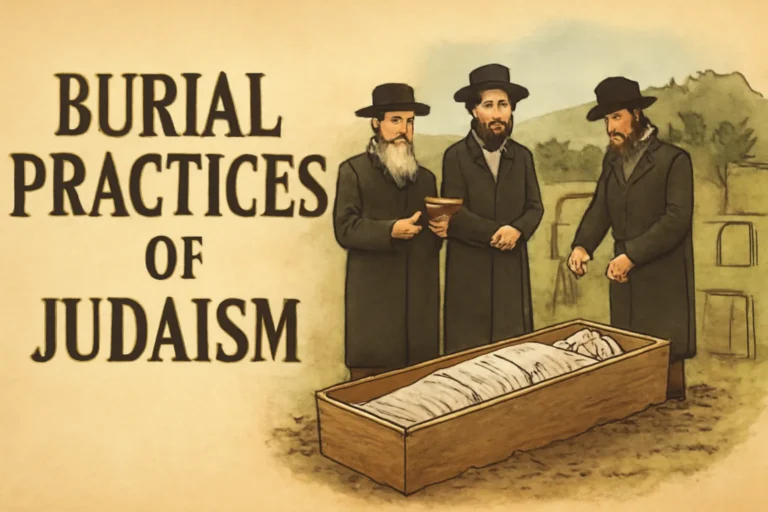
Jewish tradition has historically emphasized burial in the earth rather than cremation. The preference for burial is rooted in the belief that the body should rest in the ground, returning to the earth. In many ancient and medieval sources, cremation is discouraged or forbidden, and traditional practice has often treated cremation as incompatible with Jewish law in a normative sense. Nevertheless, contemporary communities vary in response to changing social norms, legal requirements, and personal circumstances. When families face the costs of cremation, they also confront questions about halachic (religious) acceptability and communal expectations.
Denominational differences and the practical realities
– Orthodox Judaism: Cremation is generally discouraged, and many authorities consider it not in accordance with traditional law. Families approaching this option may encounter significant religious cautions, rituals, and community guidance. The cost of Jewish cremation in Orthodox communities often reflects services that are prepared in ways consonant with ritual norms, but the overall preference remains burial.
– Conservative Judaism and Reform Judaism: Attitudes toward cremation can be more permissive, with varying degrees of emphasis on ritual purity, mourning practices, and cemetery policies. In these streams, the cremation costs may include different kinds of services and memorial options, sometimes with more flexibility in scheduling and location.
– Secular or culturally Jewish families: Even when religious authority is less central, families may still seek guidance about rituals, funerary etiquette, and the symbolism of cremation. In all cases, understanding the costs of cremation requires clear communication with the funeral home, the chevra kadisha (ritual rosters or burial society), and the cemetery administration.
What Drives the Cost of Jewish Cremation and Related Services
The final price tag for a Jewish cremation is rarely a single line item. It reflects a combination of mandatory services, ritual considerations, and ancillary expenses. Here are the main cost components you’re likely to encounter:
Cremation service fee — The core charge from the crematory or cremation provider, covering the actual cremation process and basic administrative handling.
Funeral home charges — Fees for staff time, arrangement conferences, transportation of the deceased, and coordination with cemeteries or synagogues.
Taharah (ritual purification) and shomrim — In traditional practice, a chevra kadisha may prepare the body with ritual cleansing and garments. Some communities provide these services at no cost or a modest donation; others bill for preparation labor, time, and materials.
Transportation — Costs to move the deceased from the place of death to the preparation area, then to the crematory, and finally to the cemetery or memorial site.
Urn and memorialization — An urn or other container, engraving, and optional keepsakes or memorial products. Cemetery rules may require specific types of containers or placements, influencing price.
Cemetery or columbarium fees — Even with cremation, separate cemetery or columbarium costs (plot, niche, perpetual care) can apply if interment or in-ground placement is chosen, possibly far from the crematory itself.
Clergy or officiant fees — Honoraria for any rabbi, cantor, or ritual leader who participates in the service or provides spiritual guidance for the family.
Obituary and processing charges — Some providers include obituary notices, certificate copies, or other administrative tasks that may incur a fee.
Taxes and permit fees — Local permits, death certificates, and tax-related charges can add to the overall expense.
It is important to obtain an itemized quote that distinguishes these categories. When families compare the cost of Jewish cremation across providers, they should request a breakdown so nothing is assumed and so there are no surprise fees on the day of service.
Comparing Costs: Cremation vs. Traditional Burial in Jewish Contexts
A frequent question is how the costs of cremation compare with the expenses associated with traditional burial in a Jewish context. The answer varies by regional market, cemetery policy, and the choices a family makes about memorialization. In many communities, cremation can be less expensive upfront than a traditional burial because it removes the need for a new casket, cemetery plot, and ongoing perpetual care that burial typically requires. However, certain cemetery policies and rabbinic guidance can influence whether those savings are realized in practice.
Upfront costs: Cremation generally reduces the price of a casket and earth burial plot, though some families still incur significant charges for the cremation itself and for memories such as an urn or memorial stone.
Ongoing costs: Traditional burial often carries ongoing maintenance costs in perpetuity. Cremation with a niche or memorial wall can lessen or sometimes avoid long-term maintenance obligations, depending on the cemetery.
Flexibility and scheduling: Cremation can offer scheduling flexibility for families managing complex travel or work obligations, potentially reducing costs associated with urgent transport or overnight arrangements.
Ritual and community fees: Regardless of the chosen method, many communities require specific ritual practices, which can contribute to overall costs. The presence or absence of particular rituals will influence the final price.
Geography and Market Variations in the Cost of Cremation for Jewish Families
The geographic location plays a large role in whatever you pay for cremation services. Urban areas with high funeral home rates, cemetery premiums, and tightly regulated crematories can drive the price upward. Rural areas or regions with a robust market of religiously sensitive providers may offer lower cremation costs but with a narrower range of ritual options. Families who relocate or choose to hold a service in a different city may also encounter variable costs related to travel, lodging, or regional clergy fees.
Religious Considerations and the Role of Rituals in Cremation Planning
Even when a family negotiates the cost of Jewish cremation, many want assurance that rituals and values are not compromised. Rituals such as tahara (ritual washing) and shomrim (watching the deceased) have traditional importance for communities that observe them. Some cremation services accommodate these rituals, while others may schedule them in a way that respects both religious considerations and logistical realities.
Key rituals and their financial implications
Tahara: Some facilities offer taharah as a bundled service; others quote it separately. Families should ask whether taharah is included, optional, or fully separate, and whether a chevra kadisha is provided by the cemetery or externally contracted.
Shomrim and vigil practices: The cost of watchful presence for the deceased may be included in funeral home charges or billed as a separate line item.
Kaddish recitations and memorial prayers: Clergy or family members may lead or participate in service components, affecting honoraria and scheduling.
El Malei Rachamim and other memorial prayers: Some communities incorporate these prayers at the service or graveside; costs can vary based on location and clergy involvement.
Practical Pathways to Manage the Costs of Cremation
If you are preparing for the cost of Jewish cremation, here are practical steps to manage the process with clarity and respect:
Gathering information: Collect itemized quotes from at least two or three providers. Be explicit about which items are included and whether there are optional rituals or services that can be added or removed to adjust the total.
Ask about inclusions and exclusions: Clarify whether taharah, shomrim, clergy honoraria, and cemetery fees are included or billed separately. Request a written breakdown for transparency.
Compare total costs across options: Include all components—cremation, transport, urn, cemetery, and memorial costs—when comparing quotes. A lower base price may not translate to savings if other line items are high.
Check cemetery policies: Some cemeteries require specific types of urns or have mandatory perpetual care fees. Confirm these requirements ahead of time to avoid surprises at the last minute.
Consider family and community resources: Some communities maintain funds or provide guidance to assist with the cremation costs when families face financial hardship. Inquire about scholarships, subsidies, or volunteering options that apply to ritual preparation or memorialization.
In practice, many families find that the cost of Jewish cremation can be managed with careful budgeting, early planning, and a clear dialogue with funeral professionals who understand religious sensitivities. The goal is not only a budget but also ensuring that the final arrangements honor the deceased and support those in mourning.
Planning and Budgeting Toolkit for the Cost of Cremation in a Jewish Context
Below is a practical toolkit to help families anticipate and plan for cremation-related expenses while staying aligned with their values and community norms.
Checklist of required services: List the mandatory components in your area (cremation process, transport, taharah if applicable, clergy involvement, and cemetery placement).
Timeline planning: Create a two- or three-week plan for arranging cremation logistics, obtaining permits, and coordinating with the chevra kadisha and cemetery.
Budget template: Build a simple spreadsheet with lines for itemized costs and a column for potential discounts or subsidies.
Vendor interviews: Prepare a set of standard questions to ask: What is included in the base price? Are there optional rituals? What are the payment terms?
Family meetings: Schedule conversations with close relatives or trustees to confirm preferences, which helps prevent last-minute disputes and unexpected costs.
Ethical and Community Resources to Understand the Cost of Cremation
Various communities provide guidance and support to families navigating the cremation costs in a way that respects both financial constraints and religious sensibilities. Some synagogues, community centers, and chevra kadisha organizations publish guidelines or offer access to affordable or subsidized options for members. Before committing to a provider, families should:
Consult with a rabbi or spiritual advisor to understand halachic implications and community norms around cremation.
Ask whether the chevra kadisha in your area offers coordination services, educational materials, or financial assistance for preparation and ritual rites.
Inquire about any tax benefits, charitable contributions, or donor programs that may offset the costs of cremation.
Common Myths and Realities About Cremation in Jewish Life
Several misconceptions persist about cremation within Jewish communities. Addressing these myths can help families make informed decisions about the cost of Jewish cremation and any associated rituals.
Myth: Cremation is universally forbidden in Judaism. Reality: While Orthodox authorities generally discourage it, many other streams permit cremation or permit it under specific circumstances, leading to diverse pricing and service options.
Myth: Cremation is always cheaper than burial. Reality: In some cases it can be, but total costs depend on cemetery rules, the type of urn, and whether long-term maintenance or memorialization is chosen.
Myth: You cannot include ritual prayers if you choose cremation. Reality: Many communities arrange for appropriate rites, clergy involvement, and memorials while respecting cremation arrangements.
Myth: All cemeteries allow cremated remains. Reality: Some cemeteries have restrictions about urn types, placement, or memorialization; always verify with the cemetery beforehand.
Planning Checklist for Families Navigating the Cost of Jewish Cremation
To help families proceed with confidence, here is a concise planning checklist that centers on cost awareness and respectful practice:
Define the family’s cultural and religious stance on cremation, noting any denominational guidance.
Obtain at least two or three itemized quotes from reputable providers, asking for a full breakdown of all charges.
Clarify inclusions for taharah, shomrim, clergy, transportation, urn, and cemetery requirements.
Investigate community resources, subsidies, or charitable funds that may offset costs.
Confirm cemetery policies regarding cremation, memorialization, and perpetual care, including any niche or plot fees.
Develop a memorial plan that aligns with budget and spiritual goals, including potential virtual or in-person options for mourners who cannot attend.
Prepare an itemized budget and a contingency plan for unanticipated expenses.
Review and sign all arrangements only after all questions are answered and quotes are understood.
Conclusion: A Thoughtful Balance of Tradition, Cost, and Care
The journey through the cost of Jewish cremation involves balancing religious beliefs, community norms, and practical budgeting. It is never merely a financial calculation; it is a process that honors the deceased, supports the living, and reflects the family’s values. By understanding the main cost components, recognizing regional and denominational differences, and engaging in clear, early planning, families can navigate cremation options in a way that respects tradition while addressing financial realities.
Whether you pursue cremation, burial, or a hybrid approach that some communities are exploring, the central aim remains the same: to honor memory, maintain dignity for the deceased, and provide solace for mourners. If you are currently evaluating options, take heart in the fact that careful preparation, open dialogue with trusted clergy and funeral professionals, and a clear sense of priorities can make the path smoother and the final arrangements more meaningful. In the end, the cost of Jewish cremation is not simply a number—it is a part of a larger story about community, tradition, and care for one another in times of loss.