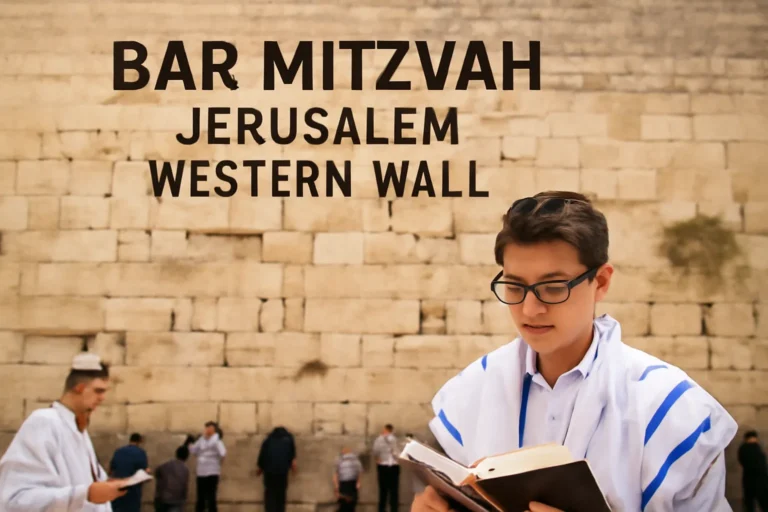
The bat mitzvah program is more than a single event. It is a holistic journey that blends learning, spiritual growth, family participation, and festive celebration. This article offers practical ideas, clear timelines, and comprehensive checklists to help families design a thoughtful and meaningful path from idea to invitation. Whether you call it a bat mitzvah planning journey, a bat mitzvah schedule, or a broader rite of passage program, the goal is the same: empower a young person to embrace responsibility, community, and identity while honoring tradition.
A well-rounded bat mitzvah program touches several key domains: spiritual learning, Hebrew literacy, ceremony design, family roles, social and charitable engagement, and the celebration itself. Depending on your community, synagogue requirements, and family priorities, you may emphasize different components. The central idea is to create a coherent plan that aligns education, ritual practice, and life milestones into one coming-of-age program that feels authentic and workable for your circumstances.
Foundational goals and success criteria
Clarifying objectives
Before you commit to concrete steps, define what success looks like for your child and your family. Consider:
What should the learning path look like—how many Hebrew lessons, how much Torah study, how deep should the interpretation go?
What level of ritual proficiency is appropriate—public speaking, leading portions of the service, or chanting?
What personal goals does your child want to achieve—confidence, leadership, or community service?
How does the family want to incorporate community involvement and grandparents or mentors?
Inclusive and accessible planning
Make space for different learning styles, pacing, and needs. A thoughtful bat mitzvah program acknowledges that every participant grows at a unique rate, and it should offer options for both quiet study and collaborative projects, as well as accommodations when needed. This may include:
Multiple study tracks (highly structured vs. flexible)
Alternative preparation paths for non-native Hebrew speakers
Options for virtual or hybrid learning if geography or scheduling is a constraint
Timelines and milestones: designing a realistic schedule
Timelines are the backbone of any bat mitzvah planning effort. They keep everyone aligned, prevent last-minute scrambles, and help families manage money, time, and energy. Below are two commonly used frameworks: a traditional long lead schedule and a flexible, modern timeline that accommodates busy family calendars.
Long-lead timeline (12–18 months)
Use this framework if your synagogue requires early notice or if you want to ensure a comfortable pace for learning and preparation.
Establish core goals and assemble the planning team: parents, honored adults, and the teacher or tutor.
Confirm the date and venue, including any synagogue service constraints and reception timing.
Choose the Hebrew tutor or tutor team and review initial curriculum goals.
Begin Torah portion and Haftorah study planning, aligning with weekly synagogue services or classes.
Draft a rough bat mitzvah program outline with ceremony elements and potential honorees.
Set a preliminary budget and identify possible sponsors or family contributions.
Develop a communication plan for family, friends, and community members.
Flexible, modern timeline (6–9 months or shorter)
This approach works well for families balancing sports, school, or other commitments, while still delivering a meaningful experience.
Lock in the date and venue; confirm any guest capacity or accessibility considerations.
Finalize a learning plan with clear milestones for Hebrew proficiency and Torah study.
Choose service leadership roles and begin dedicated preparation sessions.
Plan the ceremony layout: aliyot, honors, and responsive readings.
Outline the reception and program flow, including greeting, speeches, and participating guests.
Publish invitations and implement RSVP tracking; adjust the schedule as needed.
Curriculum and learning path: building the formal education layer
The bat mitzvah curriculum should be age-appropriate, engaging, and linked to meaningful outcomes. It is not only about mastering a page of text but about understanding the values and responsibilities that come with adulthood in Jewish life. Below are core components and suggested activities.
Torah portion and Haftorah planning
At the heart of the rite of passage program is the ability to read and interpret a Torah portion. Consider a pathway that combines:
Selection of a portion that resonates with your child’s interests or life experiences
Chumash study and commentaries to deepen comprehension
Practical training in cantillation, chant pace, and musicalintensity appropriate for the service
Haftorah study and interpretation, if relevant to your community or tradition
Hebrew language and prayer proficiency
Many families include a Hebrew literacy track as part of the program. This might involve:
Phonetics practice, vowel sounds, and basic chanting
Understanding common prayer structures and blessings used during the service
Memorization strategies and rehearsal routines
Character-building and community service
A modern coming-of-age program integrates character development with service to others. Ideas include:
Short-term and long-term mitzvah projects, such as volunteering, fundraising for a cause, or community outreach
Reflective journaling or portfolios documenting personal growth
Discussion circles about ethics, identity, and responsibilities in Jewish life
Creative and experiential learning
Learning does not have to be conventional. Experiential projects can enrich the bat mitzvah planning process:
Creating a community service plan and presenting it to a synagogue committee
Designing a multimedia project documenting the Torah portion’s relevance
Leading a service element and receiving constructive feedback in a supportive setting
Ceremony design: shaping the religious and ceremonial experience
The ceremony is a focal point of the bat mitzvah journey. Thoughtful planning ensures that the service is dignified, inclusive, and comfortable for the honoree and for attendees. Consider these aspects when shaping the bat mitzvah program.
Service structure and leadership
Decide who will participate in leading the service and in which roles:
Torah and Haftorah readings by the bat mitzvah honoree (with support)
Leading certain prayers or responsive readings
V’seinat Hashem or other blessings specific to your community
Special honors for family members and friends (aliyah, maftir, hagbah, g’lilah if applicable)
Speech writing and guest participation
Many families include short speeches or reflections from mentors, grandparents, or siblings. Tips for this component:
Provide a clear time limit and topic guidance
Offer rehearsal opportunities and constructive feedback
Encourage messages of meaning rather than only congratulations
Accessibility, inclusivity, and cultural sensitivity
A mannerly, inclusive service ensures all attendees feel welcome. Consider:
Seating arrangements that accommodate families and friends with mobility needs
Alternate readings or transliterations for those who are unfamiliar with Hebrew
Quiet spaces or prayer areas for guests seeking reflection or rest
Celebration planning: the reception and guest experience
The celebration is the joyful extension of the bat mitzvah planning process. A well-executed reception honors the honoree and creates cherished memories for families and guests. Here are components to consider.
Reception timing that complements the service and allows time for photos
Meal style (catered dinner, buffet, or dessert reception) and dietary accommodations
Photo opportunities and a clear program flow to keep guests engaged
Theme, decor, and meaningful touches
Decor can reflect the child’s interests and the family’s Jewish identity. Ideas include:
Color palettes inspired by the synagogue’s colors or the parade of a Torah
Centerpieces that symbolize mitzvot or community service projects
A keepsake or momento that ties the learning journey to the celebration
Guest experience and invitations
Thoughtful guest engagement can be achieved through:
Clear invitations with service times, venue addresses, and accessibility notes
Programs that outline the ceremony, readings, and honoree acknowledgments
Thank-you notes or small tokens for guests and mentors
Memories and documentation
Consider ways to preserve the bat mitzvah program milestones for years to come:
Professional or DIY video recording of the ceremony and reception
Guest book or message board with reflections on the honoree’s journey
A photo album or digital archive of the event
Budgeting, logistics, and risk management
Financial planning and practical logistics are essential to a smooth journey from concept to celebration. A realistic budget helps ensure the bat mitzvah planning remains sustainable and free from avoidable stress.
Estimating costs and creating a budget
Common budget categories include:
Venue and catering costs
Rabbinic or cantorial fees and synagogue charges
Outreach materials, invitations, and photography
Entertainment, decor, and reception rentals
Costumes, talit, kippah, and ceremonial items
Donor and sponsorship options
Some families explore shared funding options or community sponsorship to reduce individual financial strain. Approaches include:
Volunteer host committees that contribute in-kind services
Fundraising projects tied to the mitzvah journey, such as charity drives
Donor recognition in a tasteful, respectful manner
Checklists and templates: keeping the plan actionable
Checklists are practical anchors for the rituals and planning. They help you stay organized and provide a clear path from the first meeting to the final thank-you note. Below are sample templates you can adapt to your circumstances.
12–18 month checklist overview
Define goals and assemble the planning team
Choose a date, venue, and service format
Confirm synagogue requirements and study timelines
Develop the learning plan and set learning milestones
Outline the ceremony roles and plan rehearsals
Draft the budget and begin fundraising or sponsorship planning
Start communications with family, friends, and the community
6–9 month checklist for momentum
Finalizing service logistics and special honors
Lock in vendors for reception and decor
Continue Torah portion and Haftorah study with regular practice
Prepare speeches or reflections; schedule rehearsals
Design invitations or save-the-date materials and distribution plan
Final month and week checklist
Approve final draft of service program and readings
Confirm guest counts and dietary restrictions
Finalize seating plan and run-of-show timeline
Conduct a full rehearsal with all participants
Prepare a post-event plan for thank-you notes and memories
Family roles, communication, and stewardship
A positive and focused bat mitzvah journey relies on clear roles and open communication among family members, the synagogue community, and outside vendors. Here are practical strategies to ensure a smooth process.
Assigning roles and responsibilities
Parent coordinators to manage logistics, budget, and vendor communications
A learning mentor or tutor to guide Torah and Hebrew studies
A volunteer committee for invitations, programs, and hospitality
Community mentors or grandparents to lead portions of the ceremony or readings
Communication planning
Establish a communication rhythm that fits your family culture. Suggestions include:
Regular planning meetings with a chosen cadence (monthly, then weekly as the date approaches)
Shared calendars and check-in reminders for family members and teachers
Transparent budgeting updates and milestone confirmations
Special considerations: culture, inclusivity, and adapting to your community
Every family’s bat mitzvah program is shaped by their synagogue, cultural traditions, and personal preferences. Here are considerations to help you tailor the plan with sensitivity and care.
Religious and communal alignment
Work with your rabbi or cantor to ensure the program respects the local customs, prayer practices, and service requirements. Some communities emphasize certain readings, melodies, or liturgical practices that should be honored in your plan.
Accessibility and inclusion
Design the process to be accessible to all participants and guests. Think about:
Wheelchair-accessible venues, translator services, and printed materials
Options for guests with different dietary needs or religious observances
Quiet spaces or sensory-friendly accommodations if needed
Encourage grandparents, aunts, uncles, and cousins to contribute to the journey, whether through readings, storytelling, or mentoring. A well-woven bat mitzvah planning process strengthens family ties and community bonds.
Putting it all together: a sample narrative to illustrate the journey
Imagine a family embarking on a truly collaborative bat mitzvah program. They begin with a long-range vision: a meaningful rite of passage that weaves study, service, and celebration into a cohesive year and a half journey. They assemble a planning team, interview instructors, and set goals that reflect their child’s strengths and interests. They choose a date that honors prominent family milestones and synagogue rhythms, and they design a ceremony that feels personal while respecting tradition.
As the months pass, the learner builds Hebrew competency, develops a Torah-based message, and grows in leadership. The family crafts a service flow that invites permission for the honoree to lead with confidence and include peers and mentors in meaningful roles. The learning path extends beyond the service with community service projects, reflective journaling, and opportunities to present at family gatherings and in the synagogue community.
In parallel, the celebration plans unfold with care: a reception that mirrors the values of the journey, invites that clearly communicate the schedule, and a program designed to celebrate the honoree’s growth. Through every step, the family documents memories, creates keepsakes, and thanks those who helped along the way. The result is not simply a date on a calendar but a living ritual of passage that the honoree will carry into adolescence and beyond.
Conclusion: embracing a thoughtful, flexible bat mitzvah program
Planning a bat mitzvah program is an opportunity to learn together, to honor Jewish tradition, and to celebrate a young person’s emergence into a new stage of life. By combining a clear timeline, a comprehensive curriculum, ceremony planning, and careful budgeting, families can transform a major milestone into a meaningful and manageable process. Use the variations of the phrase bat mitzvah program throughout your planning materials to keep the language fresh and to reinforce the breadth of activities involved: from the bat mitzvah plan to the bat mitzvah journey, from the bat mitzvah curriculum to the coming-of-age program, and from the ceremonial elements to the post-event reflections. The path is not one-size-fits-all, but with thoughtful preparation, it can be deeply personal, joyfully shared, and spiritually resonant for years to come.