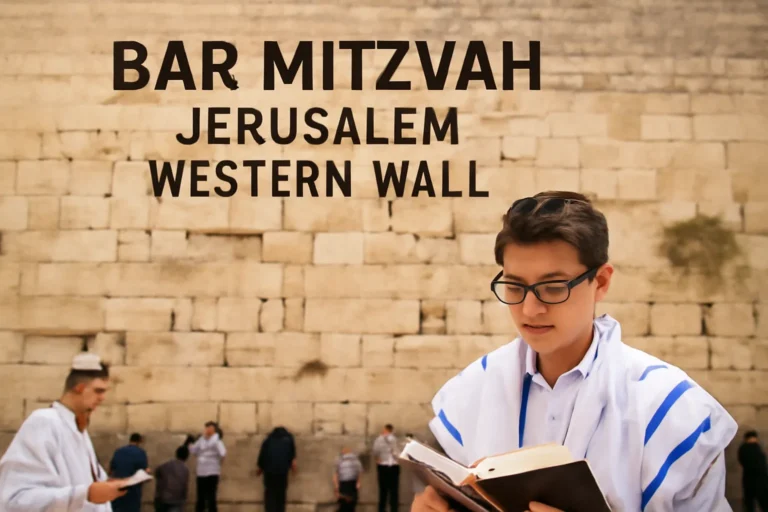
A Bar Mitzvah marks a pivotal moment in a Jewish boy’s life: the formal transition from childhood to adulthood in the religious community. This is more than a ceremonial rite; it is a declaration of growing responsibility, a deepening of knowledge, and a public commitment to observe the mitzvot (commandments). In many communities, the moment when a boy becomes a bar mitzvah is celebrated with family, friends, and members of the synagogue, often accompanied by the boy’s first full Torah reading in the service.
The phrase to become bar mitzvah carries with it a sense of readiness to assume religious duties, including reading from the Torah, leading parts of the service, and contributing to the spiritual life of the community. The journey toward this rite of passage can take months or even years of study, practice, and guidance from religious leaders. The process varies by community and denomination, but the core idea remains the same: a boy reaches a defined age and demonstrates knowledge, understanding, and commitment to Jewish law and tradition.
What Is a Bar Mitzvah?
The term bar mitzvah literally means “son of the commandment.” In traditional practice, a boy becomes eligible to perform certain religious duties and take on more responsibility in religious services once he turns 13. Depending on the community, the exact rituals and expectations may differ, but the central elements commonly include:
Torah portion reading: a portion from the weekly parashah is read and chanted with trop (cantillation).
Blessings before and after the Torah reading, including the blessing over the Torah and the aliyah (the honor of being called up to the Torah).
Dvar Torah: a short speech or explanation that connects the portion to moral or ethical lessons.
Participation in the service in a more active role, such as leading certain prayers or prayers for the congregation.
Encountering greater mitzvah obligations in daily life and ritual practice.
While the mechanics of the ceremony can vary, what endures is the communal recognition that this young person has reached a new level of spiritual maturity and can carry forward Jewish continuity in speech, action, and aspiration.
Step-by-Step Guide to Becoming a Bar Mitzvah
Step 1: Decide on a Path and Timeline
The journey toward becoming a bar mitzvah begins with a conversation within the family and the chosen synagogue. Important early questions include:
Which denomination or community tradition best matches the family’s goals—Orthodox, Conservative, Reform, or another stream?
What is the target date or timeframe for the ceremony?
What is the boy’s current level of Hebrew and knowledge of prayers, blessings, and Torah trop?
Who will mentor the student—rabbi, cantor, teacher, or a family tutor?
Setting a realistic plan early helps ensure that the boy will have enough time to learn pronunciation, trope, and the meaning of each blessing, while also absorbing the spiritual and ethical dimensions of the milestone.
Step 2: Partner with a Rabbi or Cantor and Create a Learning Plan
A guiding teacher—often a rabbi or a cantor—plays a crucial role in preparing for a bar mitzvah. A good teacher assesses the boy’s strengths and challenges and designs a customized curriculum that may include:
Hebrew reading practice, focusing on vowel signs, cantillation (trope), and fluency.
Torah and Haftorah (prophetic portion) study, including background, themes, and practical understanding.
Prayers and blessings required for the ceremony, with attention to pronunciation and meaning.
Public speaking coaching for the dvar Torah or personal reflection.
Discussion of the moral and ethical responsibilities that accompany adulthood in Jewish law.
In many communities, the plan includes regular practice sessions, a timeline for learning each portion, and milestones designed to build confidence before the big day.
Step 3: Choose a Torah Portion and Haftorah (if Applicable)
Selecting a Torah portion that resonates with the family or offers a meaningful entry point for the boy can make the experience more personal. The portion may be chosen by:
The synagogue’s tradition and calendar, which sometimes dictates a portion aligned with special occasions.
Family preferences or personal relevance, such as themes of responsibility, leadership, or social justice.
Practical considerations, including the size of the portion, the difficulty of cantillation, and the boy’s strength in Hebrew.
Some communities also prepare a Haftorah reading (the prophetic portion) that complements the Torah portion or reflects a related message. Availability and expectations for Haftorah vary by tradition; in some places, Haftorah readings are optional or deferred to a later ceremony.
Step 4: Learn Hebrew, Blessings, and Trop
The heart of the preparation is language and liturgy. The process typically includes:
Mastering the hebrew alphabet and sounds (certain consonants can be tricky for beginners).
Practicing the trop (the cantillation system used to chant Torah). This is essential for accurate chanting and for keeping the cadence of the reading.
Learning the blessings before and after the Torah reading and the blessing over the haftarah (if included).
Memorizing key phrases, including introductions and explanations that will appear in the dvar Torah.
A patient, structured approach helps the boy feel confident on the big day. Some families use flashcards, audio recordings, one-on-one practice, and group classes to reinforce learning.
Step 5: Prepare the Dvar Torah and Public Speaking Skills
The dvar Torah is a short speech that connects the weekly Torah portion to life lessons, ethics, or personal experience. Preparing this speech is a powerful way to internalize the material and communicate meaning to the community. Steps often include:
Drafting a simple, clear message: what the portion teaches and how it applies today.
Rehearsing in front of a mirror, family, or tutor to build comfort with public speaking.
Learning to speak with appropriate pacing, tone, and eye contact.
Incorporating a personal perspective to make the speech authentic and engaging.
The exact length and format of the dvar Torah will depend on the congregation’s tradition. Some communities prefer a short, focused reflection, while others may allow longer, more detailed explanations.
Step 6: Practice the Ceremony and Practical Details
The ceremonial aspects are as important as the intellectual work. For many families, this involves:
Scheduling the day with the synagogue and ensuring sufficient practice times for the Torah reading and trop.
Coordinating the aliyot (the honors of being called up) for the Torah reading and any other readings or prayers.
Discussing logistics with the family, including attire (kittel or tallit), tallit and tefillin usage, if appropriate for the tradition.
Planning the family celebration afterward and coordinating invitations, meal planning, and photos.
The day itself is a blend of ritual accuracy and heartfelt meaning. While technical correctness in chanting and blessings matters, the sincerity of the boy’s commitment shines through to the community.
On the bar mitzvah day, the boy often participates in several distinctive ways:
Being called up for the aliyah and receiving the blessing from the rabbi or cantor.
Reading the Torah portion with proper cantillation and accuracy.
Reciting the blessings before and after the Torah reading.
Delivering the dvar Torah or a short personal reflection, if planned.
Participating in other ceremonial moments — sometimes including the Haftarah, sometimes not, depending on tradition.
Depending on the community, the bar mitzvah ceremony may be a standalone service or integrated into a larger service with family and friends witnessing the milestone.
Step 8: After the Ceremony: Living as a Bar Mitzvah
The end of the formal ceremony marks the beginning of a new normal in the boy’s religious life. Ongoing responsibilities and opportunities may include:
Continuing to participate in regular synagogue life, including occasional Torah readings or leading prayers as permitted by the tradition.
Maintaining a consistent prayer routine and continuing Hebrew study to deepen understanding.
Embracing mitzvot beyond the ceremony, such as charity (tzedakah), acts of kindness, and community service.
Engaging with Jewish ethics in daily life—at school, home, and within the community.
For many families, the bar mitzvah year becomes a time for reflection on values, education, and the responsibilities that come with growing up in a Jewish home.
Practical Tips for a Successful Bar Mitzvah Journey
Whether you are a family preparing for a bar mitzvah ceremony or a teen embarking on the learning path, these practical tips can help:
Start early and set a realistic timetable that balances school, family life, and practice.
Use a variety of study methods: audio practice, visual flashcards, written notes, and in-person coaching.
Ask questions and seek feedback from mentors; constructive critique helps improvement more than perfectionism.
Involve family members in the process to create a supportive environment for learning.
Plan the ceremony logistics well in advance, including invitations and the order of service.
Respect the synagogue’s guidelines and the rabbi’s guidance, especially when it comes to pronunciation and cantillation.
Remember that the moral and spiritual dimensions are as important as the ritual actions.
Denominational Variations: How Practices Differ
Orthodox Communities
In many Orthodox communities, bar mitzvah preparation emphasizes mastery of Hebrew, strict adherence to ritual practice, and a formal Torah reading with cantillation. The boy often wears a tallit (prayer shawl) and may begin wearing tefillin (phylacteries) during morning prayers as part of the ceremony or soon after. The emphasis is on full participation in the service and a clear demonstration of readiness to assume religious obligations.
Conservative Communities
Conservative communities commonly encourage a serious and well-structured study plan with Hebrew fluency and accurate cantillation. The ceremony might incorporate a public reading of the Torah and a Haftorah, depending on community norms. The approach is often more flexible than Orthodox practice, while still placing a high value on traditional liturgy and education.
In Reform or Reconstructionist settings, the bar mitzvah may emphasize personal meaning, moral and ethical reflection, and leadership within the community. The Torah reading and blessings may be adapted to the boy’s comfort level and language preferences. The dvar Torah might draw on modern themes or personal experience, and participation in services is encouraged in a way that nurtures growth rather than strictly following traditional trop.
Common Questions and Clarifications
Here are some frequently asked questions that families often consider as they plan for a bar mitzvah:
Is there a minimum age to begin preparing? Generally, families begin planning a year or more in advance, but the age at which a boy starts learning can vary by denomination and individual readiness.
Do all boys actually read from the Torah? Most do, especially in traditional communities, but some circles may allow alternate forms of participation if needed.
What about the language of the service? Hebrew is common for liturgical readings, but some communities incorporate translations or bilingual readings to help understanding.
Can girls have a similar coming-of-age ceremony? Yes, many communities celebrate a parallel ceremony for girls, often called a Bat Mitzvah, with its own traditions and requirements.
Resources: How to Build a Strong Learning Plan
A thoughtful, well-supported plan makes the journey toward bar mitzvah readiness more achievable. Consider the following resources and approaches:
Hebrew tutoring or synagogue-based classes for Hebrew reading and trope.
One-on-one mentoring with a rabbi, cantor, or experienced bar mitzvah tutor who can tailor a curriculum to the boy’s voice and pace.
Audio and video recordings of Torah readers to study pronunciation and rhythm.
Printed grammars or online resources that explain trope symbols and chant patterns.
Practice scripts for the aliyah and the blessings so the boy can memorize the exact wording with confidence.
Shabbat and holiday experiences to observe how the community integrates learning into worship.
Sample Timeline: A Practical Path to Bar Mitzvah Readiness
Every plan is unique, but a typical timeline might look like this:
12–18 months before: Begin Hebrew and prayer study; start talking with the rabbi about portion choices and ceremony format.
9–12 months before: Decide on Torah and Haftorah portions; begin formal trop study; start practicing the blessings.
6–9 months before: Increase practice frequency; begin the dvar Torah outline; schedule practice readings in front of a small audience.
3–6 months before: Finalize the portion and Haftorah, if applicable; intensify practice; refine public speaking skills.
1–3 months before: Final run-throughs; confirm service logistics; collect invitations and plan the post-service celebration.
Day of the ceremony: Execute the Torah reading with precision, deliver the dvar Torah, and celebrate with family and the community.
Conclusion: Embracing the Rite with Meaning
Becoming a bar mitzvah is a journey that blends study, prayer, and community life. It is about more than the ceremony itself; it is about the ongoing commitment to Jewish values and responsibilities. For many families, the process of turning thirteen is a chance to strengthen family bonds, engage more deeply with the synagogue, and model lifelong learning for the next generation. The words of the day say it all: a young person steps forward to assume a greater role in the life of the Jewish people, and the community welcomes him with warmth, guidance, and a shared sense of purpose.