What Is a Bar Mitzvah and a Bat Mitzvah? A Comprehensive Guide to Jewish Coming-of-Age Ceremonies
In Jewish life, the moment when a child enters the world of religious responsibilities is celebrated in two closely related ways: the bar mitzvah and the bat mitzvah. These terms are often heard at synagogues, family gatherings, and community events around the world. They signify more than a ceremonial milestone; they mark a shift in a person’s relationship to Jewish law, tradition, and community obligations. This article offers an in-depth look at what a bar mitzvah is, what a bat mitzvah signifies, and how coming-of-age ceremonies have evolved across time, geography, and different Jewish movements.
If you are here because you want to understand what it means to become a bar mitzvah or what it means to become a bat mitzvah, you are likely also curious about the preparation, rituals, and modern variations. You will find explanations of core concepts, practical guidance for families, and reflections on how these milestones fit into broader Jewish life. Throughout this guide, you’ll see several variants of the same ideas—variations that reflect the diversity of Jewish practice while keeping a common thread: the transition from childhood to responsible participation in Jewish life.
Definitions, Etymology, and Core Meaning
Bar Mitzvah: Meaning and origin
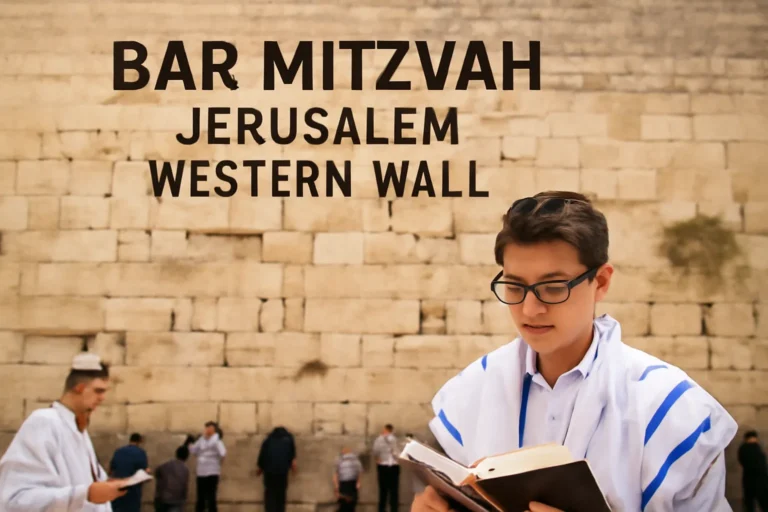
The phrase bar mitzvah comes from Hebrew-Aramaic roots meaning “son of the commandment.” In traditional practice, a male child becomes obligated to observe the commandments when he reaches the age of 13. In a classic sense, this is the moment when a boy is formally recognized as a full member of the Jewish community in matters of religious obligation. The ceremony often includes a public Torah reading, an aliyah to the Torah, and an acknowledgment of new responsibilities before the congregation.
Bat Mitzvah: Meaning and origin
The term bat mitzvah translates as “daughter of the commandment.” Historically, many Jewish communities did not have a formal rite of passage for girls, but in modern times, a bat mitzvah is a widely observed milestone that marks a girl’s entry into a more accountable role within Jewish law and communal life. In many communities, the bat mitzvah ceremony mirrors the bar mitzvah in structure—reading from the Torah, leading prayers, and offering a speech or d’var Torah—though the exact customs vary by movement.
Historical Context and Evolution of Practice
The concept of coming-of-age in Judaism has deep roots that stretch back centuries, but the formalization of a bar mitzvah ceremony as a public rite evolved over time. In ancient and medieval periods, Jewish education emphasized study and mastery of religious texts, but the public ritual of reading from the Torah was typically reserved for an adult male who had already demonstrated knowledge and skill. By the 19th and 20th centuries, as modern Jewish communities grew and diversified, many streams of Judaism began to recognize and formalize a parallel rite for girls. This led to the modern bat mitzvah in many congregations.
Today, the landscape is diverse. You will encounter:
Orthodox communities where the bar mitzvah is a central, traditional rite for boys, while the bat mitzvah may be observed with different expectations for girls, often emphasizing education and public participation rather than formal Torah reading.
Conservative communities that generally offer both bar and bat mitzvah ceremonies with comparable structure, including Torah portions and haftarah readings.
Reform communities that typically embrace a wide range of practices for both boys and girls, with emphasis on personal meaning, equal participation, and often a broader set of readings and roles.
Reconstructionist communities that encourage creative and inclusive expressions of coming-of-age, sometimes integrating community service, tikkun olam, and modern readings.
Regardless of denomination, the bar mitzvah/bat mitzvah idea centers on a young person taking on adult-level participation in Jewish life. The ritual framework provides a teachable moment for families and congregations to celebrate growth, learning, and responsibility.
Age, Timing, and Variations Across Communities
The most common ages are clear in many communities: a bar mitzvah is typically celebrated when a boy turns 13, while a bat mitzvah is often observed when a girl turns 12 (though 13 is also common for girls in several communities). It is essential to recognize that age timing can differ due to tradition, liturgical calendars, and local communal norms.
In many Orthodox circles, the bar mitzvah occurs precisely at age 13, and the boy may begin taking on certain religious duties in the synagogue at that time. The bat mitzvah for girls in Orthodox communities often centers on education, public participation, and ceremonial aspects that may not mirror the exact Torah-reading structure used for boys.
In Conservative and Reform communities, the timing and structure for both the boy and the girl are increasingly aligned and standardized around the age of 12–13, depending on the congregation. The ceremony tends to emphasize communal involvement, liturgical participation, and personal meaning.
In some Reconstructionist communities, the emphasis might shift toward collaborative learning, social action, and creative liturgy, with the coming-of-age ritual tailored to the individual’s interests and spiritual development.
For families, the age of celebration often becomes a family conversation that takes into account schooling, language acquisition (Hebrew or transliteration), and the readiness of the child to assume new responsibilities. Some families choose to host a small private ceremony with close relatives, and then stage a larger public celebration or party to mark the milestone.
The Ceremony Itself: Structure, Readings, and Rituals
A bar mitzvah ceremony or a bat mitzvah ceremony is not a single ritual but a convergence of several elements that together symbolize entry into religious adulthood. The precise order and content can vary by community, but there are common threads that run across most practices.
Public Torah Reading (Leyn) and Aliyah
A central feature in many bar and bat mitzvah ceremonies is the aliyah l’Torah, the invitation to come up and recite blessings before the Torah reading. The student typically reads a portion from the weekly Torah portion (the parashah). In some congregations, the participant also chants part or all of the Haftarah, which is drawn from the Prophets and follows the Torah reading. The act of reading from the Torah is a powerful demonstration of preparation, study, and readiness to fulfill the mitzvot (commandments) that come with adulthood.
Following the Torah reading, an Haftarah portion may be read with blessings. The student or the hazzan (cantor) may chant or lead prayers, depending on the denomination and local custom. The blessing recited before and after the Torah reading acknowledges God’s commandments and the importance of sacred study. In many communities, the incoming adult is invited to participate in leading certain prayers and blessings for the first time in a formal way.
Speech, D’var Torah, and Personal Reflection
A key personal moment in many bar/bat mitzvah ceremonies is the d’var Torah—a short talk in which the student shares insights about the Torah portion, a relevant talmudic or midrashic idea, or a reflection on how Jewish values apply to contemporary life. This is an opportunity for intellectual exploration, ethical reflection, and public speaking, and it often becomes a cherished memory for the family and the congregation.
Beyond the readings, the ceremony commonly includes a sense of new communal responsibilities. The adolescent is welcomed into the adult religious life with commitments to study, observance, and participation in synagogue life. Depending on the tradition, the new adult may lead certain prayers, recite the Shema, or help with the service in a way that signals maturity and accountability.
Preparation: Learning Pathways, Skills, and Spiritual Growth
Preparation for a bar mitzvah or bat mitzvah is often a multi-year journey, combining Hebrew language study, Torah and prayer literacy, and a practical understanding of synagogue life. The learning path is as important as the ceremony itself, since it builds a habit of inquiry, discipline, and ethical living.
Hebrew and Liturgical Skills: letter recognition, vowel pointing, and the ability to read Torah and Haftorah publicly. Memorization of blessings and prayers is common, and many families work with a tutor, teacher, or synagogue program.
Torah Portion Study: deep study of the selected parashah, exploring its commentary, themes, and relevance to contemporary life.
Practical Mitzvot: guidance in how to interpret and fulfill commandments in daily life, such as charity (tzedakah), hospitality, and acts of kindness (gemilut hasadim).
Public Speaking and D’var Torah: developing the ability to articulate a thoughtful interpretation and personal connection to the readings.
Community Involvement: engagement in synagogue life, volunteering, and understanding communal responsibilities during and after the ceremony.
The exact content of the preparation varies by denomination and local community. In many Reform and Conservative communities, the focus emphasizes inclusive education, egalitarian participation, and the integration of modern life with tradition. In Orthodox communities, the study may be more tightly aligned with traditional liturgy, ritual purity, and specific liturgical practices.
Roles, Attitudes, and Gender: How Movements Shape the Experience
The way a bar mitzvah or bat mitzvah is celebrated is influenced by the dominant approach of the community. This affects language in prayers, who can read from the Torah, whether girls may wear a tallit, and whether tefillin are used. Here is a quick panorama:
Orthodox communities typically emphasize tradition, with the bar mitzvah ceremony celebrated with formal liturgy and a public Torah reading. The bat mitzvah ceremony may center on education and public participation for girls, with variations in ritual language and participation. Tefillin and tallit usage is usually gendered, though there are exceptions in some non-orthodox settings.
Conservative communities strive for parity, offering both bar and bat mitzvahs with similar structures, including Torah and Haftarah readings, and a focus on adult responsibilities within a halachic framework.
Reform communities often emphasize personal meaning, equality, and inclusive participation, with flexible readings, optional or symbolic Torah portions, and an emphasis on ethical growth rather than a strict halachic threshold.
Reconstructionist communities highlight creativity, social justice, and modern spiritual expression, encouraging varied liturgical forms and active community engagement as part of the coming-of-age experience.
Across all streams, the underlying value is to nurture a sense of belonging, responsibility, and a lifelong relationship with Jewish learning. Families often find that their own expectations—cultural, spiritual, and familial—shape how the ceremony is celebrated and remembered.
Celebrations, Family Life, and Community Involvement
The day of a bar mitzvah or bat mitzvah is not just about the ritual in the synagogue. It is typically accompanied by family meals, receptions, and community gatherings. In many families, the event becomes a multi-day affair featuring:
Invitations to relatives and friends, including extended family and members of the congregation.
Special Meals such as a Shabbat lunch, a Friday night dinner, or a weekend celebration with guests from far and wide.
Acknowledgments of mentors, teachers, and family members who supported the learning journey.
Gifts and charitable giving as part of tzedakah in honor of the milestone.
Rituals for girls and boys that reflect community norms, with some families including a small symbolic act such as lighting candles, donating to a cause, or performing a mitzvah project that demonstrates social responsibility.
A well-planned bar mitzvah or bat mitzvah event can serve as a bridge between family heritage and individual growth. It can also be an opportunity to discuss Jewish values, history, and contemporary issues within a warm communal setting.
Common Myths and Important Realities
As with any meaningful cultural practice, a number of myths surround the bar mitzvah and bat mitzvah traditions. Clarifying these can help families set expectations and make informed choices.
Myth: A bar/bat mitzvah is only about reading from the Torah. Reality: While Torah reading is central in many communities, the essence of the ceremony includes education, personal reflection, and a commitment to mitzvot that extend beyond the service itself.
Myth: Only boys have a formal ceremony. Reality: In most contemporary communities, girls have a formal bat mitzvah, with equal emphasis on learning, speech, and public participation.
Myth: The ceremony must be lengthy and formal. Reality: Ceremonies vary widely. Some are intimate and focused on study and prayer, while others are festive with extended celebrations. The common thread is responsibility and belonging.
Myth: The bar/bat mitzvah absolves the family of continuing Jewish education. Reality: The milestone often begins a lifelong journey in which study, spiritual practice, and charitable activity continue to grow.
Practical Tips for Families Planning a Bar or Bat Mitzvah
If you are at the planning stage, consider these practical points to guide your decisions and ensure the experience aligns with your family’s values.
Choose a denomination or approach that reflects your beliefs, traditions, and desired level of participation for the child and family.
Discuss timing and scheduling with the synagogue, including the date, the portion to be read, and any custom requirements or permissions.
Plan the education path well in advance, including Hebrew language study, Torah reading coaching, and guidance for the d’var Torah or speech.
Involve the child in decisions about readings, opportunities for leadership, and community service projects to ensure ownership of the experience.
Coordinate the post-service celebration with family, friends, and the synagogue community, balancing meaning with festivity.
Inclusive and Modern Trends in Bar Mitzvah and Bat Mitzvah Celebrations
In recent decades, many communities have embraced inclusivity, egalitarian values, and creative expressions of Jewish identity. Some notable trends include:
Humanistic or secular-informed approaches that focus on Jewish identity, culture, and ethics without a strictly halachic framework, while still honoring tradition.
Gender-inclusive practices that encourage girls and boys to participate in similar roles, prayers, and readings, based on readiness rather than gender.
Charity and social action projects connected to the mitzvah of tzedakah and the broader value of repair of the world (tikkun olam).
Creative liturgy and personalized d’var Torahs that reflect the family’s experiences, questions, and commitments.
Frequently Asked Questions
Below are some common questions families ask as they plan for a bar mitzvah or bat mitzvah.
Q: What is the difference between a bar mitzvah and a bat mitzvah? A: The primary difference is gender-based terminology and, in practice, the specific rites may vary by tradition. Both mark entry into certain religious responsibilities and typically involve public study, prayer, and a ceremonial moment before the community.
Q: Do girls wear tefillin at a bat mitzvah? A: In many Orthodox communities, girls do not wear tefillin as part of the bat mitzvah, while in Reform, Conservative, and some Progressive Orthodox settings, girls may choose to wear tefillin as part of their spiritual expression.
Q: Is a bar mitzvah always at age 13? A: In most cases yes for boys, though there are communities with variations. For bat mitzvahs, 12 or 13 is common, depending on tradition and school readiness.
Q: What about a girl’s bat mitzvah if she has a public Torah reading? A: It depends on the movement. Some bat mitzvahs include a public Torah reading, while others may emphasize a haftarah, prayer leadership, and a d’var Torah instead.
Final Thoughts: The Meaning of Coming of Age in Jewish Life
A bar mitzvah or bat mitzvah is more than a single event on a calendar. It is a doorway into ongoing growth, study, and participation in Jewish life. It signals a turning point in which a young person embraces the obligations and privileges of adulthood within the framework of Jewish law, tradition, and community. Across continents and cultures, the core idea remains consistent: a child becomes a responsible participant in the life of the Jewish people, and a family and community celebrate this transformation together.
Additional Resources and Suggestions for Further Learning
If you would like to explore more deeply, here are some avenues to consider. This list is not exhaustive, but it offers reliable paths to enhance understanding and planning.
Local synagogue or temple programs that offer bar/bat mitzvah preparation, including Torah study, Hebrew language classes, and mentorship from experienced teachers.
Rabbinic guidance and cantorial resources to help customize readings, blessings, and prayers to fit your tradition and the child’s interests.
Jewish learning centers and online curricula that provide structured, accessible pathways for Hebrew literacy, Torah commentary, and liturgical practice.
Community service organizations that connect the mitzvah through tzedakah (charity) and tikkun olam (repairing the world).
In closing, whether you are contemplating a classic bar mitzvah for a son, a bat mitzvah for a daughter, or a modern interpretation that aligns with your family’s values, the journey is about more than a ceremony. It is a process of learning, belonging, and choosing to participate in Jewish life with intention, integrity, and joy. The coming-of-age ceremonies known as the bar mitzvah and the bat mitzvah continue to adapt and endure because they answer a universal question: how do we honor our past while embracing the responsibilities of the present?
Whether you seek a deeply traditional path or a more contemporary, egalitarian expression, the essential spirit remains the same: a young person grows into a meaningful role within a vibrant, enduring community, and the people around them celebrate the ongoing story of the Jewish people together.