Meaning and Significance of the Candle Lighting Ceremony in a Bar Mitzvah
The candle lighting ceremony in a Bar Mitzvah marks one of the most meaningful moments in a boy’s Jewish rite of passage. While different communities may express the ritual in distinct ways, the essential idea is constant: a young person steps into the responsibilities and privileges of Jewish adulthood, and family, friends, and the community gather to honor that shift with light, memory, and intention.
In many families, this ritual is called the Bar Mitzvah candle lighting ceremony, or alternately the candle-lighting ceremony for a Bar Mitzvah, and it is typically framed as a moment for gratitude, reflection, and hope. The candles themselves symbolize illumination—of scholarship, ethical living, and relationship to God and community. Lighting them is a tangible way to acknowledge the past and to look toward the future.
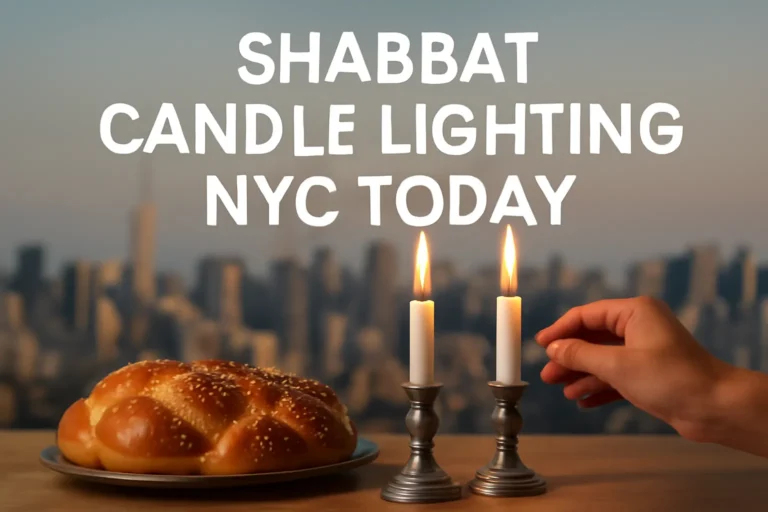
The symbolism is multifaceted. Light is a symbol of wisdom, learning, and guidance. In Jewish tradition, light can represent the Torah and the values a young person now has an obligation to study and uphold. The act of lighting often occurs after or alongside the Shabbat candles or a family candle set, and it creates a focal point that turns the day of the Bar Mitzvah into a communal celebration of growth. In short, this ritual is not just a ceremony; it is a statement about identity, memory, and responsibility.
For many families, the candle lighting ceremony Bar Mitzvah becomes a blueprint for how to honor loved ones who shaped the child’s life. The ritual can incorporate personal dedications to parents, grandparents, teachers, mentors, and friends, weaving individual stories into a collective moment. When planned with intention, the ceremony becomes a powerful bridge between childhood and adulthood, bounded by tradition yet open to personal meaning.
The exact format of the candle lighting ceremony for a Bar Mitzvah varies across communities and families, and this variety is a strength rather than a drawback. Some traditions emphasize a straightforward lighting sequence, while others interweave poetry, blessings, shared readings, or musical performances. Here are some common threads and notable variations you might encounter in a Bar Mitzvah candle lighting ritual:
Structure: A typical service might begin with a blessing, followed by the lighting of a set of candles, and a series of brief dedications. In other families, the lighting might be interwoven with readings from meaningful texts or personal messages to loved ones.
Number of candles: The candles can number anywhere from a small handful to a full constellation of 13 candles. In many communities, 13 candles symbolize the 13 attributes of mercy, described in Jewish liturgy, while other families choose to honor relatives with a smaller, personalized set of candles.
Format by tradition: Ashkenazi communities may emphasize a certain cadence of blessings and introspection, while Sephardic communities might integrate poetic excerpts or liturgical melodies in different languages and tunes. Chassidic circles may weave in exuberant song or storytelling as part of the moment of lighting.
Memory and honor candles: Some families include “memory candles” dedicated to ancestors who are not present, while others allocate candles to living loved ones who stand as role models or sources of inspiration.
Ashkenazi, Sephardi, and Other Traditions
The way the candles are chosen, lit, and introduced can reflect cultural heritage. For example:
Ashkenazi practice often features a sequence of candles lit for specific family members, with a moment of quiet reflection or a short blessing after each lighting.
Sephardi and Mizrahi traditions may incorporate melodic blessings, poetry in Ladino or Arabic-influenced phrases, or a longer, communal singing of psalms surrounding the lit candles.
Other modern approaches might place an emphasis on community service, values, or aspirations for the future, with each candle representing a virtue like kindness, responsibility, integrity, and scholarship.
No matter the lineage or modern preferences, the core purpose remains the same: to connect the boy’s growth to the people who shaped him and to lay a hopeful foundation for his adult obligations.
Planning a Candle Lighting Ceremony for a Bar Mitzvah: A Practical Guide
Planning the candle lighting ceremony known as the candle lighting ceremony Bar Mitzvah involves careful coordination among family, clergy, musicians, and the celebrant. The goal is to create a moment that feels authentic, spiritually meaningful, and logistically smooth. Below is a practical guide to help you craft a memorable ritual that aligns with your family’s values and traditions.
Setting the Tone
Intentional concept: Decide what the lighting moment will signify for your family—gratitude to mentors, memory of loved ones, or a pledge for personal growth.
Atmosphere: Consider music, lighting, seating, and acoustics. A candle-heavy setting can be intimate and reflective, while an open space with resonant acoustics can feel expansive and communal.
Leadership: Choose who will speak, bless, and light the candles. This may include clergy, parents, grandparents, siblings, or peers who have played a meaningful role in the honoree’s life.
Choosing Honorees and the Candle Arrangement
The heart of the Bar Mitzvah candle lighting ceremony is the people who are honored. Consider these approaches:
The text spoken during the candle lighting ceremony is as important as the lighting itself. You can use traditional blessings, or customize statements that reflect your family’s language and faith journey. Some families prepare a brief, resonant script such as:
“I light this candle in gratitude for the teachers who impart wisdom, the family who provides support, and the friends who shape my path. I light for the past, so that I may live with purpose in the present, and I light for a future filled with kindness, learning, and responsibility.”
You can invite each honoree to speak a sentence or two about what this moment means to them, or you can have a single guest speaker share a reflection that ties the candle lighting to the honoree’s shared values.
Step-by-step Planning Timeline
A thoughtful planning guide helps ensure the candle lighting ceremony for a Bar Mitzvah unfolds smoothly. The timeline below outlines a practical path from engagement to the moment of lighting and beyond.
12–9 Months Before
Consult with your rabbi or cantor to confirm acceptable formats and blessings for the candle lighting ceremony.
Decide on the overall concept and thematic tone (liturgical, personal, or a blend).
Draft a preliminary list of honorees and consider how many candles you want to light.
6–3 Months Before
Confirm venue logistics, including space for lighting, safety, and audio needs.
Choose and confirm the order of the candle lighting, including who lights which candle and in what sequence.
Draft the script and dialog for the lighting moment; collect readings or poems if you want to incorporate them.
1–2 Months Before
Meet with the rabbi or cantor to rehearse the candle lighting ceremony and confirm blessings.
Finalize the list of dedications and the wording of any personal messages.
Plan for accessibility and inclusion—consider options for hard-of-hearing guests, or translation needs if there are guests who prefer a different language.
2 Weeks Before
Distribute a program or script to participants so they know what to expect.
Confirm candles, matching set, extensions for safety, and any backup plan in case of weather or power issues.
Practice rehearsal with the honorees and speakers to ensure timing and sentiment stay on track.
Day of the Event
Arrive early to stage the candles, check the flame safety measures, and coordinate with the emcee or cantor.
Conduct a brief sound check for any microphones and a final read-through of the script.
Hold a moment of silence or a short blessing before lighting begins, if that aligns with your plan.
Logistics, Safety, and Accessibility
A well-run candle lighting ceremony respects safety and accessibility while maintaining sacral dignity. Consider these practical points:
Safety: Use sturdy candle holders, heat-resistant surfaces, and a clear line of sight for the congregation. Have a backup plan in case of wind or sudden needs to extinguish a flame.
Alternative lighting: If candles are not feasible due to space or safety concerns, consider electric candles or LED candles that simulate a warm glow without an open flame.
Accessibility: Provide large-print or braille materials for readings, offer translation or transliteration as needed, and ensure stage height and speaker positioning accommodate all guests.
Budget: Candles, holders, and décor can be modest or elaborate. Build a budget that covers candles, décor, signage, and any program kits for guests.
Environment: Reusable or recyclable décor, and a plan for energy use to be respectful to the venue and community standards.
A well-structured program helps attendees understand the candle lighting ceremony Bar Mitzvah moment and participate with intention. Here is a sample outline you can adapt to your tradition.
Brief blessing or meditation to set the tone for the lighting moment.
Lighting of the first candles, with the name and relationship of the honoree announced.
Reflections from each honoree or a short reading dedicated to the moment.
Lighting follows in a prearranged order until all candles are lit.
Concluding blessing or a short benediction, followed by the next segment of the ceremony or reception.
Checklist for the Day
Guardians for candles and lighting supplies on site.
Printed programs for guests and a backup copy for late arrivals.
Copious safety measures, including a small bucket of water or a fire extinguisher as a precaution.
Clear cue for lighting sequence and a designated timekeeper to maintain rhythm.
Photography and videography plan to capture the lighting moment without disrupting the flow.
What to Consider for Different Settings: In-Home, Synagogue, Outdoor
The setting can shape how the candle lighting ceremony is experienced. Here are considerations for common venues:
In-Home or private space: A warm, intimate environment may accommodate a smaller candle set and more personal readings. You can fold in family photos or heirlooms as part of the display.
Synagogue or community center: The ceremony may occur in a formal space with an established order of service. Work closely with the clergy to align the candle lighting with the synagogue’s protocols and safety rules.
Outdoor venues: Consider wind, weather, and heat sources. Use wind-stable holders or glass protectors and have a contingency plan for inclement weather or rain.
Hybrid or virtual participation: For relatives joining online, provide a parallel lighting moment or a video message so remote guests feel included even if they cannot attend in person.
Common Mistakes and How to Avoid Them
Even well-intentioned families may stumble into a few pitfalls. Here are common missteps in the candle lighting ceremony planning, along with practical fixes:
Rushing the moment: Build in enough time for reflection and speeches. Allow space between lighting and speeches to let the moment breathe.
Overloading with dedications: It’s beautiful to honor many people, but too many candles can feel cluttered. Limit to a meaningful, manageable number and plan for a concise sequence.
Inadequate safety planning: Always have a clear safety plan. If a venue prohibits open flames, switch to LED candles or use a safe, non-flammable display.
Unclear instructions for honorees: Provide a short script to each candle lighter so they know when to speak and how to cue the next step.
Conclusion and Resources
The Candle Lighting Ceremony Bar Mitzvah is more than a moment of lighting. It is a deliberate practice of memory, gratitude, and responsibility that can crystallize a young person’s sense of Jewish identity within the warmth and support of family and community. By attending to the meaning, honoring the diverse traditions that shape your family, and planning with care for safety, accessibility, and logistics, you can create a timeless experience that resonates for years to come.
If you are preparing for a Bar Mitzvah candle lighting ceremony, consider consulting with your rabbi or cantor about blessings, wording, and the number of candles most appropriate for your tradition. They can provide guidance on the exact customs of your community and help tailor the ritual to reflect your family’s values.
Additional Resources and Ideas
Books and articles on Jewish life-cycle rituals and liturgical forms that include candle-lighting motifs.
Music suggestions for the candle lighting moment, including nigunim, soulful melodies, or short instrumental interludes that suit the tone you want to set.
Sample language for dedication inscriptions or readings that can be personalized and printed in the program.
Ideas for combining the lighting moment with mitzvah projects or acts of community service to emphasize responsibility and generosity.