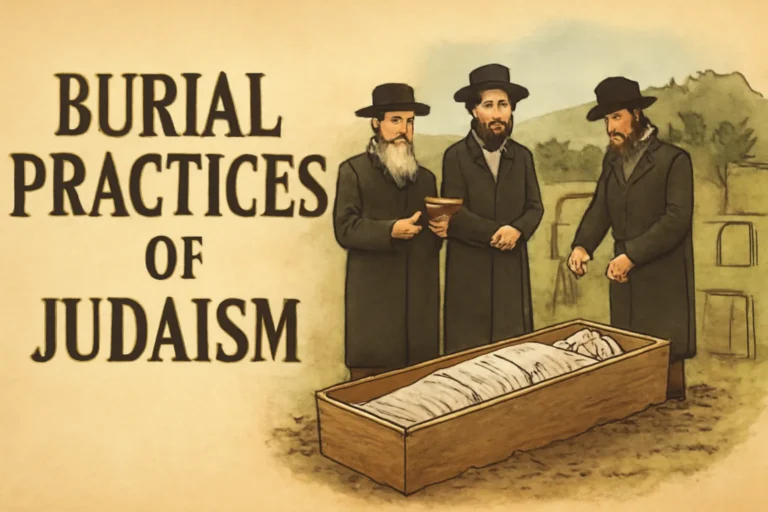
The Jewish graveside service, sometimes referred to as the levaya or funeral at the cemetery, marks the final communal step in honoring a life and a person’s transition from the world of the living to the world of memory. This ritual, which often follows a formal home-based or funeral‑home service, brings mourners together beside the grave to acknowledge loss, recite prayers, and witness the burial of the body. Across Jewish communities, this rite may be shaped by custom as well as by denominational practice, but several core elements—humility, respect for the deceased, and support for the bereaved—are shared widely. The aim of a grave‑side ceremony in Judaism is not merely to say goodbye, but to affirm life, community, and continuity, while complying with traditional norms about modesty, lament, and sacred time.
In this guide you will encounter a range of terminology and practices that reflect the diversity of Jewish life. You may hear phrases such as grave-side rites, burial rite, or the burial service, each pointing to the same essential moment: a deliberate, solemn, and communal act of laying the deceased to rest. The language used in a given community—whether Orthodox, Conservative, Reform, or another stream—will influence the precise order and wording, but the underlying purpose remains consistent: to honor the person who has died and to support the mourners as they begin the work of mourning and memory.
Core Traditions at the Graveside
While there are many regional and denominational flavors, several traditions appear repeatedly in a Jewish burial service or grave-side ceremony. Understanding these helps attendees participate with meaning and sensitivity.
Ritual Washing, Tacharah, and Tachrich
Before burial, the body is prepared through a ritual washing known as tahara, performed by members of a chevra kadisha (holy burial society) or, in some communities, by others trained in these rites. The deceased is then clothed in simple white shrouds and, for men, a prayer shawl-sized garment called a tallit may be placed around the shoulders. The aim is to emphasize equality in death and the rejection of wealth or status in burial. The act of tachrich—the process of placing the body in the shroud—is typically done with modest, quiet ceremony and underscores the Jewish conviction of simplicity and humility before God as one faces eternity.
Scriptural Readings and Prayers
During the grave-side service, families and mourners often hear selections from Psalms, prophecies, and liturgical poems that speak to human frailty, divine mercy, and the hope of restoration. A common pattern for the grave-side service includes readings from the Psalms and prayers such as El Malei Rachamim (Glory of God, the Prayer for the Soul of the Departed) and, in many communities, Shemoneh Esrei or other liturgical pieces. These readings help to frame the moment as both sacred and consoling. The exact prayers can vary by tradition, so it is helpful to ask the officiant which passages will be used and whether mourners are expected to participate aloud or silently.
A central element of the grand funeral rite is the Mourner’s Kaddish, traditionally recited in the presence of a minyan (a quorum of ten adult Jews). The Kaddish is not about death per se but about sanctifying God’s name and affirming life and continuity in the face of loss. In many communities, the mourners recite Kaddish at the graveside, sometimes with the assistance of a sibling, spouse, child, or other relatives who form the minyan. If a minyan is not readily available at the burial site, the officiant may advise the mourners on how to proceed or arrange a nearby alternate location where a minyan can be assembled. The presence of a minyan at the graveside is often a source of comfort and communal solidarity for those who are grieving.
In many traditions, mourners perform keriah—a symbolic tearing of a garment or a sleeve to express grief—at the time of burial or immediately prior to it. This act is a visible sign of mourning, a personal lament, and a tangible connection to a long line of mourners who have observed the same practice. Some families have a discreet moment of keriah within the car or at the graveside, while others may incorporate it as part of the funeral ritual itself. The act is optional and guided by community custom and the deceased’s family’s wishes.
In grave-side rites, the earth‑to‑earth moment—placing soil in the grave—remains a powerful and enduring symbol of the cycle of life and the earth returning to the earth. The leader or family members may recite a short blessing or traditional affirmation as the casket or body is lowered, and the mourners may sprinkle a small amount of soil on the casket as a sign of closure and reverence. Some communities practice the custom of returning a handful of soil from the local earth to the grave; others may simply observe the moment with silence and prayer. The precise gesture can vary, but the underlying sense of humility before God and the earth endures across sects and neighborhoods.
Attending a Jewish burial service or grave-side ceremony requires sensitivity, mindfulness, and respect for the mourners, the deceased, and the sanctity of the moment. Below are practical guidelines that help attendees participate in a way that honors tradition and supports the bereaved.
Arrive on time. Punctuality respects the ritual’s structure and minimizes disruption to the service.
Dress modestly and conservatively. Dark, muted tones are customary. Avoid bright prints and flashy accessories to maintain the solemn tone.
Respect silence and reverence. The graveside is not a place for chatter or applause. Speak softly and listen attentively to prayers and readings.
Follow the lead of the officiant. The officiant will guide the rhythm of readings, Kaddish, and other rites. If you are unsure about a gesture, ask politely or observe others’ actions.
Be mindful of work for the ritual space. Do not lean on headstones or touch monuments unnecessarily; treat the site with care and reverence.
Photography and video. Always ask permission before taking pictures or recording. If granted, keep devices on silent and avoid capturing mourners in moments of private prayer or emotion.
Minyan considerations. If you are asked to help form a minyan, gather with others in a way that does not distract from the service. If you are not comfortable speaking or participating, you may listen and offer silent support.
Maintain hygiene and credentials. Refrain from bringing food or drink into the cemetery unless permitted, and follow cemetery rules regarding seating, strollers, or pets.
Respect grieving processes. Grief can reveal a spectrum of emotions. Be supportive, patient, and present; avoid unsolicited advice or clichés.
Post-service conduct. After the graveside rite, follow the family’s lead about continuing services, a gathering at a home or synagogue, or an immediate departure. Honor any directives about sharing contact information or condolences.
Planning a Jewish Graveside Service: Before, During, and After
Planning a grave-side service requires coordination among families, clergy, funeral directors, and cemetery staff. Thoughtful preparation can ease anxiety and ensure that the rites reflect the family’s values while aligning with community practice. The following sections outline a practical planning framework.
Before the Graveside Service: Coordination and Timelines
Consult with a rabbi or cantor. Clarify which prayers, readings, and customs will frame the grave-side rite, and discuss whether there will be a formal eulogy or a brief statement from family members.
Confirm the location and logistics. Ensure the cemetery accepts the arranged burial method (e.g., casketed remains, cremation considerations where permitted) and confirm the exact time for the levaya.
Engage the Chevra Kadisha as needed. If taharah and tachrich aren’t already scheduled, coordinate with the burial society so rites occur with proper reverence.
Prepare for minyan needs. If a minyan is required for Kaddish, arrange for nearby mourners or a nearby location to assemble the quorum, or discuss options with the officiant for alternative arrangements.
Provide clear guidance to attendees. Share drive directions, parking instructions, and dress code with guests, and note any special instructions on lent or restrictions, if relevant to the tradition observed.
During the Graveside Service: Conduct and Flow
Honor the deceased with simple ceremony. The gravestone or site should be approached with humility; avoid ostentation in the way the rite is performed.
Observe the sequence. Typical order often includes a short opening blessing, psalms or readings, the keriah, a possible prayer, the lowering of the casket, scattering of earth, and the concluding blessing or Kaddish if a minyan is present.
Respect the attire of mourners. Offer quiet support and space to those who are in the process of mourning; some may opt for a private moment during the service.
Be mindful of children. If children attend, explain simply what is happening and keep the atmosphere calm so they are not overwhelmed.
Share condolences appropriately. If participation includes family or clergy addressing mourners, keep comments thoughtful, brief, and focused on remembrance rather than critique or comparison.
After the Graveside Service: Following Up
Offer ongoing support. Grieving is a long process; follow up with a card, a call, or an invitation to rituals such as shiva or other memorial observances as appropriate.
Coordinate meals and gatherings. In many communities, meals and gathering spaces are arranged to support those in mourning; verify what is expected and where to go next.
Attend related mourning periods. If the family observes shiva, attend, when possible, to show solidarity and provide practical help with errands or meals.
Preserve memory respectfully. If the family has specific traditions around memorializing the deceased (e.g., planting trees, establishing a fund, or donating to a cause in the name of the deceased), participate or contribute in the way they request.
Variations by Community: How the Graveside Service Differs
Judaism encompasses a spectrum of practices, and the grave-side rites can differ significantly among Orthodox, Conservative, Reform, and other streams. The goal of these differences is not to diminish the sanctity of the moment but to reflect theological beliefs, communal norms, and practical considerations. Here are some common variations you might encounter:
Orthodox communities tend to emphasize minimalism and solemnity, with strict adherence to tradition. The tacharah and tachrich rites are central, and Kaddish is recited with a minyan. The order of prayers may be fixed, and there is often a heavier emphasis on the sanctity of the site and the removal of any distractions.
Conservative communities often balance tradition with accessibility. The grave-side service may include a blend of traditional liturgy and modern readings, and there may be more opportunity for family members to participate in readings or prayers.
Reform communities might place greater emphasis on inclusivity and personal expressions of mourning. The languages of the prayers may include English translations, and there might be a broader range of readings beyond traditional psalms. Some Reform communities may opt for the Mourner’s Kaddish with a smaller minyan or in a more informal setting.
Interfaith or mixed faith contexts require sensitivity and coordination with the officiant. Respect for Jewish customs and for the beliefs of all present is essential, and some aspects of ritual may be adapted in accordance with the family’s wishes and the cemetery’s policies.
Practical Checklists for Planning and Attending
Whether you are planning a burial rite for a loved one or attending a grave-side ceremony, these practical lists can help you prepare and participate with confidence.
Confirm the timing and place of the graveside service; ensure all parties know where to go upon arrival.
Clarify the expected ritual components with the officiant: prayers, readings, keriah, and the moment of earth returning to earth.
Coordinate the involvement of mourners in Kaddish and other rites; ensure there is a plan for a minyan or an alternative arrangement.
Provide family guidance on whether the tacharah and tachrich rites will be performed and who will participate.
Communicate any cemetery-specific rules (smoking restrictions, parking, photography, or the presence of special equipment).
Arrange for post-service support, including meals, shiva visits, and memorial contributions, if intended to be part of the mourning practice.
For Attendees and Guests
Bring a respectful attitude and readiness to participate or remain silent as appropriate to your tradition and the family’s wishes.
Wear modest, dark clothing; avoid loud jewelry and bright colors that might distract from the service.
Ask questions if you are unsure about a gesture (such as keriah) or the timing of a prayer; most officiants welcome thoughtful questions from guests.
Offer practical help to the family after the service (shopping for groceries, coordinating rides, or assisting with logistics).
Avoid bringing children who may not be prepared for the solemnity of the graveside moment unless the family has indicated that it is appropriate.
Common Scenarios and How to Respond
In the life of a community, you may encounter variants such as late-arriving family members, changes due to weather, or scheduling conflicts between the funeral home and cemetery. Here are some practical scenarios and suggested responses that align with respectful conduct at a Jewish burial service.
Weather-related delays. If rain or heat affects the planned graveside rite, allow the officiant to determine the safest and most reverent alternative (for example, moving the service to a sheltered area or rescheduling minor components).
Family member late arrivals. Greet latecomers with courtesy, allow them to join quietly if possible, and avoid disrupting the ongoing ritual. The officiant can determine the best way to integrate them without interrupting the rite.
Changes in the plan. If the family asks to modify readings or the order due to personal significance, be adaptable and supportive; the goal is to honor their wishes within communal traditions.
Public condolences. Provide a brief, appropriate expression of sympathy and direct guests to the next gathering or recommended condolence location, if given by the family.
Glossary of Key Terms for Quick Reference
The following terms are commonly used in discussions of Jewish graveside services. Understanding them can help you follow along more easily and participate with greater confidence.
Levaya — the act of accompanying the deceased to the grave; often used interchangeably with «funeral.»
Chevra Kadisha — a sacred burial society that performs ritual washing (tahara) and shrouding (tachrich) with utmost respect for the deceased.
Tahara — the ritual washing of the body prior to burial.
tachrich — the act of shrouding the deceased for burial.
Tallit — a prayer shawl; in some traditions, placed on the deceased during the burial process.
Keriah — tearing of the garment as a visible sign of mourning.
Kaddish — the prayer praising God’s name, recited by mourners, typically with a minyan.
Minyan — a quorum of ten adults required for certain communal prayers.
El Malei Rachamim — prayer for the souls of the departed; commonly recited at funerals and graveside services.
Levaya service — another term used to describe the funeral rite, especially as it takes place at the cemetery.
Final Thoughts: Respect, Memory, and Community
In the end, a Jewish graveside service is not merely about saying goodbye. It is a moment of community, memory, and continuity. It is about standing with those who mourn, acknowledging the finality of death, and upholding the dignity of the deceased while supporting the living in their journey through grief. The ritual’s rituals—tahara, tachrich, keriah, earth returning to earth, and the Kaddish—are anchored in a long pedigree of Jewish practice, yet they remain adaptable to the needs and values of current generations.
If you are planning or attending a grave-side rite, approach the moment with humility and sensitivity. Embrace the tradition that honors the dead and comforts the living, and remember that your presence—quiet, respectful, and engaged—forms part of the sacred fabric of the ceremony. May those who mourn be comforted, and may the memory of the deceased be a blessing in the days to come.