Shabbat: Jewish Day of Rest and Spiritual Reflection
Shabbat, also known as the Sabbath, is a cornerstone of Jewish religious life, observed weekly from Friday evening to Saturday night. It commemorates God’s day of rest after the creation of the world, as described in the Book of Genesis. This sacred day offers Jews an opportunity to step away from everyday work and focus on spiritual renewal, family, community, and prayer.
Throughout Shabbat, Jews engage in special rituals, prayers, and festive meals that foster a sense of peace and holiness. It is a time to reflect on divine creation, reconnect with faith, and enjoy restful respite from the demands of daily life. The observance of Shabbat is a central mitzvah (commandment) in Judaism, emphasizing the importance of spiritual elevation and communal harmony. Whether celebrated with traditional prayers, lighting candles, or sharing festive meals, Shabbat remains a profound expression of Jewish identity and devotion.
📊Profile
Hebrew name
Shabbat (שבת) – transliteration: Shabbat
Date in Hebrew calendar
7th day of the Hebrew month of Tishrei (weekly)
Date in Gregorian calendar
Approximately every Friday evening to Saturday night
Duration
Approximately 25 hours
Type
Biblical and Rabbinical
Category
Weekly Day of Rest
Torah portion
Varies weekly, related to the weekly Torah reading
Key mitzvot
Lighting candles, reciting Kiddush, refraining from work, sharing festive meals
Symbolic foods
Challah bread, wine (Kiddush), special Shabbat dishes
Greeting/phrase used
Shabbat Shalom
📜History and Significance
Origins and Biblical Significance
Shabbat originates from the biblical account of creation in Genesis, where God rests on the seventh day after creating the heavens and the earth. This divine act established the pattern for human observance, emphasizing rest, sanctity, and spiritual reflection. The commandment to observe Shabbat is one of the Ten Commandments, underscoring its fundamental role in Jewish law and tradition.
Historical Development
Throughout history, Shabbat has been a central element of Jewish life, serving as a weekly reminder of divine covenant and identity. During the Second Temple period, communal prayers and rituals associated with Shabbat became more formalized. Despite periods of persecution and exile, the observance persisted, adapting to various cultural contexts while maintaining its core spiritual significance.
Shabbat has historically provided a sanctuary of peace amid external chaos, fostering community cohesion and spiritual growth. It has inspired countless Jewish writings, laws, and customs that reinforce its importance. Today, Shabbat continues to be a vital expression of Jewish faith, offering a weekly opportunity for renewal, reflection, and connection with God and community.
🕯️Traditions & Customs
Lighting Candles and Blessings
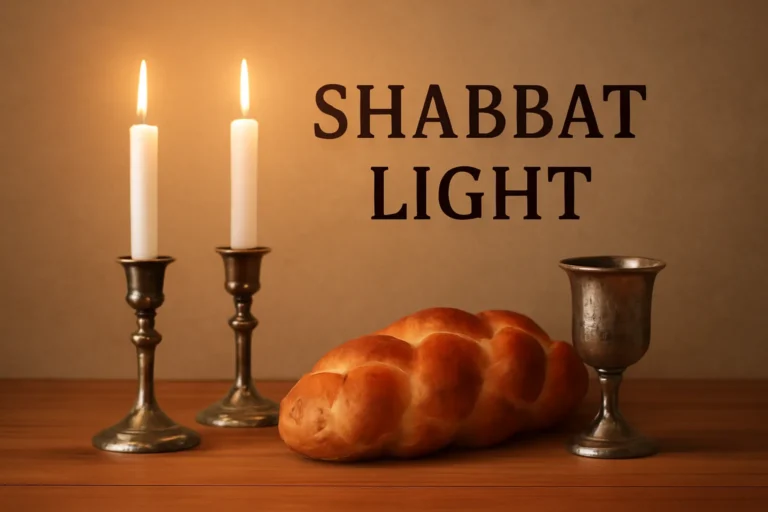
Shabbat begins with the lighting of candles, usually by the woman of the household, accompanied by a blessing to usher in the holy day. This act symbolizes bringing light and peace into the home, marking the transition from weekday to sacred time.
Kiddush and Festive Meals
On Friday night and Saturday lunch, families recite the Kiddush prayer over wine to sanctify the day. Traditional meals often include challah bread, which is covered before blessing, and a variety of special dishes prepared in honor of Shabbat. In Ashkenazi communities, dishes like cholent are popular, while Sephardic families may enjoy rice and fish specialties.
Prayer and Rest
Shabbat includes attending synagogue services, where special prayers and Torah readings are performed. Rest from work is observed by refraining from creative activities, driving, and using electronic devices, allowing for spiritual reflection and family bonding. Some communities also hold study sessions or festive singing.
Differences in Customs
While core customs are shared, there are variations between Ashkenazi and Sephardic traditions. For example, Sephardic communities often have different melodies for prayers and may incorporate unique foods and rituals. Nonetheless, the essence of Shabbat as a day of peace and spiritual renewal remains universal across Jewish communities.