Shabbat light: A Practical Guide to Candle Lighting and Blessings
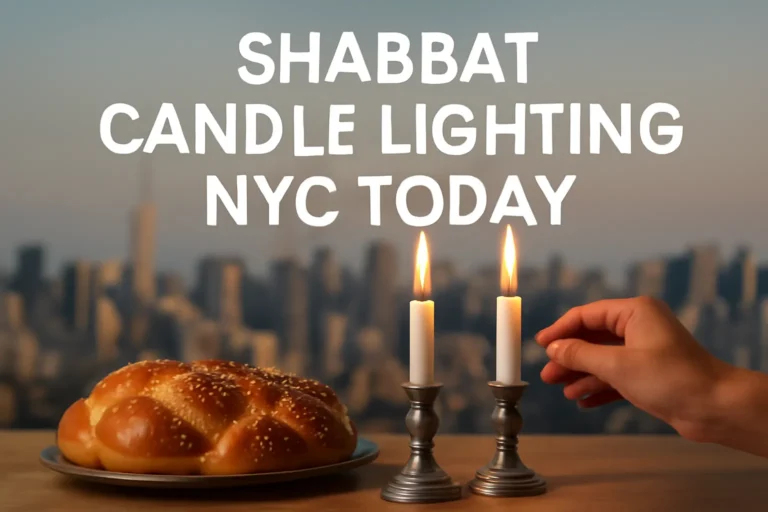
Shabbat light is more than a ritual liturgy; it is a daily doorway into the rhythms of Friday evening and the sanctity of the Sabbath. In many homes, the sight of two candles flickering at the table signals a transition from weekday time to a pause that honors rest, reflection, and the beauty of creation. This article invites you to explore the practical steps, the blessings, the variations across communities, and the gentle routines that make Shabbos lighting both meaningful and manageable. Whether you are new to lighting candles or seeking to deepen a long-standing practice, you will find here a clear, structured guide that emphasizes safety, intention, and community.
The term Shabbat light has many synonyms and shades of meaning. You may hear Shabbos lights, Sabbath candles, or ner shel Shabbat in different contexts. No matter which phrase you prefer, the essential idea remains the same: to usher in a period of rest, to create a space for family and guests, and to set an intention of peace and gratitude as Friday gives way to Shabbat.
Foundation and purpose: Why light candles for Shabbat?
The practice of lighting the Shabbat candles emerges from a long-standing Jewish custom that emphasizes bringing light into a home as a signal of sanctity. The initial intention is practical and symbolic: to illuminate the home, to honor the day’s sanctity, and to invite a sense of harmony. In many households, two candles are lit, but others light more lights to create a brighter ambience. The number you choose can be part of your tradition or a flexible personal decision.
From a symbolic perspective, the two candles often stand for the dual command to remember and to observe, to honor the past and to dwell in the present moment. Yet the spiritual aim is not about quantity but about presence: to acknowledge a boundary between ordinary time and sacred time, and to invite gratitude for the gift of rest.
Consider also the historical and cultural layers of Shabbat candle lighting: in many Jewish communities, this moment is a family ritual that fosters conversation, teaches children about tradition, and provides a shared experience that transcends words. The blessing you recite, the order of the rituals, and the timing can vary, but the intent remains universal: to welcome Shabbat with intention, to welcome peace into the home, and to welcome the possibility of rest and connection.
Choosing the right candles and setting
The practical side of Shabbat light begins with the choice of materials, the placement of candleholders, and the safety considerations that keep the ritual meaningful without risk.
Types of candles
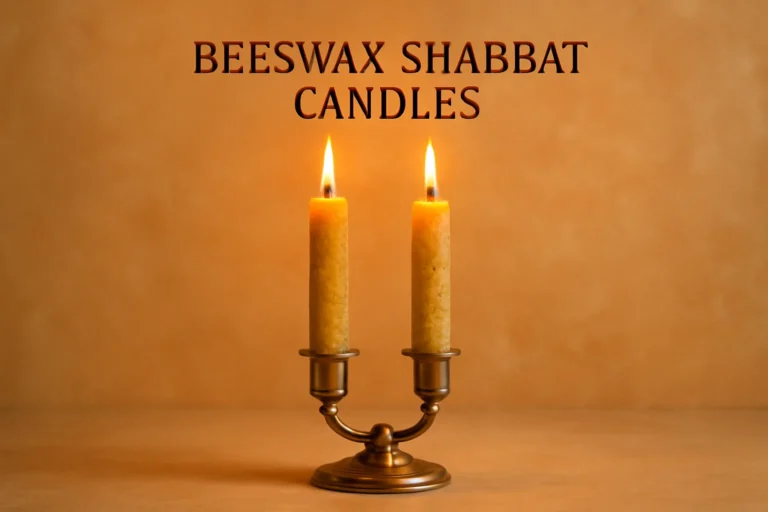
Beeswax candles burn cleanly with a pleasant aroma and are a traditional favorite in many communities.
Pure paraffin candles are inexpensive and widely available, though some prefer natural materials for environmental reasons.
Soy or other natural blends offer a clean burn and a longer, steadier flame for quiet evenings.
In emergency or travel scenarios, taper candles or small votives can be a practical alternative.
Candleholders and placement
Use a stable candle holder with a broad base to prevent tipping.
Place the candles on a non-flammable surface, away from curtains, paper, and heat-sensitive items.
Many families choose a dedicated Shabbat brazier or decorative tray to create a focal point on the table.
Safety basics
Never leave burning candles unattended; keep children and pets at a safe distance.
Keep a small vessel of water or a quick-extinguishing tool nearby as a precaution.
Ensure proper ventilation so the room stays comfortable without smoke buildup.
The choice of lighting arrangements is flexible. Some families arrange a simple pair of candles on a shelf; others set a more elaborate arrangement that becomes a centerpiece for the Friday night meal. The key is to create a sense of anticipation and reverence that aligns with your household rhythm.
Blessings and the order of ritual
The Hazzan or the head of the household may lead the blessings, but the essential idea is that anyone lighting the ner shel Shabbat should say the blessing aloud and with intention.
The standard blessing for lighting Shabbat candles
The traditional blessing is often recited by the person lighting the candles. The exact words are:
In transliteration this can be written as: Baruch Atah Adonai Eloheinu Melech ha’olam, asher kid’shanu b’mitzvotav v’tzivanu lehadlik ner shel Shabbat. Some people also include a personal whisper of gratitude after lighting, or a brief moment of quiet reflection before reciting the blessing.
Optional blessings and additions
The Shehecheyanu blessing on the first candle lighting of a season or on entering Shabbat after a long interval is often recited as a separate blessing: Baruch Atah Adonai, Eloheinu Melech ha’olam, shehecheyanu v’kiy’manu v’higi’anu lazman hazeh.
Some households recite the bracha al haner shel Shabbat only once, while others choose to recite it aloud for each candle. The practice of repetition varies by community tradition.
In certain Sephardic or Mizrahi traditions, additional prayers or songs accompany the lighting, but the core blessing remains the same: heralding the entrance of Shabbat with light and gratitude.
Timing: When to light and how long to wait before performing work
The exact moment to light the Shabbat candles can vary by locale and custom, but several practical patterns are common across many homes.
Light before Shabbat begins by lighting the candles some time before sunset, so that the home glows with warm light as the day transitions.
In many communities, 18 minutes before sunset is a standard guideline, though this can shift with the season and local custom. The aim is to create a transition window before the city lights dim and the evening begins.
Some traditions light exactly at tzait ha-chama (space between sunset and nightfall) or at the beginning of Shabbat based on the time of year and the location’s calendar.
After lighting, many families wait a moment or two before saying the blessings. This pause can help cultivate a sense of reverence, and it gives everyone at the table time to acknowledge the upcoming Shabbat.
For those practicing in communities where the separation between Friday afternoon and Friday evening is pronounced, the transition window can be a cherished part of the routine. The emphasis is not solely on timing but on the intention to welcome rest, family, and spiritual contemplation.
Bringing the ritual into family life: steps for beginners
If you are just starting to practice Shabbat lighting, a simple, repeatable routine can help you settle into a meaningful tradition.
Prepare in advance: have candles, matches or a lighter, a safe holder, and a tray on the table or a designated shelf ready ahead of time.
Set the scene: dim the lights, arrange the candles in their holders, and ensure the space is comfortable and inviting.
Pause and breathe: take a moment to reflect on the coming Shabbat—what you hope to rest from, and what you hope to create within your home.
Light: carefully strike the match or lighter and ignite the wicks, keeping a safe distance and keeping the flame steady.
Recite the blessing: pronouncing the blessing aloud and clearly, then perhaps a moment of private gratitude or a family toast.
Immersion in the moment: after the blessing, turn toward the candles and appreciate the glow, allowing it to signal a pause in everyday activity.
Throughout, consider the tone you wish to set for the evening. Some families choose to sing a short song, recite a psalm, or share a question of gratitude around the table. The important thing is consistency: regularity helps children learn the rhythm of the week and fosters a sense of sacred time.
What to do after lighting: rituals, meals, and peaceful evenings
Lighting the candles is often the opening chapter of Shabbat that unfolds into family meals, study, prayer, and cherished conversations. The Shabbat light fades into the background of a peaceful scene that invites hospitality and rest.
Family and guest rituals
Sharing a blessing or a toast to the week that has passed and the week to come.
Lighting additional candles for guests who join the table or for special occasions within the Shabbat period.
Having a short moment of reading or reflection that centers on gratitude or peace.
Meal time and atmosphere
Use a table arrangement that echoes the lighting, with the candles as a focal point for conversation.
Play soft music or read poetry that complements the mood of Shabbat, while ensuring that the lighting remains a natural centerpiece.
Incorporate a brief discussion about the week’s blessings or challenges, linking the light to a sense of hope and rest.
The peaceful atmosphere generated by Shabbat light often carries into prayer, songs, and study. The glow of the candles can help participants feel rooted in tradition while remaining open to new conversations and insights.
Variations across communities: how different traditions light the night
Jewish practice is richly diverse. While the core act of lighting candles remains a common thread, communities differ in language, timing, blessing phrasing, and accompanying customs. Here are some snapshots of notable variations.
Ashkenazi practice
In many Ashkenazi homes, the emphasis is on two candles lit by the woman of the house, with the blessing recited before lighting. The tone tends to be straightforward, and the family may sing or recite a simple psalm after the blessing.
Sephardi and Mizrahi traditions
Sephardic and Mizrahi communities often incorporate unique melodies and phrasing, with reverence for the same blessing but sometimes including additional prayers or songs. Some families light more candles, or place them in a decorative arrangement that reflects their cultural heritage.
Hasidic customs
Hasidic practice often emphasizes the spiritual dimension of light as a conduit for holiness. The candles may be placed in a specific way to align with a family’s spiritual focus for Shabbat, and songs or liturgical poetry may accompany the lighting.
In contemporary homes, the ritual may be shared by all adults, with the family collaboratively engaging in lighting, blessing, and the optional Shehecheyanu if the moment qualifies. The goal remains the same: to honor Shabbat with intention, hospitality, and warmth.
Common questions and practical tips
Whether you light for Friday night only or incorporate occasional candle-lighting for other occasions, you may encounter practical questions. Here are some frequently asked questions and straightforward answers.
Q: Can I light Shabbat candles if I am alone or traveling?
Yes. The blessing still applies in a solo setting, and you can adapt the ritual to a compact, portable form. If you are away from home, light a small set of candles in a safe location, recite the blessing, and allow the moment to carry you into Shabbat wherever you are.
Q: Should I recite the blessing if I light more than two candles?
If your family uses more than two candles, you may recite the blessing once for the act of lighting and then add additional lights as desired. Some households recite an additional blessing for every new set of lights, while others maintain a single blessing for the entire lighting session. The choice is guided by local custom and personal preference.
Q: What if there is no one to light candles due to health or other reasons?
In such cases, a solitary lighting or alternative acts of remembrance can be meaningful. Some communities permit lighting in absentia or having a guest perform the lighting on behalf of the household. The essential aim remains to acknowledge Shabbat with intention and a moment of rest.
Q: How can I make the lighting more meaningful for children?
Involve children in the process: let them help arrange the candles, light the matches, or hold the prayer book. Narrate a simple explanation of why we light candles on Friday evening, and invite them to share one thing they are grateful for as Shabbat begins.
A practical motto for families is consistency over perfection. The routine may evolve, but the sense of transition, peace, and connection is the enduring goal.
Safety, sustainability, and mindful practice
The safety and comfort of your home should always accompany any ritual involving flames. The same candlelight that creates warmth can become unsafe if not managed with care.
Keep candles upright and away from drafts that could cause uneven burning or tipping.
Maintain distance between open flames and flammable objects.
Use non-flammable surfaces for candle placement, and ensure there is a plan to extinguish flames safely if needed.
When possible, choose natural materials like beeswax or soy for a cleaner burn and improved air quality.
Sustainability can also be woven into the practice. Consider reusing candleholders, choosing long-burning candles, and recycling or repurposing any packaging. You can also integrate mindfulness about energy use and the environment into your Friday evening conversations, turning the ritual into a small act of stewardship.
Resources and further exploration
If you wish to expand your knowledge and enrich your practice of Shabbat candle lighting, a range of resources—from prayer books to instructional videos to community classes—can deepen your understanding. Here are a few ideas to guide your exploration.
Consult a local synagogue or Jewish community center for guidance on local timing, lighting customs, and family education materials.
Explore a beginner’s siddur or a guide to the blessings for Shabbat candles to become more confident with the exact phrasing and translation.
Attend a Friday night service that includes the candle-lighting ritual, observing how different families incorporate the practice into their worship and meals.
Read about the historical roots of Shabbat candles in Jewish tradition to gain a deeper appreciation of the ritual’s continuity across generations.
Remember, the practice of Shabbos lighting is not a static set of steps but a living ritual that grows with your home and your community. The most important element is the intent behind the candles: to welcome a time of rest, to foster hospitality, to cultivate gratitude, and to create a sanctuary of peace even in the bustle of modern life.
Conclusion: embracing the warmth of Shabbat light
The simple act of lighting candles on Friday evening can transform a room, a family conversation, and a sense of time itself. Through Shabbat light, you invite a weekly pause that nourishes the body, refreshes the spirit, and anchors daily life in a tradition that has sustained countless generations. Whether you call it Shabbos lights, Sabbath candles, or ner shel Shabbat, the core message remains universal: the flame is a sign of welcome, a signal of pause, and a reminder to choose peace over haste, rest over rush, and gratitude over grievance. May your candle lighting bring warmth to your home, clarity to your thoughts, and light to your Friday nights.
If you would like to customize this guide further for a particular family tradition, community custom, or liturgical style, share your preferences and I can tailor sections to reflect your unique practice while preserving the essential structure of a practical, thoughtful, and reverent Shabbos lighting guide.