Overview: Shabbat Times NYC and the Rhythm of Shabbos in the City
In Shabbat times NYC are not just numbers on a calendar; they are a living map that guides families, students, and visitors through a sacred rhythm in a metropolis famous for its energy, diversity, and fast pace. Whether you are a longtime New Yorker or an out-of-town guest exploring the city’s spiritual landscape, understanding Shabbat candle lighting NYC times, the progression of davening schedules, and the subtle seasonal shifts can transform a weekend into a meaningful observance.
The way Shabbos zmanim NYC are calculated depends on several factors: geographic location within the city, the season, the custom of the community you belong to, and the authority you follow for halachic timings. In practice, most people rely on local synagogues, Jewish calendars, and online zmanim calculators to align candle lighting with sunset, and to plan the sequence of Friday night services, Kabbalat Shabbat, evening Ma’ariv, and the next day’s Torah reading. This article surveys the landscape of Shabbat times NYC, offers practical guidance for planning, and explains how to navigate the city’s neighborhoods to find a schedule that suits your practice.
Candle Lighting Times in NYC: How to Know When Shabbat Begins
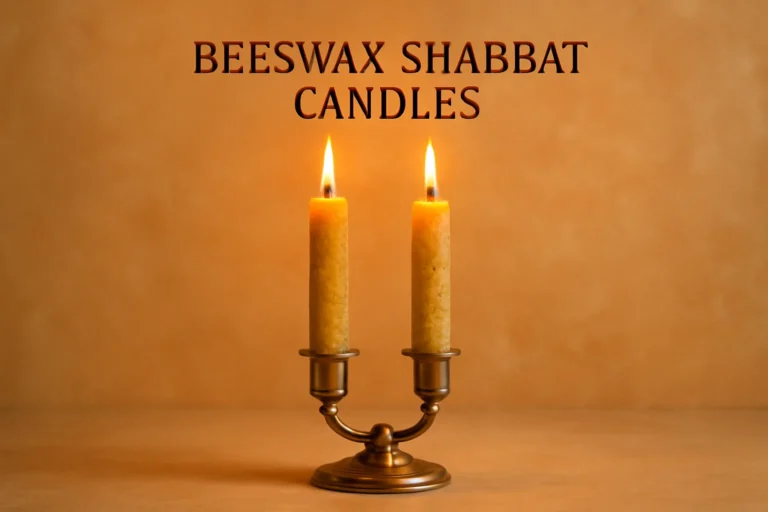
The moment that signals the transition from weekday to Shabbat is the kindling of the candle, yet the exact moment for candle lighting NYC is not universal. In most communities, Shabbat candle lighting occurs roughly 18 minutes before sunset, a guideline that has become a practical standard across many parts of the United States. The precise time, however, shifts with the date and the city’s latitude, and some communities observe candle lighting as a fixed ritual practice rather than a fixed clock time.
In practice, you will encounter several patterns around candle lighting, and you may hear different phrases used by neighbors and synagogues:
18 minutes before sunset is a common rule of thumb in many NYC synagogues and households. This window gives enough time to light, recite the blessing, and welcome Shabbat with a moment of quiet before the Friday night songs begin.
Before tzeit ha’kakham (the appearance of nightfall according to some communities) is another traditional frame used by certain communities. It marks the end of twilight and the formal onset of Shabbat.
Neighborhood-specific variations mean that in some parts of the city, candle lighting in winter can be earlier in the afternoon, while in summer it may come later in the day to align with sunset.
Public calendars and synagogue calendars will clearly print the exact candle lighting time for each Friday. It’s common to see the time stated as “Candle lighting: 6:12 PM” on a given date for a specific neighborhood, with a note about ma’ariv timing on Shabbat eve.
Because New York City covers a large geographic area and includes several boroughs with different sunset patterns, it is wise to consult a reliable local source for each particular Friday. Tools such as Zmanim calendars, synagogue bulletins, or apps often list not only candle lighting, but also the Shabbat start and the end-of-Shabbat time (havdalah) for each date.
For families traveling on Shabbat in NYC, a practical approach is to select a neighborhood-wide reference time for candle lighting and then adjust if you visit a synagogue with a different practice. If you are staying in a hotel or visiting relatives, ask ahead about the preferred candle lighting time and whether the host follows Ashkenazi or Sabbath customs, since some differences exist in the customary times for lighting and reciting blessings.
The Shabbat davening schedule in NYC is a tapestry sewn from tradition, community customs, and the practical realities of city life. In broad terms, a typical Friday night sequence includes Kabbalat Shabbat, followed by Ma’ariv, then a transition into Shabbat morning. On Shabbat itself, the morning services begin at various times depending on the synagogue and the season, with options ranging from early to late start times. After services, many congregations offer a Kiddush or lunch, and in some neighborhoods there may be shared texts or classes in the afternoon.
In Shabbat times NYC, the Friday night davening often reflects the candle lighting tradition, so many congregations begin their Kabbalat Shabbat within minutes after lighting candles. The Shabbat Ma’ariv service may occur promptly after candle lighting or slightly later, depending on custom.
On Shabbat morning, the schedule tends to follow one of several patterns:
Early minyan in Manhattan or Brooklyn: services can start as early as 8:00 or 8:30 AM for those who want a longer day with earlier Torah reading and more time for study and meals.
Standard minyan: many neighborhoods run starts around 9:30 AM to 10:30 AM, aligning with families that include children and those who prefer a more relaxed pace after a longer Friday night.
Late minyan or “Yeshiva style” sessions: some communities offer a later option around 11:00 AM or 11:30 AM, providing flexibility for late sleepers or travelers who need more time in the morning.
The exact times for Shabbat morning davening NYC vary not only by synagogue but by the day’s season and the Torah reading schedule. In general, you can expect:
Torah reading typically follows the morning prayers, with the portion read aloud and discussed in synagogue berakhot and comments.
Musaf is a central part of the Shabbat morning service, with additional prayers and kedushah that reflect the sanctity of the day.
Musical and nusach variations are common; some communities use a melodic style focused on ancient or modern tunes, while others may emphasize line-by-line learning and teaching moments.
Lunch offerings after services are common in many neighborhoods, featuring opportunities for social connection, study, and seudat Shabbat (the festive meal).
For visitors, it is helpful to know that the energy of the Friday night and Saturday morning services in the city can be intense and uplifting, often accompanied by chazanim (cantors) with strong voices and lively nusach. At the same time, the city welcomes quiet study sessions, weekday-level learning opportunities, and family-friendly services in many synagogues.
Fridays and Saturdays: A Typical Timeline in NYC
Framings of Friday: candle lighting, evening prayers, and a transition into Shabbat’s peace.
Friday night: Kabbalat Shabbat, Ma’ariv, and sometimes a hot meal or seudat zibur (community meal).
Saturday morning: Shacharit, Torah reading, Musaf, and sometimes a Shabbat lunch or study session.
Shabbat afternoon: Seudah Shabbat or learning, and Mincha before Shabbat ends.
Shabbat ending: Havdalah with candle, spice, and wine, marking the transition back to weekday rhythms.
Neighborhood Variations in Shabbat Schedules Across NYC
New York City’s religious landscape includes a wide array of communities, each with its own approach to Shabbat times NYC. While the basic structure above applies broadly, the city’s neighborhoods offer distinct flavors. This section highlights some common patterns you might encounter as you travel through the boroughs.
Manhattan: A Dense and Diverse Spectrum
Upper West Side: Often features older, established synagogues with long-standing customs. Candle lighting is typically posted in weekly bulletins, and Friday night services begin relatively early or on the hour after sunset, depending on the synagogue.
Midtown and Downtown: A mix of traditional and modern Orthodox communities, with some synagogues presenting Kabbalat Shabbat with a strong musical component and a lively Friday atmosphere. Shabbat morning times may be tuned to accommodate professionals who work near the city’s business hubs.
Chabad houses throughout Manhattan may offer inclusive Friday programs and accessible Shabbat morning services that welcome visitors with practical guidance for the city’s busier days.
Brooklyn: A Rich Tapestry of Communities
Central Brooklyn often features family-oriented congregations with a warm Friday night and Saturday morning ritual rhythm. Times can be coordinated to accommodate school schedules and weekend family life.
Williamsburg and Borough Park illustrate a spectrum from centuries-old yeshiva culture to contemporary modern Orthodox communities, each with its own timetable for candles and tefillah.
Bay Ridge and Flatbush present a blend of shtetl-style kehillot and newer congregations, where candle lighting times, Kiddush, and study sessions are shared among neighbors.
Queens and The Bronx: Suburban-Style in the Big City
Queens offers a wide range of synagogues: some with early Friday evenings and others with later minyanim, reflecting a diverse population of families and students who commute to the city.
The Bronx has communities that emphasize traditional liturgy with a strong sense of community, often sharing davening schedules with nearby neighborhoods to accommodate families who live a little farther from Manhattan.
Regardless of the borough, it’s common to see a pattern where weekend calendars are posted in synagogues, on bulletin boards, or in newsletters. If you are visiting or staying with friends, it is prudent to verify the exact practice (Ashkenazi vs. Sephardi, or the particular nusach) and the precise times for candles and prayer, since some communities observe small but meaningful differences.
The city’s calendar ecosystem offers many ways to stay on track with Shabbat zmanim. Below are common resources and strategies to help you plan your weekend with precision and ease.
Local synagogue calendars: Most synagogues publish candle lighting and service times in weekly notices or on their websites. These times are tailored to their neighborhood and congregation.
Municipal and community calendars: Some community boards and Jewish organizations publish Shabbat calendars that aggregate times for multiple neighborhoods in NYC.
Zmanim apps and websites: Apps and websites that calculate solar times and Jewish halachic times (such as candle lighting, daybreak, nightfall, and Havdalah) are widely used. They allow you to enter a location (Brooklyn, Manhattan, Queens) and date to retrieve accurate times.
Printed Hebrew calendars: A traditional and reliable resource for many families; these calendars list zmanim alongside parsha information and festival dates.
Ask ahead: When you visit a synagogue or stay with someone’s family, ask what times they follow, especially if you holding a particular stringency or custom (for example, preferring candle lighting to occur a few minutes earlier than the general community).
When using digital tools, consider the following tips to maximize accuracy:
Check the time zone: NYC is in Eastern Time, with daylight saving time adjustments. Make sure the calculator uses the correct time zone for the date you are planning.
Confirm the preferred practice: Some calendars default to a particular minhag; confirm if you follow Ashkenazi, Sephardi, or a local custom.
Cross-check with a second source: If you are coordinating a family trip or a group visit, verify times with a second calendar to account for minor local deviations.
In addition to pure times, consider bookmarking a few practical phrases in your planning:
“What time is candle lighting tonight?”
“When is Havdalah after Shabbat?”
“Which minyan should we join for Sunday learning?”
Practical Tips for Families, Students, and Travelers in NYC
Whether you are in a hotel, a hostel, or a family home, following Shabbat times NYC with intention can help you connect more deeply with the day’s sanctity while navigating the city’s rhythm. Here are practical tips designed to help you adapt to the city’s pace without losing the spiritual sense of Shabbat.
Plan ahead: On Friday, lay out your Shabbat essentials, including tallit, tefillin, candles, wine or grape juice, and a small booklet of prayers or a Tanakh if you expect to study in a group. A quick checklist can prevent last-minute stress and ensure you can focus on the moment.
Respect local customs: In a city with many traditions, it is courteous to observe the local cadence. If candles are lit at a particular time, it is respectful to find a quiet corner to reflect and recite the blessing.
Arrive early to services: NYC synagogues can be crowded, especially on holiday weekends. Arriving a few minutes early helps you find a place to sit, connect with the community, and prepare for the service.
Engage in study and discussion: Shabbat in the city is an ideal time for study groups and short classes. If your schedule is flexible, consider attending a parsha shiur or a lunch-and-learn session offered by many synagogues post-services.
Use safe travel practices: If you are a visitor, map out the walk or transit routes between candle lighting sites and synagogues, keeping in mind the city’s weekend transportation adjustments and crowd patterns.
Frequently Asked Questions About Shabbat Times NYC
Below are common questions people have about Shabbat scheduling in New York City, along with concise answers to help you plan.
Q: Do all NYC synagogues light candles at the same time? A: No. Candle lighting times vary by neighborhood, synagogue customs, and the date. It is best to rely on the local synagogue or a reputable zmanim calendar for the exact time on a given Friday.
Q: How do I know when Havdalah is after Shabbat? A: Havdalah follows sunset and often occurs about 42 to 60 minutes after Shabbat ends, depending on local practice. Check the Havdalah time on a calendar or at the synagogue.
Q: What if I am staying in New York City and want to attend multiple davenings? A: You can plan your Friday evening and Saturday morning by selecting one or two nearby congregations that fit your pace. In many neighborhoods you can attend a short Friday night service and then another service in a different synagogue on Saturday morning if you wish to experience different nusach or tunes.
Q: Are there differences between Ashkenazi and Sephardi times? A: Yes. Some communities follow specific halachic customs that influence the timing of candle lighting and the structure of Friday night services. Always verify the local practice if you are visiting.
Q: How far in advance should I check times? A: It is best to check at least a day in advance, and again on Friday morning. In New York City, times can shift slightly over the year, especially with seasonal sunset changes.
The Shabbat times NYC landscape offers both structure and flexibility. The city’s synagogues and communities create a dynamic calendar that accommodates the most traditional practice as well as those seeking a welcoming, modern environment. Whether you are following candle lighting NYC times to welcome Shabbat, joining a Kabbalat Shabbat service, or participating in a Saturday morning Torah reading, you are part of a long chain that connects city life with a timeless cadence.
In addition to the halachic details and ritual timings, what makes Shabbos in NYC particularly special is the way people come together across neighborhoods to observe, study, and share a meal. The city’s diversity means that you can find a range of customs within a single block, a few buses, or a single subway ride. The practice of observing Shabbat—lights, prayers, and meals—becomes, for many, a respite, a chance to connect with family and community, and an invitation to reflect on the week’s work and the week to come.
If you are planning a trip focused on Shabbat experiences in the city, consider compiling a short itinerary that includes:
One synagogue with a traditional Friday night service and candle lighting timing,
One or two places for Shabbat morning learning or a Torah discussion,
A community meal or study group if available,
A Havdalah gathering at a neighborhood venue to close out Shabbat.
By honoring the city’s diverse practice and using reliable sources for accurate Shabbat zmanim NYC, you can experience Shabbat not only as a set of rules but as a meaningful weekly rhythm—one that invites calm, connection, and contemplation amid the city’s endless energy.