Overview: Shabbat Times NYC Today and How They Matter
For many people, planning a Friday evening and a Saturday daytime around the rhythms of the week is an act of
intention as much as it is a practical schedule. When we talk about Shabbat times NYC today, we are really
talking about two linked concepts: the moment when candle lighting begins and the moment when Shabbat ends.
In New York City, these moments are determined by the city’s latitude, the season, and the local Jewish tradition you follow.
The phrase Shabbat times NYC today is used in many contexts: synagogue calendars, community bulletins, family
planning, and online tools. Because New York City spans multiple neighborhoods and has a worldwide diaspora that
participates in Shabbat observance, you will often see slightly different timings for candles and havdalah across
synagogues. In this article you will find a thorough map of the ideas, methods, and practical steps you can use to
determine the exact times for today, tomorrow, or any date in the NYC metro area.
This article also uses a broad set of phrases to reach readers who search with variations such as today’s Shabbat times in NYC, current Shabbat candle times in New York City, New York City Shabbat schedule today, Shabbat candle lighting NYC today, and sunset schedule for Shabbat in NYC. Each variation points
to the same underlying idea: you need precise, date-specific information that reflects local practice and astronomical timing.
What Determines Shabbat Times?
The timing of Shabbat in any city is anchored in astronomical events and halachic conventions. In broad terms, two anchors shape the day:
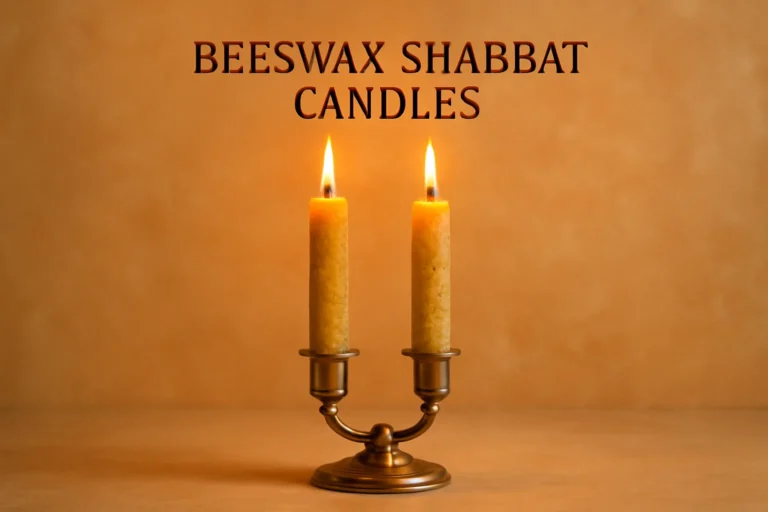
Candle lighting (lighting the Shabbat candles) occurs before the start of Shabbat.
Shabbat end (tzait hakochavim or havdalah) occurs after the sun has set and the stars come out, according to the tradition you follow.
The modern practical approach used by many calendars is:
Candle lighting is typically calculated as a fixed number of minutes before sunset. The most common standard in Ashkenazi practice is 18 minutes before sunset.
Shabbat end is often calculated as a fixed period after sunset, commonly ranging from roughly 40 minutes to 72 minutes, depending on halachic custom and the season. Different communities, synagogues, and calendar services choose which rule they follow.
Because NYC’s sunsets can move by several minutes over the year and because the exact times depend on the chosen tradition, it is
essential to refer to a reliable source for today’s exact numbers. The key terms to know are sunset, candle lighting, and tzait hakochavim (the moment when “stars come out” and Shabbat ends for many communities).
How Shabbat Times NYC Today are Calculated: A Quick Primer
If you want to understand the logic behind the numbers you see on calendars, here is a straightforward explanation you can
share with family and friends. This primer also helps you interpret different sources when they publish Shabbat times NYC today versus tomorrow, or when you compare cosmically determined times to
synagogue practice.
Localization: NYC time is in the Eastern Time Zone (America/New_York). In practice, many calendars
are calibrated to the city’s longitude, but some synagogues use neighborhood or campus times that may differ by a few minutes.
Sunset as a baseline: The moment of sunset is the anchor for calculating candle lighting and the start of Shabbat for most communities.
Candle lighting rule: A widely used standard is 18 minutes before sunset, though some communities may use 20 minutes, 16 minutes, or another custom value.
Shabbat end rule: The moment when Shabbat ends, tzait hakochavim, is usually defined as a fixed amount of time after sunset. Common windows include 40, 50, 72 minutes after sunset, and some calendars employ a more precise calculation based on nautical twilight, civil twilight, or star visibility.
Seasonal variation: Sunset times fluctuate with the seasons, and longer days in summer push candle lighting earlier or later depending on the chosen convention.
For people who want to understand the nuance, it is helpful to learn the terms zmanim (the halachic times for prayers and Shabbat), aloshashachar (dawn), tzait (twilight markers), and geonim (the 40, 50, or 72-minute guidelines that feed
into havdalah calculations). While the vocabulary can seem technical, the practical effect is simple: you need a trustworthy
source that publishes today’s precise numbers for your neighborhood or synagogue.
It is also important to note that New York City is a dense, diverse metropolitan area with many Jewish communities. The Shabbat times NYC today can differ slightly from one neighborhood to another, and even within the same block
when the calendar is set to a particular local tradition. In this article, you will encounter guidance that helps you
navigate those variations and decide which set of times best fits your practice.
Where to Find Exact Times for NYC Today: Practical Resources
Because exact numbers can shift daily and by community, the most reliable approach is to consult a calendar service that
publishes Shabbat times NYC today with date specificity. Here are some widely used and reputable sources you can
reference directly. They typically provide candle lighting times, sunset, and havdalah times for the entire NYC metro area, and
they allow you to compare different traditions.
Chabad.org – The Shabbat times pages often list candle lighting and sunset for major cities, including
New York City, with notes about local customs and variations. This is a trusted source for many families who follow
traditional practice. Learn more.
Hebcal – A calendar service that publishes Jewish holidays, zmanim, and Shabbat times with options to select
city, zip code, or geolocation. It is especially helpful for NYC today queries, and you can tailor it to
Orthodox, Conservative, or Reform practices. Visit Hebcal.
MyZmanim – A well-known tool for calculating secular and Jewish times, including sunset, candle lighting, and tzait. It is popular among many communities in New York and beyond. Explore MyZmanim.
Timeanddate or city-specific sunset tables – These are civil sources that help orient readers to the sun’s
behavior and can be used in conjunction with Jewish calendars to infer appropriate times. Time and Date.
Local synagogue calendars – Many synagogues publish their own candle lighting times at the top of Friday
newsletters or on their websites. If you regularly attend a particular shul in Manhattan, Brooklyn, Queens, or the Bronx,
checking the synagogue’s site is a quick way to align with your community’s custom.
If you prefer a quick, consolidated view for today, look up “Shabbat times NYC today” on your preferred search engine and
choose a source that clearly states the date, the neighborhood or city-wide times, and the type of practice (e.g., “Orthodox” or “General/Standard”).
For readers who want to see the exact numbers for today in a single place, you may use the search phrases Shabbat times NYC today, Shabbat candle lighting NYC today, NYC sunset today, and
similar variations. These searches typically surface a page with candle lighting times, sunset, and havdalah, tailored to
the date you’re viewing.
Understanding the NYC Sunset Schedule: A City-Wide Perspective
The sunset around New York City is more than a single time; it shifts by season and by date. Because the
East Coast experiences significant changes in daylight across the year, the sunset schedule NYC today is highly
dynamic.
Winter sunsets tend to occur earlier in the evening, which pushes candle lighting earlier than in summer, when the sun
sets later and Shabbat begins closer to nightfall according to the same rule.
Spring and Autumn bring the most noticeable shifts as daylight saving time begins or ends, altering clocks
and, consequently, the alignment of Jewish times with civil time.
Summer sunsets can be quite late, which means candle lighting may be several minutes later than in winter, depending on the chosen rule.
It is helpful to keep in mind that Eastern Time (the local civil time for NYC) is the frame for most everyday planning,
but halachic practice often uses a separate convention for candle lighting and havdalah times. In practice, this
means you will see the same date presented with slightly different numbers across sources, all of which aim to reflect the
same sacred day—Shabbat.
For those curious about the technicalities, some calendars present a distinction between civil twilight (the time
when the sun is 6 degrees below the horizon) and nautical/astronomical twilight (sun below the horizon by
greater depths). Different traditions use these definitions to fix the end of Shabbat. In everyday use, though, most people
rely on the commonly published times that balance tradition with practicality.
Neighborhood Variations in the NYC Area: What to Expect
New York City’s geography is a feature, not a bug, when it comes to Shabbat planning. The tzait of Shabbat and the moment of
candle lighting can vary by neighborhood because some calendars allow for localized adjustments or because synagogues
follow slightly different conventions.
Manhattan and Midtown often reflect the city’s most standardized times, especially for
city-wide calendars. Still, many congregations publish their own candle lighting times that align with their community’s
customs.
Brooklyn, known for its numerous synagogues and a broad spectrum of practice, frequently reports a few
minutes variation between major communities. If a family attends a specific synagogue, using that synagogue’s published times
is usually the best approach.
Queens and the Bronx often follow similar city-wide calendars but may show minor differences
due to the demographic mix and rabbinic guidance in particular neighborhoods.
Suburban and outer borough variations can occur when spiritual leaders publish times that reflect their own
local practice. When in doubt, check the local synagogue’s page or bulletin for the most accurate times for your Friday night.
To stay aligned with your community standard, it helps to identify which source you trust most for NYC today times—whether it is a synagogue calendar, a widely used zmanim service, or a personal rabbi’s guidance.
A Practical Guide: Planning Your Friday Evening and Saturday in NYC
Before Shabbat: The Candle Lighting Window
In everyday life, many families choose to light candle lighting at a specific moment that is consistently
about 18 minutes before sunset. Some families opt for a longer window for personal or family reasons, often
following the custom of their synagogue. The key is consistency: once you choose a time, try to maintain it across the
season unless there is a compelling reason to adjust.
Once Shabbat begins at the time you light the candles, the day tends to unfold with a rhythm of rest, study, prayer, and
family meals. The exact rhythm will depend on your observance level and family tradition. In NYC’s vibrant
Jewish communities, Shabbat often includes:
Special Kiddush at Friday night meals.
Torah study sessions and synagogue services on Friday night and Saturday morning.
Third meals (Seudah Shlishit) in the late afternoon before Shabbat ends.
After Shabbat: Havdalah and the Evening
Havdalah marks the end of Shabbat. The time you observe havdalah depends on the chosen tzait hakochavim rule.
In many circles, havdalah occurs roughly an hour to an hour and a half after sunset, but the exact moment varies. NYC’s
diverse community life means that some families observe havdalah a little earlier or later to fit a unique family schedule.
Practical Tips for a Smooth Shabbat in NYC
Check the day’s exact times on a trusted source before lighting or concluding Shabbat.
Plan ahead for Friday errands or meals, since the window for candle lighting narrows as sunset approaches near the
season’s longest days.
Coordinate with your household about the time you will observe Havdalah, especially if guests or family
have different traditions.
If you travel within NYC, verify the local times for your destination because even small geographic differences can affect the schedule.
In brief, whether you are searching for Shabbat times NYC today or planning weeks ahead, the core mechanics stay the same:
sunset as the anchor, candle lighting a fixed lead time before sunset, and havdalah after sunset according to your chosen custom.
Case Studies: A Look at NYC’s Diverse Observance
Manhattan: A Center of Tradition and Innovation
In Manhattan, many families rely on city-wide zmanim for routine planning, but a number of synagogues publish
their own candle lighting times to reflect community flavor or logistical needs. If you attend a specific synagogue, that
institution’s calendar is the best guide for today’s Shabbat schedule.
Brooklyn: A Mosaic of Customs
Brooklyn is a hub for a wide array of traditions. Some neighborhoods follow an orthodox standard and publish precise candle lighting times
with very small differences from one block to another. Others incorporate Hasidic or Conservative traditions, which may adjust
the end times. For Brooklyn matchups, the most reliable approach is to use the local synagogue’s published times or a reputable zmanim tool.
Queens and the Bronx: Community Calendars and Local Leaders
The outer boroughs often combine city-wide calendars with local guidance from shuls and community centers. If you are visiting
or new to the area, begin with a main city calendar and then cross-check with your host synagogue to ensure alignment with
the local custom.
For families commuting from the NYC outskirts or joining a synagogue outside Manhattan, the same principles apply, but
the times can differ by several minutes. Always confirm with the local congregation if you want to minimize last-minute
confusion on a Friday evening.
Tools, Tips, and Best Practices for Today
Bookmark reliable sources for Shabbat times NYC today, and set a reminder a little before candle lighting.
Compare multiple sources if you have a time-sensitive plan (like a Friday night dinner). A small discrepancy of 2–3 minutes is common.
Note your tradition when using a new calendar—some sources label times for “Orthodox,” “Conservative,” or “General/Standard.”
Respect seasonal changes—as days grow longer or shorter, your start and end times will shift accordingly.
Consider travel implications if you need to reach a venue before candle lighting or stay for Havdalah after an event.
For most people, a balanced approach is to rely on a primary source for NYC today Shabbat times and use secondary sources for
cross-checking. This ensures you follow your community’s norms while still aligning with official astronomical times.
Glossary of Key Terms You’ll See in NYC Shabbat Schedules
Sunset: The moment when the sun goes below the horizon; the common anchor for Shabbat calculations.
Candle lighting: The act of lighting Shabbat candles, typically before sunset by a set number of minutes.
Tzait hakochavim (or tzait ha-kokhavim): Nightfall, the time many communities consider Shabbat to have ended.
Zmanim: Halachic times for prayer and Shabbat; a general category that includes candle lighting, sunset, and havdalah timing.
Aloshashachar: Dawn, the earliest time of the day in halachic calculations (less commonly used for Shabbat start but part of zmanim discussions).
Geonim and twilight definitions: Concepts describing different phases of twilight used in more precise calculations.
Knowing these terms helps you read calendars more confidently and understand why the numbers you see sometimes vary by source.
Conclusion: Embracing the NYC Shabbat Times Landscape
Whether you say Shabbat times NYC today to plan a peaceful Friday night, or you use a more complex set of zmanim
for study and prayer, the essential idea remains the same: Shabbat is anchored in the sun’s cycle, while the human calendar
adds tradition, community, and personal rhythm. Today’s tools—web calendars, synagogue bulletins, and zmanim apps—make it
practical to observe with clarity and intention, even in a city as vast and varied as New York.
If you want to keep exploring, consider pairing the guidance in this article with one or more of the following actions:
Visit a trusted source for Shabbat times NYC today and compare at least two calendars to see how they present
candle lighting and havdalah.
Ask your synagogue or community center for a printed or online schedule that reflects the local custom.
Share the information with family and guests ahead of Friday evening to avoid last-minute confusion.
In short, the question “What are the exact candle lighting times and sunset schedule in New York City?” can be answered most
reliably by consulting a reputable zmanim service that publishes today’s numbers for your specific neighborhood and tradition.
The best practice is to verify the date, confirm the tradition, and then align your Friday night and Saturday morning plans
accordingly. If you’d like, you can bookmark the sources listed above and use them as your go-to reference for Shabbat times NYC today, NYC Shabbat schedule today, and related phrases.
May your Shabbat be peaceful, meaningful, and well-timed. And may your Friday evening lighting and Saturday rest be enriched by clear,
precise information that reflects both the celestial rhythm and the cherished traditions of your community.