Sabbath Time NYC: Accurate Shabbat Times for New York City
The term Sabbath Time NYC refers to the specific moments that mark the beginning and end of the Jewish Sabbath in the five boroughs of New York City. For many families, congregations, and visitors, these times are not merely numbers on a page—they are the framework that shapes Friday night dinners, Saturday morning services, and the peaceful cadence of Shabbat across a bustling metropolis. In New York City, where the sun sets in different neighborhoods at slightly different moments, and where daylight saving shifts the clock twice a year, obtaining trustworthy Shabbat times requires attention to both geography and calendar. This article explores what makes Shabbat time NYC unique, how these times are calculated, and how you can use accurate data in planning your observance, travel, or study of Jewish timekeeping in the city.
Overview: what makes Shabbat time in New York City important
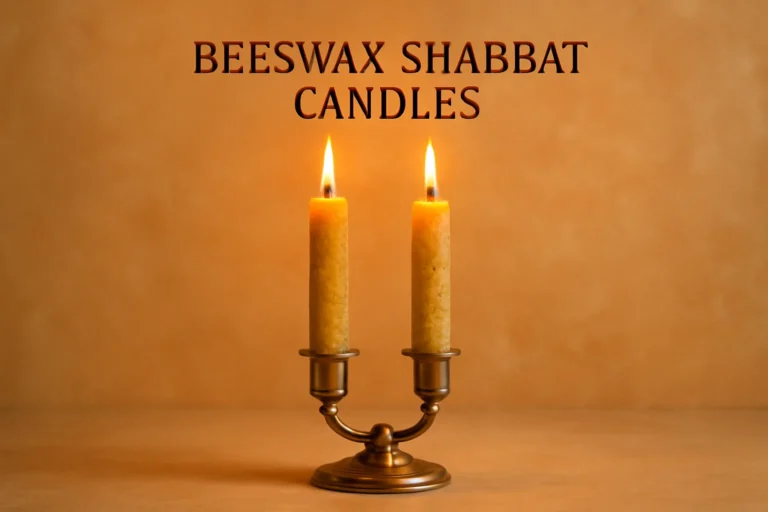
Shabbat is a time of rest and spiritual focus encoded into weekly rhythm. In practice, that rhythm begins with the lighting of candles on Friday evening, continues through the Friday evening services and Friday night dinner, and culminates with Havdalah on Saturday night or early Sunday, depending on tradition. In Shabbat times NYC, a few key ideas recur:
Timing is rooted in the local sunset and the appearance of stars, with many communities observing candle lighting before sunset and Havdalah after nightfall.
Time zones matter: New York City sits in the Eastern Time zone, which shifts twice a year with daylight saving time, changing the absolute clock but not the underlying astronomical events.
Geography matters: Manhattan, Brooklyn, Queens, the Bronx, and Staten Island share a city-wide calendar, but the exact minute of sunset and of nightfall can vary by minutes across neighborhoods, especially around the periphery of the metro area.
Tradition and practice can influence the exact start time (for example, candle lighting 18 minutes before sunset for some Ashkenazi communities, versus a later or earlier time for others).
For newcomers, visitors, or long-time residents, accessing reliable Shabbat times in NYC means knowing where the data comes from, how to interpret it, and how to adapt it for personal or communal practice. The rest of this article delves into those questions with practical guidance and clear explanations.
How Sabbath time NYC is calculated
At its core, the calculation of Sabbath time NYC blends astronomy, halachic (Jewish law) guidelines, and geography. The exact method can vary by tradition (Ashkenazi, Sephardi, etc.), but several common principles apply across the city:
Astronomical foundations
The start of Shabbat is traditionally linked to sunset, when the sun has dipped below the horizon, and the evening star appears in Jewish law for many authorities. Some communities begin candle lighting before sunset, while others begin at astronomical sunset or a fixed offset from sunset.
The end of Shabbat is tied to nightfall, which is when three stars are visible in the sky. In practice, many NYC observances rely on a practical approximation often described as tzeit hakochavim (the appearance of three stars) or the official nightfall time published by a worthy authority.
In the contemporary urban context, local sunset times vary with latitude and longitude, and they drift seasonally. The date itself matters a lot: Friday and Saturday shift through the year as days lengthen and shorten.
Halachic rules and conventions
Different candles times traditions: some communities light 18 minutes before sunset, others at 25 minutes, and some exactly at sunset. The language of the calculation is often described as pre-sunset light or pre-beginning timing.
Shabbat can begin at the end of a Sixth Day if one keeps stringent timing or a more lenient cut-off if one follows a liberal practice, but in NYC most households align with their synagogue’s or community’s standard.
Havdalah may be observed at nightfall or after a fixed interval following sunset, depending on local custom. In NYC, many communities follow the nightfall standard, while some more stringent groups choose a later Havdalah time if necessary due to urban schedules.
Geography and time zone considerations
New York City uses Eastern Time, which is UTC-5 in standard time and UTC-4 during daylight saving time. The clock change twice a year can affect how you plan your Friday and Saturday obligations.
Even within a single city, the difference between neighborhoods can amount to a few minutes at the extremes. That is why many people check a reliable source for the exact Shabbat times NYC that apply to their particular area or neighborhood.
Print calendars, online calculators, and mobile apps may use different reference points (latitude/longitude, city-center, or user-input location). It helps to verify that the data aligns with your intended location and tradition.
NYC-specific factors that shape Shabbat times
New York City is a unique laboratory for Jewish timekeeping because of its size, diversity, and tempo. Here are several NYC-specific factors that influence Sabbath time NYC data and daily practice:
In late spring and summer, days are long and sunset comes late in the evening, which can push candle lighting many minutes after 7:00 p.m. in some neighborhoods.
In late fall and winter, sunsets come earlier, which means Friday light ends earlier and Havdalah occurs earlier in the evening, especially for those who observe nightfall strictly.
Daylight saving time shifts require attention: the clock changes do not change the sun’s schedule, but they do shift the clock time you read on calendars, apps, or community bulletins. Always check the date and ensure you’re referencing the correct time zone offset for that week.
Community variety and centers
New York City hosts a mosaic of communities—Orthodox, Conservative, Reform, and secular Jewish groups—each with its own customary timing. This means that Shabbat time NYC might be described differently in synagogues or community bulletins depending on tradition and authority.
Neighborhoods with large Orthodox populations, such as parts of Brooklyn and Manhattan, might publish precise Shabbat times NYC for multiple areas, whereas more general sources may provide city-wide averages that still require local adjustment.
Public transit and urban life rhythms
In a city where Friday is a brisk moving day and Saturday mornings are busy with synagogue services, many residents coordinate their schedules around a mix of Shabbat times NYC and public activities, including markets, academic institutions, and cultural events that pause around Shabbat.
Hospitals, airports, and emergency services must also respect Shabbat observance to varying degrees, which influences how the city publishes or coordinates times for visitors and residents alike.
Common sources for Shabbat times in NYC
People rely on a mix of published calendars, online calculators, and mobile apps to obtain reliable Shabbat times NYC. Each source has strengths and caveats. Here are the most common categories:
Synagogues and community bulletins
Many synagogues publish their own weekly schedules that include candle lighting times and Havdalah. These are often tailored to the specific neighborhood (for example, Shabbat candle lighting in Crown Heights or Shabbat times in the Upper West Side).
Community calendars may list holiday-related observances and special services, helping you plan meals, study, and travel around Shabbat day rhythms.
Jewish calendar websites and services
Dedicated sites often provide Sabbath time NYC for multiple neighborhoods and can be filtered by location, tradition, and date.
Some services offer both Shabbat times NYC and daily prayer times, which can be useful for longer visits or for those who want to align timekeeping with davening schedules.
Mobile apps and tools
Smartphone applications frequently offer options to set your precise location in New York City, choose your tradition, and receive push notifications for candle lighting and Havdalah times.
When using apps, it’s wise to verify the data against a trusted source for the specific street or neighborhood, since NYC can exhibit small local variations.
Printed and digital calendars
Printed calendars, often distributed in shuls or community centers, provide a one-page view of weekly times, including the coming Friday evening and Saturday day times.
Digital calendars can be subscribed to or exported, and they are convenient for planning travel, meals, and visits to friends across the five boroughs.
Regardless of the source, the best practice is to cross-check the data with a local authority or synagogue if you’re preparing for a formal event or travel that requires precise timing.
Practical guidance for planning around Shabbat in NYC
Armed with reliable Sabbath time NYC data, you can plan a seamless observance, whether you’re resident, student, or traveler. Here are practical guidelines that many NYC families use to align daily life with Shabbat timings:
Preparing for Friday evening
Identify your accurate candle lighting time for the exact street or neighborhood you will be in. Use a trusted source and note the time for that date.
Plan meals and seating to begin at candle lighting if that is your tradition. Consider coordinating with guests or hosts to avoid last-minute rushes.
Shabbat tips for evening: turn off or minimize weekday electronics, set up ambiance that fosters a sense of rest and serenity, and arrange space for festive meals and Torah study after candle lighting.
On Shabbat itself
Consult the local Shabbat times NYC to determine the times for morning services, noon prayers, and the end of Shabbat. Knowing these helps you plan meals, study, and family time.]
Consider transit constraints: in a dense city, service times and train schedules may affect attendance and movement between synagogues or homes.
Respect communal norms: some families keep devices off, while others allow limited use for prayer books or essential communication for safety or health reasons.
Havdalah and ending Shabbat
Havdalah introduces the transition back to the ordinary workweek. Check the precise nightfall or Havdalah time for your area and plan accordingly.
Havdalah often involves blessing over wine, spices, and a candle. If you’re away from home, you can bring supplies or visit a local synagogue that offers Havdalah services.
Tools and tips for reliable Shabbat timing in the city
Whether you’re a lifelong New Yorker or a temporary guest, these practical tools can improve your ability to observe Shabbat accurately and comfortably:
Use a location-aware source: Set your preferred NYC neighborhood or street in the tool you’re using, and confirm that the data reflects that location.
Cross-check during transitional periods: At the start or end of daylight saving time, verify that the service you rely on has updated its data.
Keep a backup plan: Have a printed calendar or a secondary app as a fallback in case your primary source experiences downtime or conflicting data.
Communicate in advance: If you’re hosting or attending events, share the times with guests ahead of time to avoid confusion on Friday night and Saturday day.
Respect local customs: NYC houses a spectrum of observances—some communities observe earlier candle lighting, others later. Align with your community or family tradition to maintain coherence.
Choosing a trustworthy Shabbat timetable in NYC
Because the city includes diverse traditions and a broad geography, it’s wise to choose sources that offer:
Transparent methodology: Does the source explain how it computes sunset and nightfall?
Geographic specificity: Can you select your exact borough, neighborhood, or street?
Regular updates: Are times refreshed weekly and seasonally to reflect DST and seasonal changes?
Tradition-based customization: Can you choose Ashkenazi, Sephardi, or other traditions to reflect your practice?
By evaluating sources with these criteria, you can reliably experience accurate Shabbat times NYC, avoid miscalculation, and maintain a consistent observance within the city’s dynamic environment.
Variations in phrasing: semantic breadth for “Sabbath time NYC”
To help ensure the article captures the broad landscape of terminology, here are variations you may encounter when researching or discussing the topic. Each phrasing points to the same fundamental data—start and end times of Shabbat for a given date and location in New York City:
Sabbath time NYC and its daily updates
Sabbath times NYC for local neighborhoods
Shabbat time in New York City and the city-wide calendar
Shabbat hours NYC as observed by different communities
Jewish Sabbath NYC times for the week
Shabbat candle lighting times in NYC
Nightfall and Havdalah times in New York City
Fridays and Saturdays: Torah study and observance windows in NYC
In practice, you may see even broader terms such as Shabbat schedule NYC, NYC Sabbath schedule, or Friday night times in New York. All of these refer to the same core dataset: the start and end of Shabbat for a given date and location in the city. When you search, try a mix of these phrases to locate the most relevant results for your needs.
Cultural and historical context: Shabbat in the city that never sleeps
New York has a storied relationship with the weekly rhythm of Shabbat. As a city with a long history of Jewish immigration, the five boroughs developed a network of synagogues, study halls, and comfortable family traditions that shaped the modern practice of Sabbath time NYC as something both personal and communal. A few themes stand out:
From the Lower East Side to Crown Heights, Shabbat observance has connected generations through candles, songs, and shared meals, turning time into memory and identity.
With a high density of synagogues and Jewish community centers, the city offers a wide range of precise timing and ritual opportunities, from early Friday dinners to late Havdalah gatherings with friends and neighbors.
Modern tools—apps, online calendars, and city-wide bulletins—have helped harmonize the centuries-old discipline of Shabbat with the fast pace of urban life, allowing more people to participate and observe while traveling or working in different neighborhoods.
Frequently asked questions about Shabbat times NYC
What is the best source for Shabbat times in NYC?
There isn’t a single universally “best” source, because NYC is large and diverse. A robust approach is to use a trusted synagogue or community calendar in your neighborhood, complemented by a second, reputable online calculator or app that allows you to set your exact location and tradition. Always verify times if you’re traveling to a new neighborhood or attending a special event.
Not always. Many communities light candles before sunset as a standard practice, often 18 minutes prior for Ashkenazi communities. Others light at a fixed offset or at sunset. Your local synagogue or community will publish the exact time to follow for that week.
How do daylight saving changes affect Shabbat timing?
Daylight saving changes affect the clock rather than the astronomical events. This means you should update your sources to reflect the correct offset (EDT vs EST) for the week. The underlying times of sunset and nightfall remain connected to the astronomical calendar, but the clock reading used in planning will shift with DST.
Shabbat study and meals are integral to many observances, and NYC’s diverse community supports a broad spectrum of practices. Some families hold a Shabbat morning study session, others participate in readings or lectures at synagogues or community centers. For those hosting meals, it’s helpful to coordinate candle lighting, Shabbat services, and guest arrival windows around the published Sabbath time NYC and Havdalah timing.
Conclusion: embracing accurate Shabbat times in the city
In a city as energetic as New York, keeping a reliable sense of Sabbath time NYC helps create a sanctuary within the urban rush. Accurate timing respects tradition, supports family and communal rhythm, and fosters a sense of continuity across neighborhoods and generations. By understanding the astronomical foundations, the halachic choices, and the NYCspecific variables—sunset, nightfall, time zones, and daylight saving—anyone can observe Shabbat with clarity and intention, whether for a single weekend stay or a lifelong practice. Use trusted sources, confirm your location, and align your observance with your tradition and community. In this way, the long arc of Shabbat remains accessible, meaningful, and deeply rooted in the heart of New York City.