The Sabbath is a sacred time set aside for rest, reflection, and communal worship. Across faith traditions, the idea of dedicating a day apart from ordinary concerns appears in varied forms, each with its own schedules, rituals, and greetings. In many Jewish communities, the term Shabbat is used, stemming from the biblical command to rest on the seventh day. In numerous Christian communities, the term Sabbath or Sunday worship describes a weekly gathering that commemorates creation and, in some traditions, the resurrection. While the motivations and practices differ, the common thread is a deliberate pause—an opportunity to re-center life around spiritual priorities, family, and service to others. This article surveys the times, traditions, and practical ways to observe, with attention to diversity, continuity, and the evolving realities of modern life.
Variants of Sabbath Times Across Traditions
Jewish Shabbat: Weekly Day of Rest
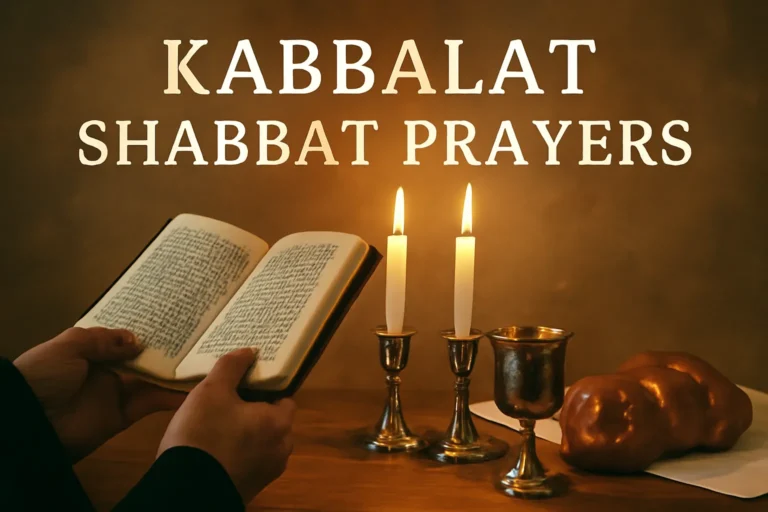
In Judaism, Shabbat begins Friday at sunset and ends on Saturday night after the appearance of three stars in the sky. The length of Shabbat can vary with geographic location and custom, but the rhythm is consistent: light candles, blessings over wine and bread, festive meals, study, prayer, and rest. The schedule often includes distinct liturgical moments such as Kabbalat Shabbat on Friday evening, Shabbat morning services, and Havdalah at the close of Shabbat. These elements knit together communal worship, family life, and intimate study in a single sacred arc.
Christian Sabbath: Sunday Worship
Across Christian communities, the “Sabbath” is commonly observed on Sunday, often described as the Lord’s Day. Services may begin in the morning and sometimes extend into the afternoon, depending on denominational customs. Some churches emphasize the Eucharist or Communion, while others focus on preaching, prayer, and song. In many places, believers gather in parishes, chapels, or house churches, with an emphasis on rest from ordinary labor, communal fellowship, and spiritual refreshment. The day is often framed by a rhythm of preparation in the days leading up to Sunday and quiet reflection afterward.
Other Observances: Seventh-day Adventists and Beyond
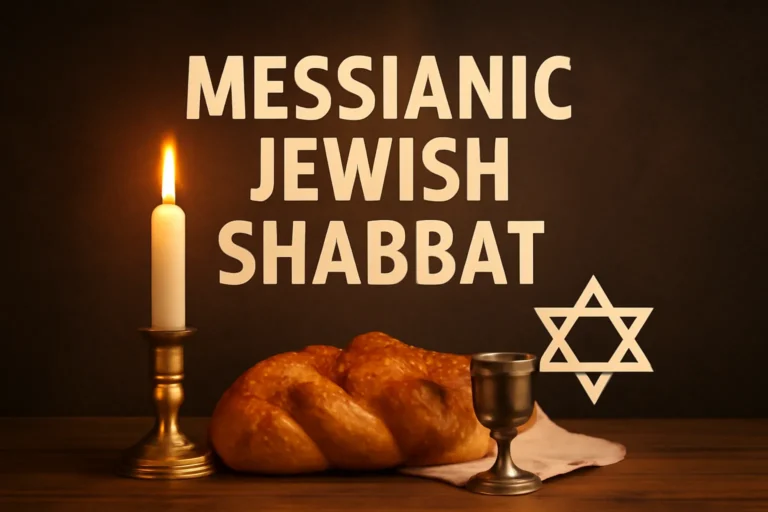
Several denominations and religious communities emphasize the Sabbath with distinctive practices. The Seventh-day Adventist movement, for example, observes Sabbath strictly from Friday sunset to Saturday sunset, with a focus on healthful living, scriptural study, and evangelistic outreach. In Messianic Jewish communities, Shabbat can blend Torah study with Christ-centered worship. Each group interprets biblical texts differently, shaping liturgy, music, and the role of work or recreation on the day.
Typical Times for Sabbath Services
Because geographic location, tradition, and calendar (including leap months or holidays that intersect with the Sabbath) influence schedules, concrete times vary. The following framework provides a sense of the typical sequence and timing, while recognizing local practice may differ.
Friday evening: Beginning of Shabbat in Judaism; candle lighting often occurs about 18 minutes before sunset, though some families light later or earlier depending on custom. The Kabbalat Shabbat service may begin shortly after lighting, featuring psalms, prayers, and songs that welcome the Sabbath queen.
Friday night meal: A warmth-filled family or community meal with blessings over bread (ha-motzi) and wine (kiddush). The setting is often informal yet liturgically rich, creating a bridge from the ordinary workweek to the sacred day ahead.
Friday night or Saturday morning: Special prayers and songs; in many communities, a Ma’ariv or evening prayer service precedes the Friday night meal, and the Saturday morning Shabbat service follows daybreak.
Shabbat morning: A central time for communal prayer, Torah reading, and discussion. In many synagogues, the service includes blessing of the Torah, recitation of selected psalms, and a sermon or teaching.
Torah and Musaf: The Shabbat morning service often features a public Torah reading and the Musaf service, which is linked to the sacrificial rhythm of ancient times and reinterpreted in modern liturgy as a supplementary prayer.
Shabbat afternoon: The afternoon portion may include additional prayer or study, sometimes a reading from the Prophets or a short service called Mincha.
Havdalah: The closing rite that marks the end of Shabbat. Havdalah uses a braided candle, wine, and spices to symbolically separate the sacred space of Shabbat from the ordinary weekdays.
Diversity by denomination: In some Christian traditions, Sunday morning worship might begin early or late, with notes of liturgy, music, and preaching; in others, Sunday afternoon or evening vigils are part of the rhythm.
Traditions and Liturgy: What Happens in Services
Although there is great variation, several recurring elements provide the backbone of Sabbath services. The following descriptions highlight typical liturgical patterns, content, and symbolic acts that appear across many communities while recognizing distinctive twists by tradition.
Core Elements of the Liturgy
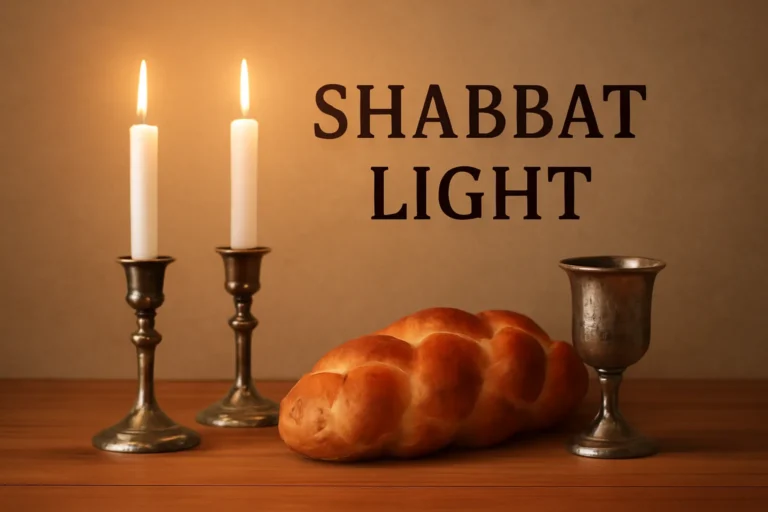
Candle lighting and blessing over the Sabbath light is often the first public act that marks the day’s sanctification in Jewish households.
Kiddush and blessings over bread (challah) or wine at the outset of a meal, symbolizing sanctification and gratitude for sustenance.
Prayers that include praises, confessions, and supplications, often aligned with the day’s themes of rest, holiness, and peace.
Torah reading in Jewish services, including a public reading portion from the weekly parashah and a related discussion or sermon.
Study and teaching as a valuable component of the Sabbath, with time set aside for learning, discussion, and interpretive dialogue.
Song and psalms as a vehicle for communal emotion, gratitude, and shared identity.
Havdalah or Havdalah ceremony for closing the day with fragrance, light, and separation from the weekday routine.
Across communities, musical styles, languages, and tempos differ. Some places emphasize violin-led prayers, others prefer choral or contemporary congregational singing. The textual core—scriptural readings, blessings, and meditations—remains a touchstone, even as form evolves in response to culture and technology.
How to Observe the Sabbath: Practical Guidance for Individuals and Families
Observing the Sabbath is a personal and communal practice that can be adapted to different living situations. The following practical guidelines offer a balanced approach that respects tradition while acknowledging modern life. You may pick and choose elements to fit your community, your family size, and your local calendar.
Plan ahead: Prepare meals, change of clothes, and essential errands before the Sabbath begins. Reducing Friday afternoon activities helps preserve a calm transition into the day of rest.
Disconnect intentionally: Consider limiting work-related tasks, emails, or screen time. Create a boundary around devices to cultivate restful focus and connection with loved ones.
Prepare the home as a sanctuary: Light candles, set a table with a white cloth, and arrange spaces for prayer, study, and meals. A prepared environment signals the intention to enter a sacred time.
Establish a ritual rhythm: Begin with lighting and blessings, move to a shared meal, and include time for study, prayer, or reading. Ending with Havdalah marks the return to ordinary time.
Invite others: Sabbath observance is enriched by hospitality. Share meals with family, friends, or neighbors, and welcome visitors to Sabbath services or study sessions.
Embed rest and service: The Sabbath invites not just rest, but purposeful acts of charity and kindness. Consider volunteering, visiting the ill or lonely, or simply listening attentively to others.
Study and reflection: Use the day to read sacred texts, engage in discussion, or contemplate life purpose, gratitude, and forgiveness.
Respect dietary and liturgical laws: If you follow a particular tradition, adhere to its dietary rules (for example, keeping kosher in some Jewish communities) and its liturgical calendar to maintain coherence with the wider community.
Practical notes for different contexts:
In Jewish contexts, prepare for Shabbat by planning three meals, buying candles, and ensuring that prohibited work is avoided from Friday evening through Saturday night.
In Christian contexts, consider Sunday as a day for communal worship, rest, and family time, with services offering worship, teaching, and fellowship.
In interfaith or secular settings, you can still honor the spirit of the day by choosing activities that promote peace, learning, and generosity.
Practical Guidance by Denomination: How Observance Differs
Orthodox Practices
Orthodox communities typically emphasize strict adherence to traditional liturgy, obedience to calendar, and careful observance of Shabbat laws. Services may run long, with a strong focus on prayer, Torah study, and ritual purity. The atmosphere tends to be reverent, with an emphasis on community continuity and inherited customs.
Conservative Practices
Conservative congregations often strive to balance tradition with modernity. They may preserve the canonical liturgy and Hebrew/Aramaic texts while allowing some vernacular language, unique musical settings, and accessible study opportunities. The emphasis is on maintaining continuity with historical practice while engaging contemporary life.
Reform (and Reconstructionist) communities frequently emphasize personal meaning, inclusivity, and interpretive approach to scripture. Sabbath services may feature bilingual readings, diverse music, and varied formats that accommodate families, youth, and interfaith participants. The core aim is to foster spiritual growth and community welfare while inviting broad participation.
Urban, rural, and campus communities may experience different rhythms. Some key factors shaping Sabbath timing include
Seasonal changes: Sunset times shift with the seasons, altering the exact moment to begin or end Shabbat in Judaism, or the timing of Sunday morning worship in Christian settings.
Community calendars: Local synagogues, churches, and house-church networks publish service times, candle-lighting windows, and study schedules that adapt to holidays and special events.
Family needs: Families with young children may adjust service lengths or choose child-friendly formats to foster participation and learning.
Travel and diaspora life: Travelers may seek out local congregations that follow similar traditions, or use home-study approaches to maintain continuity while away from home.
For those balancing professional schedules with Sabbath commitments, practical approaches include setting a regular wake time that allows Sabbath prep without rushing, and communicating your boundaries to colleagues and supervisors in advance, where appropriate. The goal is intentional rest and spiritual nourishment that can sustain you through the coming week.
Cultural and Global Variations: A World of Sabbaths
Across the Jewish diaspora and Christian communities around the world, Sabbath practices reflect local cultures, languages, and musical tastes. In some regions, traditional chants and cantillation are preserved with exquisite care; in others, contemporary hymns and secular-inspired music mingle with sacred texts. The geography of Sabbath life—cities, small towns, pilgrimage sites, and online communities—shapes how people experience rest, worship, and service. Some communities emphasize hospitality and mezuzah checks on doors, others highlight scriptural exegesis and scripture memorization. Yet the aim remains the same: to separate a sacred time from routine obligations and to cultivate a sense of blessed cadence in life.
Common Myths and Questions About Sabbath Services
Many questions arise when people encounter Sabbath traditions for the first time or when they seek to adapt them to modern life. Here are a few common ones, with concise answers:
Is the Sabbath only for worship? Not at all. It is a time for worship, study, family, rest, and acts of kindness. For many, the day includes a blend of prayer, learning, feasting, and service to others.
Can I observe Sabbath if I am not Jewish or Christian? Yes. Non-adherents can adopt a personal practice that honors the spirit of the Sabbath—rest, reflection, and generosity—while respecting the beliefs and rules of a specific tradition if they choose to participate in a shared space.
What about work and essential duties? In many traditions, there are allowances for emergency or essential tasks. The focus remains on reducing non-essential labor and cultivating a divinely oriented rhythm.
What if I live alone? Observing Sabbath can still be meaningful through personal prayer, reading, study, and small rituals like lighting a candle, sharing meals with neighbors, or attending a local service.
How does technology fit in? Some communities limit devices during Sabbath hours, others create designated times for mindful use or digital Sabbath sessions to avoid distraction while preserving connection with others.
Global Etiquette and Accessibility: Inclusive Observance
Interfaith hospitality: Some Sabbath gatherings invite people from different faith backgrounds to learn, share meals, and engage in respectful dialogue.
LGBTQ+ inclusion: Many progressive communities seek to create spaces where all people can participate with dignity and reverence.
Conclusion: The Living Practice of Sabbath
Whether you approach the Sabbath as Shabbat in a Jewish framework, as a Sunday-based Sabbath in a Christian context, or as a personal practice that borrows elements from multiple traditions, the core purpose remains similar: to create space for rest, meaningful connection, and spiritual renewal. The “times” of Sabbath services—sunset to nightfall in one tradition, Sunday morning in another—are more than mere hours on a calendar. They are a discipline, a gift, and a communal invitation to reorient life around what is most sacred. By embracing the rituals, traditions, and practical steps described here, individuals and communities can cultivate a resilient, joyful, and generous way of observing the Sabbath year after year.
Appendix: Quick Reference for Common Terms
Shabbat: The Sabbath in Jewish tradition, from Friday sunset to Saturday nightfall.
Kabbalat Shabbat: Friday evening service welcoming the Sabbath.
Ma’ariv: Evening prayer service in Jewish liturgy.
Kiddush: Blessing over wine to sanctify Shabbat or a festival meal.
Challah: Braided Sabbath bread used during meals.
Havdalah: Ceremony marking the end of Shabbat, with a candle, wine, and spices.
Musaf: Additional Shabbat sacrifice-era prayer, interpreted liturgically in modern services.
Eucharist/Communion: Central Christian rite often observed during Sunday worship.
Torah reading: Public reading from the Torah in Jewish services.
Mincha: Afternoon prayer, sometimes observed on Shabbat.