When families gather to welcome the new year, many traditions come to life through sight, scent, and taste. One charming and educational practice is the use of Rosh Hashanah simanim cards—compact, printable or handmade cards that pair a symbolic food with its meaning for the coming year. These simanim templates help children and adults alike remember the messages embedded in the foods we eat or display during the holiday. In this article, you will find an in-depth exploration of Rosh Hashanah simanim cards, variations of talk and teaching around the symbols, ideas for printable templates, and practical guidance for creating and using these cards in homes, classrooms, and communal settings.
The tradition of simanim, or symbolic foods, is ancient and diverse. While the core idea remains the same—expressions of hope for a sweet, successful, and meaningful year—the way families implement it can vary widely. The semantics of the simanim are enriched by cultural background, language, and personal interpretation. The result is a broad family of options: from classic two- or three-card sets to expansive decks with dozens of symbols, from simple cut-and-glue crafts to polished, print-ready sheets. In every form, these cards invite reflection, conversation, and intention as part of the New Year’s experience.
What are Rosh Hashanah Simanim Cards?
At their heart, Rosh Hashanah simanim cards are a teaching and celebration tool that associates a particular symbol with a blessing or hope for the year ahead. The cards typically feature:
The name of a siman (for example, «Apple with honey» or «Pomegranate»).
A brief description or interpretation of the meaning behind the symbol.
An area for personal notes, prayers, or intentions for the coming year.
Optional decorative elements that reflect the aesthetics of the family or community.
The printable templates for these cards enable families to produce a cohesive deck at home. They can be designed for single-sided or double-sided printing, arranged for various card sizes (such as 4×6 inches or 5×7 inches), and adapted to different languages or educational levels. Because the meaning of each symbol can be rich and multi-layered, the cards often serve as a gateway to discussion—why do we hope for sweetness, abundance, health, and peace? How can our actions reflect those hopes throughout the year? The cards become prompts for family conversation and learning.
Common Simanim and Their Meanings
The core set of symbol foods used on Rosh Hashanah is sometimes called the simanim or symbolic foods. Community customs vary, so your simanim cards may emphasize different entries, but there is a core language that many families recognize. Below is a representative catalog of popular symbols with concise meanings. This list is designed to be a practical guide for designing printable templates and for constructing your own card deck.
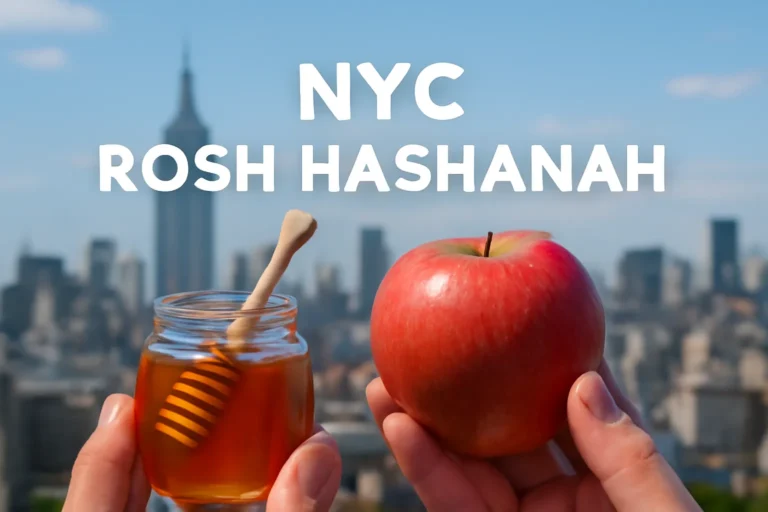
Apple and honey — A classic pairing that expresses the wish for a sweet new year.
Pomegranate — Symbolizing a year filled with as many good deeds and merits as there are seeds; a wish for fullness and quality of character.
Head of a fish — Interpreted by many as the hope to begin the year with leadership, direction, and a focus on being proactive rather than reactive. Some communities choose a different head symbol, such as the head of an animal, but the intent remains about starting strong.
Dates or other sweet dried fruits — A reminder of continued sustenance and the sweetness of relationships and blessings.
Figs — A symbol of abundance, fertility, and growth in personal and communal life.
Grapes or grape juice — Representing blessing, joy, and the potential for a fruitful year ahead.
Leeks, onions, or garlic (in some traditions) — These greens can symbolize protection, healing, or the removal of ailments or negativity as the year begins (meanings vary by community).
Spinach or lettuce — Often used to symbolize renewal, growth, and the hope for a year of health and vitality.
Carrots — Depending on tradition, may symbolize increased vitality, prosperity, or the removal of obstacles to success.
Beets or beet greens — Sometimes used to signify pushing away what is negative or burdensome and inviting a year of fresh energy or justice.
Honey cake — A sweet treat representing the wish for sweetness and joy throughout the year, occasionally included as a separate card or as a companion image to honey itself.
Seasonal vegetables (such as squash or gourds) — Used in contemporary sets to reflect agricultural cycles and ongoing growth, adapting the simanim to local harvests.
Water and rain imagery — In some modern decks, watery symbols accompany wishes for renewal, renewal of spirit, or eased burdens.
The list above illustrates how varied the traditions can be. Different communities emphasize different foods, and families often add their own personal symbols to reflect family milestones, values, or hopes for the year ahead. When you design Rosh Hashanah simanim cards, you are free to select the symbols that most resonate with your household or classroom, and you can write your own meanings to accompany each card.
Printable Templates: Design, Customization, and Accessibility
A central advantage of the modern practice is the accessibility of printable templates. With a few clicks, you can customize a deck, print it at home or a local print shop, and assemble a durable, reusable set. The following sections outline practical considerations for creating or choosing templates that fit your needs.
Choosing a template size and layout
Common sizes include 4×6 inches or 5×7 inches, easy to print on standard printers or at a print shop.
Templates may be designed as single-sided cards or double-sided cards with the symbol on one side and the meaning on the other.
For classroom use, consider a larger deck with 12–20 cards and a separate section for student reflections or drawings.
Accessibility-friendly options can include bold fonts, high-contrast colors, and left-to-right or right-to-left orientation depending on language needs.
File formats and printing tips
Choose formats that are easy to edit and print, such as PDF for universal printing, and editable formats like SVG or PNG for customization in design software.
For those who want to customize text, consider templates that include a fill-in area for writing a personal meaning or intention.
Use high-contrast color combinations to ensure readability in different lighting conditions. For example, dark text on a light background improves legibility.
Print a test page before committing to a full run, particularly if you plan to print multiple pages per sheet or use decorative borders.
Design considerations for compelling templates
Include a consistent branding or theme (e.g., a specific color palette, font family, or illustration style) so the deck feels cohesive.
Line spacing and card margins should accommodate both short phrases and longer explanations without crowding.
Consider a layout that leaves space for writing personal notes, blessings, or the year range (for example, «5787» or «5784» depending on the calendar).
Offer variations in language within the same deck (e.g., Hebrew transliteration, English, and a bilingual option) to support learning and inclusivity.
How to Use Simanim Cards in Home and Community Settings
Once your deck is printed or assembled, the way you use the cards can be as important as the cards themselves. The following ideas explain practical applications for Rosh Hashanah simanim cards, whether you are at home, in a classroom, or in a community center.
Tabletop display: Place the cards around the dining table or in a central display so that each symbol is visible during the Rosh Hashanah meal or the family gathering. Encourage everyone to discuss the meaning before the new year begins.
Story and discussion prompts: Use each card to prompt a quick story or memory related to a blessing you hope for the coming year. This can be especially meaningful for children who are learning about Jewish rituals and values.
Language integration: In multilingual households or classrooms, present the symbol, its meaning, and a brief phrase in multiple languages to support language development and cultural understanding.
Reflection journals: Provide a small blank space on each card for family members to write a personal resolution, grateful memory, or a blessing for someone else in the family.
Educational activities: Use the cards as a basis for counting, pattern recognition, or vocabulary building. For example, students can pair each siman with a corresponding Hebrew word and an English translation.
Educational and Craft Ideas for All Ages
The potential uses of Rosh Hashanah simanim cards extend beyond a single holiday moment. They can become a year-round resource for learning, cooking, and family bonding. Here are several ideas to expand the impact of your simanim deck.
For children: interactive learning and creativity
Craft projects: Have kids create their own cards with drawings or stickers that depict the symbol and a personal meaning. This fosters creativity and ownership of the tradition.
Memory games: Create a matching game where children pair the symbol card with its meaning or a related image, reinforcing associations in a playful way.
Reading and storytelling: Use the cards as prompts for short stories about goals for the coming year, emphasizing kindness, health, and family.
For adults: reflection, discussion, and planning
Group discussions: In a synagogue or community setting, use the simanim cards to facilitate meaningful conversations about collective hopes and responsibilities for the year ahead.
Meal planning and rituals: Integrate the cards into the Rosh Hashanah table setting so that each guest can read a meaning aloud, turning a meal into a shared ritual.
Personal goal setting: Use the blank areas on cards to write intentions or goals, then revisit them throughout the year as a way to track progress and stay mindful.
Variations and Modern Editions of Simanim Card Sets
Modern Rosh Hashanah simanim cards come in many varieties. Some decks emphasize traditional symbols with strict adherence to classic meanings, while others embrace contemporary symbolism, local harvests, or educational themes. Below are several common editions you might encounter or wish to create.
Classic edition: A compact deck focused on the most traditional symbols (apple and honey, pomegranate, head of a fish, honey cake, grapes, dates, leeks, spinach, carrots, beets) with concise interpretations.
Expanded edition: A larger deck that adds regional symbols, such as gourds or squash, olives, or nuts, and longer explanations for each symbol’s meaning.
Language variants: Bilingual decks or multi-language sets designed for classrooms or families that speak more than one language, facilitating language learning alongside tradition.
Educational editions: Decks designed specifically for schools, with clearly labeled symbols, pronunciation guides, and teacher notes for discussion prompts.
Digital editions: Interactive templates (online or downloadable) that allow you to fill in meanings, attach audio pronunciations, or print directly from your device.
Regional and Cultural Variations in Simanim Practices
Across Jewish communities, the emphasis and interpretation of simanim can differ in meaningful ways. The basic idea—linking a symbol with a blessing for the coming year—remains universal, but the selection of symbols and how they are described can reflect local customs, liturgical traditions, and historical experiences. Some notes on regional variations:
Ashkenazi traditions often highlight the classic trio of apple and honey, pomegranate, and head of a fish with succinct meanings. The imagery remains central to family rituals and school activities.
Sephardi and Mizrahi communities may include different fruits and vegetables reflective of regional harvests, such as local grapes, figs, or dates, with unique interpretive phrases or blessings attached to each symbol.
Modern urban families frequently update the deck by adding symbols related to health, resilience, and environmental stewardship—reflecting contemporary concerns while preserving the core spirit of sweetness and blessing.
Printable Templates: Practical Tips for Crafting Your Deck
If you are printing the cards yourself, you’ll benefit from practical tips that streamline the process and improve the final product.
Prepare a consistent grid layout, such as a two-column layout on a letter-sized page, so that you can print multiple cards per page with even margins.
Use a clear, legible font for the meanings and a slightly decorative font for the symbol names, ensuring contrast for readability.
Add a decorative back to the cards to make them visually appealing on display, while keeping the front readable and practical for reading aloud.
Include a blank back or a section for personal notes so families can write their own intentions or blessings.
Print a test page to verify alignment and color balance. If printing in color, consider a light, non-distracting color palette that highlights the symbols without overwhelming the text.
Designing Your Own Simanim Card Set: Step-by-Step
If you want to design your own Rosh Hashanah simanim cards, here is a practical, do-it-yourself workflow that can be completed in a weekend.
Decide on the card count: a small starter deck (6–8 cards) or a full deck (12–20 cards) depending on your goals and space.
Choose a card size and orientation: common choices are 4×6 inches (landscape) or 5×7 inches (portrait).
Collect symbols: select the simanim you want to include, keeping in mind local harvests, family traditions, and educational objectives.
Write meanings: craft concise but meaningful descriptions, and consider adding a short prayer or intention per card if you wish.
Produce the templates: design the front and back (or two sides if double-sided), including a space for your own notes or additions.
Print and cut: print on durable cardstock or thick watercolor paper, then cut to size and optionally laminate for longevity.
Optional assembly: bind the cards into a deck with a small ring binder or store in a decorative box for easy access during the holiday season.
Incorporating Simanim Cards into Rituals and Learning
The printable simanim templates can be integrated into multiple ritual and learning contexts. Whether you are preparing for a family Rosh Hashanah gathering or a daytime class session in a synagogue, the deck can guide dialogue, memory, and intention.
Pre-meal ritual: before the Tashlich or the main meal, pick a few cards to read aloud and reflect on their meanings for the coming year.
Lecture or class activity: use each card as a prompt to discuss themes such as gratitude, mercy, humility, and generosity, linking the symbols to broader Jewish values.
Community fairs or libraries: create display decks with short explanations so passersby can learn about simanim and print their own templates at home.
Ethical and Spiritual Dimensions of Simanim Cards
Beyond the practical crafting and printed design, simanim cards carry spiritual and ethical dimensions. They invite us to consider how our actions align with our hopes for the year ahead. The cards encourage intentional living: a daily or weekly check-in with the symbols can remind us to cultivate sweetness (in relationships), abundance (in generosity and work), and health (in personal care and communal well-being). This reflective practice can be inclusive and family-centered, which makes it adaptable for different ages and backgrounds.
In many communities, simanim cards have become keepsakes that families pass down through generations. Some families include a photo or memory card alongside each symbol to commemorate a year’s turning points. Others convert their cards into digital slideshows or desktop wallpapers as a modern keepsake. The central idea remains the same: to connect the symbolism of the foods with personal and communal aspirations for the year to come.
Conclusion: Making the Most of Rosh Hashanah Simanim Cards
Whether you adopt a classic set, an expanded edition, a bilingual template, or a purely DIY deck, Rosh Hashanah simanim cards offer a tangible, accessible way to teach and celebrate the values that the new year invites us to pursue. The beauty of these cards lies not only in their layout or their design, but in their potential to spark conversation, inspire kindness, and turn a moment of greeting into a lasting commitment. In the end, these printable templates become more than decorative; they become tools for remembrance, hope, and intentional living as we greet the year ahead with sweetness, courage, and community.