Rosh Hashanah New York is not only a holiday on the calendar; it is a living experience that invites visitors and locals alike to reflect, celebrate, and connect with a city that has one of the most vibrant Jewish communities in the world. Whether you are a long-time resident of the Five Boroughs or a first-time traveler curious about the rhythms of the New Year, this guide provides an in-depth look at how Rosh Hashanah in New York unfolds across synagogues, cultural institutions, parks, and family homes. From the traditional prayers and family table to street fairs, cantorial concerts, and Tashlich by the river, the Big Apple offers a spectrum of ways to observe and celebrate.
Rosh Hashanah New York: Guía de Celebraciones y Eventos
The phrase Rosh Hashanah in New York encompasses a range of experiences. In this guide, you will encounter variations like Rosh Hashanah NYC, New York Rosh Hashana celebrations, Rosh Hashanah celebrations in NYC, and Rosh Hashanah in the Big Apple, all of which point to the same occasion viewed through different lenses. This article aims to outline the main venues, traditions, and practical tips that help you navigate NYC Rosh Hashanah with ease, warmth, and respect.
What makes Rosh Hashanah in New York unique?
While the core religious observances of Rosh Hashanah—the sound of the shofar, the prayers for a sweet year, the emphasis on repentance and renewal—are universal, the metropolitan setting of Rosh Hashanah New York brings a distinct flavor. You can encounter:
Diverse communities—Orthodox, Conservative, Reform, Reconstructionist, and secular Jews often cross paths in the same city, sharing prayers, music, and meals while maintaining their own practices.
Cultural institutions that host special exhibits, concerts, and film screenings related to Jewish holidays and New Year themes, providing a broader cultural context to the religious observance.
Public rituals by waterfronts and parks—Tashlich ceremonies by the Hudson, East River, and various city ponds create scenic, contemplative moments in urban spaces.
Neighborhood flavors—From Manhattan’s Upper West Side to Brooklyn’s Crown Heights and Flatbush, the array of synagogues, bakeries, and community centers makes the experience delicious as well as meaningful.
Key dates and calendars: when to plan your visit
Rosh Hashanah follows the Jewish lunar calendar, beginning on the eve of the 1st of Tishrei and continuing for two days in most traditions. In New York, observers might adjust plans to accommodate synagogue services that begin just before sundown and extend after dark. It is common to see special temple bulletins, cantorial concerts, and Tashlich sessions occur on both days. If you are visiting, here are practical notes:
Two-day observance is typical for most communities; plan conversations, meals, and attendance with that in mind.
Evening services often begin at dusk or slightly before and can last several hours. It is respectful to arrive on time and dress modestly as a sign of reverence.
Public events—concerts, lectures, and family programs—may run at various times, sometimes overlapping with synagogue services. Check the official calendars of the city’s Jewish organizations for the most current schedules.
Make reservations for community meals where required; many events are popular and have limited seating, especially in smaller venues or during high-demand neighborhoods.
Where to observe: a quick tour of iconic venues and neighborhoods
New York’s Jewish landscape is not confined to one neighborhood. The city offers a mosaic of places to observe Rosh Hashanah, from grand synagogues to intimate study rooms. Below are some broad patterns you might expect:
Manhattan—Midtown and the Upper East Side host large, well-organized services at historic synagogues, cantorial performances at cultural centers, and spaces that welcome visitors.
Brooklyn—A diverse range of communities in Borough Park, Flatbush, and other neighborhoods provide traditional prayer services, Tashlich by nearby waterways, and family-friendly programs.
Queens and the Bronx—Vibrant communities with a mix of Orthodox and non-Orthodox congregations; Tashlich events and public programs often take place in parks and community centers.
Other venues—Cultural organizations and museums occasionally host special exhibitions or performances timed to Rosh Hashanah, offering a broader perspective on Jewish life in New York.
Synagogues, centers, and community hubs to know for New York Rosh Hashanah
If you are planning to join services in the city, here are some well-known centers frequently involved in Rosh Hashanah programming. This list is indicative rather than exhaustive, reflecting the city’s dynamic, diverse landscape:
Central Synagogue (Midtown Manhattan) — A landmark modern Orthodox and Reform-leaning congregation with a long history of welcoming visitors, choirs, and inclusive programming.
Park East Synagogue (Upper East Side) — Known for its tradition-minded services, exceptional cantorial music, and community hospitality during the holidays.
The Jewish Center (Midtown West) — A large, active congregation with robust programming and family outreach during Rosh Hashanah.
Temple Emanu-El (Upper East Side) — One of the largest Reform congregations in the city, offering high-profile services and elegant holiday events.
Park Slope Jewish Center (Brooklyn) — A venerable community hub in a family-friendly neighborhood, hosting approachable services for newcomers.
Chabad houses and smaller synagogues across Brooklyn, Queens, and Manhattan — Often provide guest-friendly, welcoming spaces and multilingual services for travelers and first-timers.
Yiddish- and Hebrew-language programs — For attendees seeking a traditional liturgical experience with chants and melodies rooted in Ashkenazi heritage.
In addition to houses of prayer, several cultural institutions in New York align with the holiday’s themes. Museums, libraries, and theaters may present programs that illuminate Jewish history, art, and thought, helping visitors connect the spiritual center of Rosh Hashanah with the city’s broader cultural life.
Tashlich, prayers, and rituals: what to expect during the two days
A hallmark of Rosh Hashanah is the tashlich ceremony—the symbolic casting away of sins into a body of water. In New York, many families and individuals attend Tashlich at waterfront locations such as riverside parks, piers, or lakes near synagogues. If you plan to participate, consider the following:
Locations vary by neighborhood; popular spots include parks along the East River, Hudson River piers, and city waterways that offer a quiet, reflective setting.
Attire is typically modest and respectful; bring a light wrap if the day is breezy and bring a mat or towel for seating if needed.
Participation usually welcomes people of all faiths and backgrounds who want to reflect and learn, so don’t hesitate to join respectfully.
Prayers—If you attend synagogue services, you will encounter special liturgy for the New Year, with the blowing of the shofar (ram’s horn) a central moment on both days.
Music, liturgy, and accessibility
The musical dimension of Rosh Hashanah in New York is a memorable feature. You may experience:
Cantorial choirs and the resonant voices of choirs that lead prayers with traditional melodies and new arrangements alike.
Chants and liturgical poetry that emphasize introspection, renewal, and gratitude for life’s blessings.
Accessibility options—Most major temples provide accessibility services and can accommodate visitors with special needs or language preferences (Hebrew, English, and sometimes Spanish or Russian translations).
Rosh Hashanah activities by neighborhood: a practical guide
Manhattan: from the Upper West Side to Midtown
In Manhattan, the concentration of synagogues and cultural venues creates a dense calendar. Expect to find:
Two-day services at major synagogues with guest clergy and cantors.
Family programs with storytelling, bread-breaking sessions, and age-appropriate learning for children.
Holiday markets near cultural centers featuring kosher foods and crafts to bring a sense of celebration into the home.
Brooklyn: Borough Park, Flatbush, and beyond
Brooklyn’s Jewish communities are famous for their warmth and tradition. Rosh Hashanah in Brooklyn often blends long-standing customs with modern outreach:
Neighborhood synagogues with diverse practice styles, where visitors are welcome to observe or participate as they feel comfortable.
Family-friendly programs at community centers and day schools that emphasize learning and renewal for children and adults alike.
Tashlich events in parks and waterfronts that reflect the borough’s access to water bodies and inviting spaces.
Smaller congregations offering intimate services and opportunities to meet neighbors who share a commitment to Jewish life.
Interfaith and cross-community programs that foster dialogue and learning about Jewish holidays within a diverse city.
Public programming at libraries and cultural centers that complements ceremonial observance with educational experiences.
Food, meals, and hospitality: a culinary arc of Rosh Hashanah
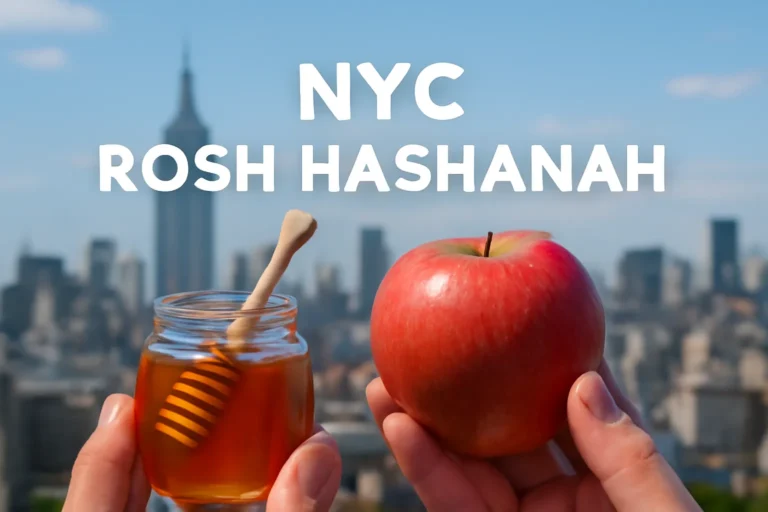
Food is a central thread of Rosh Hashanah celebrations. The festive table features symbolic dishes—apples with honey for a sweet year, challah, pomegranates, and round challah representing completeness. In New York, you can discover:
Kosher bakeries and markets offering honey cakes, apple pastries, potions of sweet foods, and festive breads shaped for the New Year.
Family meals hosted by communities, congregations, and cultural centers—these meals provide a generous sense of welcome for visitors and newcomers.
Guided culinary walks or tours that highlight kosher eateries and bakeries in neighborhoods like the Upper West Side, Borough Park, and Queens.
If you are attending a community meal, it is appropriate to call ahead to understand dietary customs and whether the event requires advance registration. In many cases, New York Rosh Hashanah meals are potluck-style or donation-based, and a small contribution helps sustain community programs for the holiday and the year ahead.
Practical tips for visitors and first-timers
Whether you are exploring Rosh Hashanah NYC as a tourist, a student, or a neighbor new to the city, these practical tips can help you participate with ease and dignity:
Plan ahead by checking synagogue calendars and cultural institutions’ event pages. NYC’s schedule can be dynamic, with pop-up programs and last-minute additions.
Respect local customs—modest dress in synagogues, quiet behavior during services, and refraining from photography in sanctuaries unless permitted.
Language options—while much of the liturgy is in Hebrew, many synagogues provide English translations or supplemental readings. Some programs may offer Spanish-language explanations or materials in other languages depending on the community.
Tashlich logistics—arrive early to secure a place near the water and bring a small bag or mat to sit if needed.
Accessibility—if you require accommodations, contact the venue in advance to ensure accessibility for mobility, hearing, or sensory needs.
How to participate respectfully: etiquette for guests and first-timers
Observing Rosh Hashanah in New York as a guest is a meaningful gesture of respect and curiosity. Here are some etiquette notes:
Ask before taking photos in sacred spaces; many congregations restrict photography during services.
Be mindful of dietary restrictions—kosher meals may be offered, and some venues may be strictly kosher for the holiday period.
Engage with hosts—if invited to a home or community meal, follow the host’s lead on seating arrangements and any blessings you may participate in, and consider bringing a small gesture of appreciation, such as a note or dessert.
Learn a blessing or two—a simple greeting like “Shana Tova” (Happy New Year) is a meaningful way to join in the spirit, even if you do not participate fully in the liturgy.
Be aware of the timing—services and meals often run on tight schedules; punctuality is appreciated as a sign of respect for the prayers and the community.
Ideas for a self-guided Rosh Hashanah experience in New York
If you prefer a self-guided exploration rather than joining a specific congregation, you can craft a thoughtful itinerary that blends liturgy, learning, and reflection:
Visit a major synagogue for a daylight walk-through or a public reading if available, and observe the architecture and the halls dedicated to the high holy days.
Attend a Tashlich ceremony at a waterfront park or a quiet pond in a city park system—use a moment to reflect on your own hopes for the year ahead.
Explore an exhibit or talk at a Jewish museum or library that ties to the themes of renewal, justice, and community.
Take a stroll through a Jewish bakery or market to sample apples with honey and other seasonal treats that mark the holiday.
Conclude with a balmy evening stroll in a neighborhood that glows with holiday lights and the warmth of neighbors exchanging well-wishes.
Resources and contacts for New York Rosh Hashanah celebrations
This section lists typical resources that people use to find information about Rosh Hashanah events in New York. While specific programs can vary each year, these categories and institutions frequently offer updated calendars:
Federations and umbrella organizations—they often publish comprehensive holiday calendars, including service times, workshops, and family programs.
Synagogue websites—the official websites and social media pages of large synagogues provide schedules, guest policies, and contact information for visitors.
Cultural centers and museums—venues like city cultural centers host holiday-themed talks, concerts, and exhibits that align with Rosh Hashanah’s themes.
Local Jewish bookstores and kosher markets—these venues can be excellent sources for last-minute event listings and recommendations for the neighborhood.
Public libraries and community centers—often host educational programs or open-house tours that relate to the New Year and Jewish heritage.
The city’s energy around Rosh Hashanah is part spiritual, part social, and entirely urban. It is in the spontaneous greetings of neighbors on crowded sidewalks, in the quiet hours spent by the waterfront at Tashlich, and in the solemn prayers that echo through marble sanctuaries. For many people, Rosh Hashanah New York represents a moment to renew commitments, reconcile with family and friends, and step into the year ahead with intention. The city’s pace can feel intense, yet during these days it often slows enough for contemplation and listening—an admirable paradox that makes New York a special place to begin a new year.
Variations of the term and why they matter
You may encounter several ways to refer to the same occasion. Some examples you might see in flyers or online programs include:
Rosh Hashanah New York—the straightforward English version emphasizing the city as the setting.
Rosh Hashanah in New York—a broader phrase highlighting the experience across neighborhoods.
Rosh Hashanah NYC—an abbreviated, modern style often used in social media and event listings.
New York Rosh Hashanah celebrations—emphasizing the celebratory aspect and public programs.
Rosh Hashana in NYC—a transliteration variation that some communities use in serving diverse audiences.
By recognizing these semantic variants, you can better navigate the city’s calendars, find the programs that resonate most, and connect with a wider network of people who are observing the holiday in New York.
Whether you are seeking a deeply traditional observance, a family-friendly program, or a culturally rich introduction to Jewish New Year customs, the Rosh Hashanah experience in New York is likely to offer something that aligns with your interests. The city’s diverse Jewish landscape ensures that you can encounter a wide range of prayers, melodies, and customs, all within a few subway rides of one another. For locals, the holiday offers a unique opportunity to extend hospitality, welcome visitors, and reinforce community ties; for visitors, it provides a chance to learn, reflect, and be part of a long-standing urban tradition.
In the end, the goal of this guide is to equip you with enough information, curiosity, and respect to participate with dignity and joy. The New York Rosh Hashanah experience invites you to:
Engage with diverse communities and ask questions to deepen your understanding.
Listen to the stories and prayers that give a sense of continuity across generations.
Share in the season’s sweetness—whether through apples and honey, songs, or simple good wishes for the year ahead.
Remember that renewal is as much about personal growth as it is about communal celebration.
As you prepare to observe or accompany others in their observance, you may find that the term Rosh Hashanah in New York functions as a doorway to something larger: a city that embraces diversity, a community that sustains tradition, and a personal invitation to begin again with hope.