For many Jews around the world, Passover is more than a holiday; it is a seasonal milestone that blends family traditions, sacred rituals, and a chance to explore the Land of Israel. In Israel, the festival of Pesach takes on a distinctive energy: the country’s landscapes, cities, and sacred sites become the backdrop for a range of organized experiences that cater to different backgrounds, levels of observance, budgets, and travel styles. This comprehensive guide explores Passover programs in Israel, also known as Pesach programs in Israel, Pesach in Israel, or Israel Passover vacation packages. Whether you are seeking a family-friendly Pesach getaway, a luxurious Seder-centric retreat, or a budget-friendly option with guided tours, you will find essential insights here to help you plan with confidence.
A Passover program in Israel is a curated travel experience centered around the Jewish festival of Pesach (Passover). Instead of arranging every component of a trip yourself, travelers join a structured package that typically includes accommodation, meals that are kosher for Passover, group activities, Seder experiences, and organized excursions. Programs are offered by hotels, travel operators, yeshiva-centered hostels, and communal organizations, and they vary widely in focus, length, and tone. Some programs emphasize spiritual observance and Torah study; others emphasize family-friendly fun, cultural immersion, or a cross-section of kosher dining and guided sightseeing. The core elements you can expect from most Israel Passover programs include:
Kosher-for-Passover meals and supervision on chametz-free ingredients
A properly conducted Seder with a qualified host or cantor
Structured daily activities, including tours, lectures, workshops, and cultural experiences
Access to holy sites, historical landmarks, and nature excursions within Israel
Accommodation suitable for the program’s target audience (families, couples, singles, or groups)
When you join a Pesach program in Israel, you are choosing a curated framework that can dramatically simplify holiday logistics. Instead of booking hotels, arranging meals, coordinating transportation, and planning activities separately, you benefit from a single point of contact for the duration of the trip. This can be especially advantageous during Passover, a period when dietary restrictions and ritual requirements are a central focus for many families and communities.
Types of Passover programs in Israel
The market for Passover programs in Israel is diverse. Below are common categories to help you identify the style that best fits your needs. Each type can appear in multiple cities, including Jerusalem, Tel Aviv, the Galilee, and the Negev, and may be offered by hotels, yeshiva guest houses, or dedicated travel organizers.
Luxury and boutique Pesach programs
Luxury Pesach programs in Israel emphasize premium accommodations, refined dining experiences, and enhanced accompanying activities. Guests can expect high-end kosher cuisine, attention to dietary details, intimate group sizes, spa or wellness options, private tours, and often a spiritual or scholarly program led by respected guest lecturers. These programs may be hosted in upscale hotels in Jerusalem or coastal cities and can include exclusive experiences such as private Meron or Masada visits, or sunset cruises on the Sea of Galilee.
Family-friendly Passover programs
Many families seek family-friendly Pesach programs that balance religious observance with engaging activities for children. Expect structured kids’ programming, age-appropriate workshops, family Seder spaces, and supervised recreational options. Families appreciate programs that provide child care during certain adult sessions, kid-friendly meals that meet Passover requirements, and interconnected schedules so parents can attend lectures while children enjoy safe programming.
Budget-friendly and practical Pesach options
For travelers mindful of cost, budget Passover programs in Israel offer solid value without sacrificing essential experiences. These options often feature mid-range hotels or guest houses, shared rooms or apartments, group meals with standard kosher options, and a lighter schedule of paid add-ons. They can be excellent choices for students, single travelers, or couples who want to participate in guided tours and Seder observances without the higher price tag of luxury programs.
Religious and study-oriented formats
Some programs are oriented toward particular streams within Judaism, such as Torah study-focused Pesach programs, or programs run by yeshivas and kollel communities. Expect lectures, text study sessions, and guided discussions on topics related to Jewish law, history, and philosophy, alongside traditional Seder rituals. These options tend to attract participants who value intellectual engagement in addition to holiday observance.
In addition to the formal religious components, several programs emphasize experiential travel—guided tours of Jerusalem, the Old City, the Western Wall, Nazareth, the Dead Sea, Masada, Galilee, Eilat, and the Negev. They may pair these excursions with specialized experiences like olive-press workshops, biblical landscape hikes, or archaeology-themed activities that connect the holiday narrative with modern Israel.
What is included in a typical Pesach program in Israel?
While every program has its own unique structure, most packages share a core framework assembled to support a meaningful Passover experience while minimizing logistical concerns. Here is what you will commonly encounter when enrolling in a Pesach program in Israel.
Accommodations: hotel rooms, suites, or guest-house rooms arranged for the duration of the festival, with options for families, couples, or solo travelers.
Mealtime arrangements: Passover-certified meals that adhere to the dietary requirements of chametz avoidance, with a rotating menu to ensure variety across the days.
Seder services: organized Seder nights (and sometimes two Seders) led by experienced hosts, with translations or explanations for non-Hebrew-speaking participants.
Daily activities: a mix of guided tours, lectures, workshops, and cultural experiences scheduled around the holiday calendar and Chol Hamoed days.
Transportation: group transfers between key locations, as well as optional day trips or excursions included or available at an extra cost.
Religious services and spaces: designated prayer spaces, times for Shacharit and Mincha, and guidance for personal observance within the program’s framework.
Guest talks and study opportunities: guest lecturers, shiurim, and text-based study sessions that align with the program’s theme or focus.
Child care and youth programs (in family-oriented packages): supervised activities, crafts, and age-appropriate programming to help parents participate in services or activities.
Support staff: on-site coordinators, tour guides, and hospitality teams to manage schedules, dietary needs, and any contingency situations.
Some programs also include optional extras such as private tours, spa days, or additional specialized workshops. Be sure to review the inclusions and the fine print when you compare options, so you know exactly what is covered and what might incur additional fees.
How to choose a Passover program in Israel
Choosing the right Passover program in Israel depends on your priorities, budget, and the type of experience you want. Here are practical criteria to guide your decision-making process:
Observance level: Decide whether you want a program that emphasizes strict ritual observance, a more liberal or traditional approach, or something in between. Look for language about “Kosher for Passover,” Seder format, and notes about women’s seating or mixed seating if those details matter to you.
Group size: Programs range from intimate boutique settings to larger, more impersonal groups. Smaller groups can offer more personalized attention, while larger programs may provide a wider array of activities.
Family sensibility: If you travel with children, prioritize family-friendly programs with kids’ programming, secure spaces for families, and appropriate meals and activities for various ages.
Location: Jerusalem offers biblical and historical sites; Tel Aviv combines culture and beaches; the Dead Sea region offers unique natural experiences; the Galilee provides landscapes and spiritual settings. Choose a location that aligns with your interests.
Accommodation quality: Hotels versus guest houses, room configurations, accessibility, and proximity to key sites can shape your experience.
Inclusions vs. add-ons: Consider what is included (meals, tours, Seder materials) and what may require extra charges (special excursions, spa days, private guides).
Price vs. value: Budget programs can be appealing, but compare what you’re actually getting for the price, including the quality of meals and guided experiences.
Reviews and reputation: Look for feedback from past participants about organization, reliability, and the sensitivity of the program to participants’ needs.
Travel logistics: Does the package include transfers from Ben-Gurion Airport or Ben-Gurion connections, and how easy is it to reach your first hotel?
Flexibility and cancellation policy: During travel, unexpected changes can occur. Check whether the program offers flexible dates, refunds, or credits for future travel.
When evaluating options, ask for sample itineraries, menus for Passover meals, and a day-by-day schedule. If you have dietary restrictions, allergies, or mobility needs, confirm how the program accommodates them before booking. A thoughtful question like “Do you have a dedicated family space for Seder and meals?” can reveal how well the program serves families with different needs.
Popular destinations in Israel for Passover
Israel offers a spectrum of environments for a Passover experience. Depending on the program, you may stay in a big city with cultural offerings, or you may enjoy nature-rich settings that blend holy sites with outdoor adventures. Here are some common bases for Passover programs in Israel and what they tend to offer:
Jerusalem: A hub for holy sites, ancient quarters, museums, and modern culture. Expect rich Seder experiences, guided walks through the Old City, and opportunities to visit the Western Wall and the Mount of Olives.
Tel Aviv and the coast: A more relaxed atmosphere with access to beaches, markets, modern neighborhoods, and vibrant dining scenes. Seder programming may be integrated with coastal excursions and nightlife-tinged cultural activities.
The Galilee: Green landscapes, water activities around the Kinneret (Sea of Galilee), and opportunities to explore biblical landscapes, ancient synagogues, and nature hikes in the Hula Valley and surrounding hills.
Jericho and the Jordan Valley vicinity (where feasible within program guidelines): Historical sites that add a multi-regional dimension to your itinerary, subject to program routes and security considerations.
The Dead Sea and Negev: Desert landscapes, spa experiences, and unique terrain for outdoor exploration. Some programs include a Dead Sea day or a desert hike as part of Chol Hamoed activities.
Each destination brings its own flavor to a Passover holiday: the sacred atmosphere of Jerusalem, the cosmopolitan vibe of Tel Aviv, or the outdoorsy serenity of the Galilee. If you are planning a Pesach program in Israel, think about what you want to gain from the trip—spiritual immersion, historical learning, family bonding, or simply a well-organized vacation with excellent meals.
Planning tips and travel considerations
To make the most of your Passover program in Israel, consider these planning tips and practical considerations that can save time and ensure a smoother experience:
Book early: The peak season for Pesach programs is competitive. Start shopping options several months in advance to secure preferred dates and accommodations.
Clarify dietary details: If you or a family member has allergies or dietary constraints beyond Passover guidelines, communicate these clearly in advance and request explicit menu options.
Understand the schedule: Review the day-by-day plan, including Seder timings, Chol Hamoed activities, and free time, so you can coordinate personal obligations or rest periods.
Check accessibility: If anyone in your party requires accessible rooms or facilities, confirm availability and accessibility features before booking.
Plan for language and worship: If translations, prayer spaces, or accessibility to certain services are important, verify these elements with the provider ahead of time.
Travel insurance: Given the costs and the complexity of travel during the festival, consider comprehensive travel insurance that covers delays, cancellations, and medical needs.
Be mindful of time zones and jet lag: Arrive a day or two early if possible to adjust, particularly if you plan to attend an early Seder or a full schedule on day one.
Weather expectations: Israel’s spring weather can range from cool mornings to warm afternoons. Pack layers and comfortable walking shoes for site visits.
Photography and etiquette: Some sites require respectful behavior and restrictions on photography. Bring your own Seder materials and follow the host’s guidelines.
Additionally, consider whether you prefer a package that emphasizes structured programming versus one that allows more free time for personal exploration. Some travelers value a robust schedule with many included experiences, while others prefer the flexibility to create their own daily adventures in a new country during the festival week.
A distinctive advantage of participating in a Passover program in Israel is the opportunity to connect the holiday’s themes with real places and living history. Some experiences you might encounter or seek out include:
Bedikat Chametz and search activities: The nightly search for chametz (bedikat chametz) and the formal selling of chametz are often observed with guidance from program staff, ensuring compliance with halacha while staying comfortable.
Seder in a culturally rich setting: Many seders blend traditional readings with insights about Jewish heritage in the Land of Israel, sometimes featuring multilingual explanations to accommodate diverse groups.
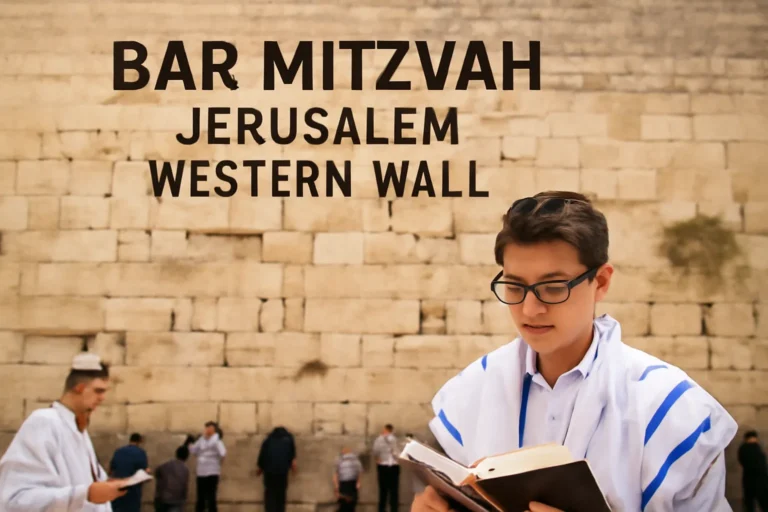
Visit to holy sites: Proximity to Jerusalem’s landmarks, such as the Western Wall, the Temple Mount vicinity, and biblical-era sites, provides a sense of continuity between the Seder’s symbolism and the land’s history.
Chol Hamoed excursions: On intermediate days, excursions may include nature hikes, archaeological sites, and family-friendly expeditions that highlight the landscape described in the Passover narrative.
Food culture and kosher supervision: Kosher for Passover meals reflect a mix of traditional Jewish culinary practices and local Israeli cuisine, offering a chance to taste regional specialties within dietary laws.
Shabbat and holiday rhythms: If Passover overlaps with Shabbat in certain years, you may experience a unique blend of Shabbat and Pesach observance, with appropriate accommodations and flows.
These experiences can be especially meaningful for first-time visitors, long-time Israel travelers, and families looking to deepen their connection to Jewish history and heritage in the context of a modern society. When choosing a program, ask specifically about how the itinerary weaves together ritual life, educational content, and site-based exploration.
Budgeting and timing considerations
Budget considerations are a practical reality for anyone planning a Passover program in Israel. Here are key factors to consider as you plan your trip:
Seasonal pricing: Pesach is a peak travel window, and prices typically rise compared with off-peak periods. Early bookings can secure better rates for accommodations and activities.
Length of stay: Programs often range from 6 to 9 days, with some extending to 10 days or more. Shorter options can be excellent for a compact experience, while longer stays allow for more in-depth exploration.
What’s included: Compare what is included in the base price (meals, Seder, guided tours) versus optional add-ons (private tours, spa services, extra excursions) to gauge overall value.
Flights and airport transfers: Some packages include airport transfers, while others require you to arrange flights and ground transportation separately. Consider total transportation costs when evaluating options.
Cancellation and flexibility: Pesach travel may be affected by last-minute changes in schedules or health considerations. A flexible cancellation policy can be valuable.
All-inclusive vs. à la carte: All-inclusive packages can simplify budgeting, but if you prefer complete control over dining options and activities, an à la carte approach may work better.
Childcare and family pricing: For families, verify how pricing scales with age, what activities are included for children, and whether siblings can share rooms without penalties.
When budgeting, it can be helpful to create a rough cost breakdown: accommodation (per night), meals (per day), Seder and program activities (flat rate or per day), and transportation (group versus private). A well-planned budget helps you avoid surprises and ensures you can enjoy the full experience without financial stress.
Getting around Israel during Passover
During Passover, travel logistics in Israel are generally smooth, but a few practical considerations can improve your experience:
Public transportation: Israel has an efficient bus and rail network that services most major destinations. If your program provides group transportation, this can reduce the need for independent travel logistics.
Private drivers and guides: For tailored experiences or private tours, hiring a private guide or driver can be a convenient way to cover specific sites beyond the group itinerary.
Walking and accessibility: In cities like Jerusalem’s Old City or Tel Aviv’s neighborhoods, walking is a primary mode of transport. Check accessibility and walking distances when planning day trips with children or mobility constraints.
Timezone and jet lag: The time difference and springtime schedules can affect energy levels. Build lighter days around the initial days to help acclimate.
Many programs arrange transportation as part of the package, but if you prefer to explore on your own during Chol Hamoed or after the official program ends, you may want to add spare time for independent visits. Be mindful of holiday hours and site closure schedules around major holy sites, which can affect opening times.
If you are ready to secure a Passover program in Israel, here are practical steps to guide your booking process:
Define your goals: spiritual immersion, family bonding, or cultural exploration.
Set a realistic budget and identify what you prioritize (accommodation quality, meals, number of excursions, or study opportunities).
Research providers: read reviews, verify kosher supervision, and ask for sample itineraries.
Contact the operator with specific questions about dietary needs, seating arrangements for the Seder, accessibility, and language support.
Compare several options across destinations (Jerusalem, Tel Aviv, the Galilee) to understand what each locale offers in terms of experiences and atmosphere.
Confirm Cancellations and Payment terms: understand the deadlines for refunds and any penalties for changes.
Once booked, create a simple packing and preparation list tailored to Passover: ensure you have chametz-removal materials for your room, Passover-friendly cooking tools if needed, appropriate clothing for a range of activities, and any family items you want to bring for Seder participation (children’s Seder kits, for example). A head start on planning helps your trip run smoothly and minimizes last-minute stress during the festival.
Top considerations for a meaningful Pesach in Israel
To maximize the value of a Passover program in Israel, consider these guiding questions as you finalize your choice:
Do you prefer a program that emphasizes study, spiritual practice, or broad sightseeing?
Is the group size important to you for socializing or sense of community?
How important is proximity to sacred sites or to the old city? Is a Jerusalem base essential, or would a coastal or Galilee setting be more appealing?
Are there any dietary restrictions beyond Passover considerations that need to be accommodated?
What is the balance between structured programming and free time?
What kind of post-Pesach extension, if any, would you like (e.g., a post-Pesach tour of a region, or a stay in a different city)?
With these questions in mind, you can select a program that aligns with your expectations for a meaningful, enjoyable, and well-supported Passover experience in Israel.
Frequently asked questions (FAQ)
Here are answers to common questions travelers ask about Passover programs in Israel:
Q: Are all meals strictly kosher for Passover?
A: Yes, most programs provide meals certified or supervised for Passover to meet traditional requirements, though you should confirm the level of supervision and any exceptions for guests with special dietary needs.
Q: Can I join for just a portion of the festival?
A: Some operators offer partial-year options or shorter trips. Check with the provider about flexibility and start/end dates.
Q: What if I travel with kids who are in school during spring break?
A: Look for family-friendly programs with kids’ programming, or consider arranging a separate child-friendly component within the schedule to balance participation in adult activities and family time.
Q: How does transportation between sites work?
A: Many programs offer group transportation, while others may provide optional private tours. Confirm how you’ll travel between major sites and whether this fits your itinerary.
Q: Is tipping included?
A: Tipping practices vary by program and country. Ask about gratuities for staff and guides so you can budget appropriately.
In sum, a well-chosen Passover program in Israel can transform a holiday into a deeply enriching experience, combining spiritual observance, cultural immersion, and the chance to explore a land with profound religious and historical significance. By understanding the different formats, what is included, and what to look for when choosing, you can tailor a Pesach journey that resonates with your family’s traditions and aspirations. Whether you call it a Pesach program in Israel, a Passover vacation package, or a Pesach in Israel, the goal remains the same: to celebrate this sacred festival in a setting that honors the past while engaging with the present in a meaningful and memorable way.
We hope this guide helps you navigate the landscape of Passover programs in Israel with clarity and confidence. If you’d like, you can share your preferred dates, budget, and priorities, and I can help you draft a short list of options that fit your needs and maximize the chances of a successful Pesach journey.