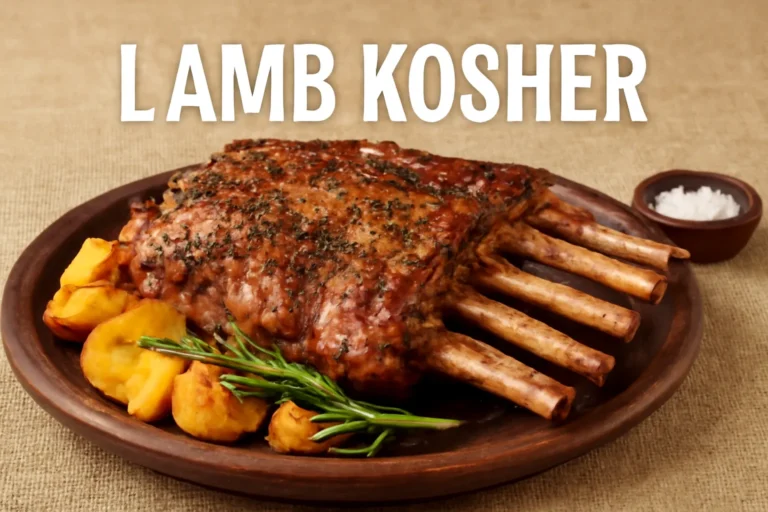
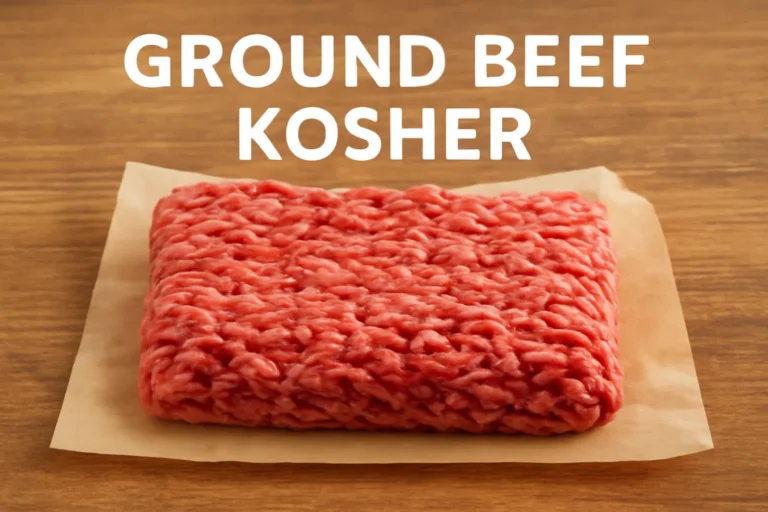
Kosher is a term that many people recognize, but its meaning can feel mysterious to beginners. In essence, the word kosher refers to things that are allowed or fit to eat under kashrut, the set of Jewish dietary laws. This beginner’s guide explains what is kosher, why these rules exist, and how families and individuals practice keeping kosher in daily life. You’ll encounter a careful vocabulary—kashrut, kasher, hechsher, glatt kosher, pareve, and treyf—and you’ll see how the rules shape what people buy, cook, and eat. The goal of this article is to offer a thorough, accessible overview that helps you understand the basics and feel confident reading labels, shopping, and dining in a kosher kitchen or a kosher restaurant.
To begin, kosher is a Hebrew-derived term used to describe foods and food practices that conform to kashrut, the body of Jewish law governing what is permissible to eat. In everyday usage, kosher can refer to a product’s certification, a restaurant’s status, or the overall approach a family takes to food. The laws cover not only which animals may be eaten, but also how animals are slaughtered, how foods are prepared, how different foods are combined, and how a kitchen is organized so that cross-contamination does not occur. In practice, people use the term kosher as a shorthand for a broader system that also includes ethical, ritual, and historical dimensions.
There are several key terms that you will encounter as you learn more about kashrut. Here is a quick glossary to orient you:
Kashrut (also spelled kashrus) — the body of Jewish laws about what is fit for consumption.
Hechsher — a certification mark or symbol indicating that a product or establishment meets kosher standards. The word literally means “approval.”
Kosher foods — items that are allowed to be eaten under kashrut, including meat, dairy, and pareve items.
Pareve — foods that are neutral, not meat or dairy, such as fruits, vegetables, grains, eggs, and fish (subject to other rules like insect checks).
Meat — products that come from land animals with certain characteristics, prepared according to shechita and other rules.
Dairy — products derived from milk or containing milk ingredients, with separate preparation rules from meat.
Glatt kosher — a more stringent standard about the quality of the slaughter and process; it is a term often used in meat markets and restaurants.
Tref — non-kosher; foods that are not permitted under kashrut.
The Core Concepts of Kashrut
What Makes an Animal Kosher?
Central to keeping kosher is knowing which animals are permitted. The Torah outlines that animals must meet two basic criteria to be considered kosher for consumption in the land-mammal category: they must have split hooves and they must chew their cud. There are many details and exceptions in rabbinic interpretation, but the core idea is straightforward: for a land animal to be kosher, it must both split hooves and chew cud. This excludes most types of pork and many other mammals.
In addition to mammals, certain birds are kosher. The traditional list excludes birds of prey and scavengers; generally, many domesticated birds such as chicken, turkey, duck, and goose are kosher when prepared in accordance with the rules. It is important to note that the status of a particular bird can depend on rabbinic interpretation and tradition, so most people rely on a reliable hechsher for poultry products.
Fish are treated differently. The basic requirement for fish is that they have fins and scales. This means that shellfish (shrimp, lobster, clams, etc.) are not kosher, nor are many mollusks. This standard is straightforward for most people, but it’s good to be aware that certain seafood products that appear to resemble fish may fall outside these rules if they do not have both fins and scales.
Insects, on the other hand, are generally not kosher. The vast majority of insects are forbidden as food, and the vast majority of currents in Jewish law do not permit insect consumption. There are some historical and exceptional discussions about locusts in certain communities, but for practical, modern cooking and shopping, insects are not considered kosher for most households.
Along with the rules about animals, there are also categories of foods that require careful handling to remain kosher, even when the ingredients themselves are allowed. For example, products containing meat products require supervision if they were produced using equipment that also processes dairy or Pareve items, and vice versa. The status of a product can change if it includes certain non-kosher ingredients or processing aids, so certification matters in practice.
Slaughter, Blood, and Preparation: Shechita and More
A defining element of kosher meat is the method by which the animal is killed. The process, known as shechita, is a ritual slaughter performed by a trained person following specific blessing and technique. The goal of shechita is to ensure the animal’s suffering is minimized and that the blood is removed from the meat. The prohibition against consuming blood is central in kashrut, so after slaughter the meat must be carefully prepared to extract as much blood as possible. This typically involves soaking, salting, and repeated rinsing—the exact steps can vary by tradition and community.
Because the presence of blood is prohibited, many commercially processed meats undergo a salting process or other methods to ensure that the meat is free of residual blood. These preparation steps are part of the overall koshering process, which can also apply to utensils, pots, pans, and dishes that have come into contact with non-kosher foods.
What About Utensils and Kitchen Equipment?
One of the most practical aspects of kashrut is how a kitchen is organized to avoid cross-contamination. A kosher kitchen commonly uses separate sets of utensils, pots, and dishes for meat and for dairy. The separation between meat and dairy is a central rule in kashrut, known as basar be-chalav (meat and dairy) separation. Even water used for washing or cooking can be carefully managed to prevent mixing. Some households use a strict system with color-coded utensils and dishes; others may use dedicated equipment for dairy, meat, and Pareve items, with different cleansing routines between uses.
When a kitchen adopts a fully kosher practice, it may also include a process called kashering, which is a formal set of steps to render a utensil or appliance kosher after it has been used with non-kosher or meat/dairy foods. Kashering can involve heating, cleaning, and sometimes special immersion processes, and in many communities, it is done under rabbinic supervision. The goal is to restore the equipment to a state that is acceptable for continued use under kashrut.
Meat, Dairy, and Pareve: The Practical Rules You’ll See in Markets and Kitchens
For most people who want to understand and maintain a kosher kitchen, the distinction between meat, dairy, and Pareve is central. Here are the basic categories and how they are typically treated in everyday life.
Meat (Basar): This category includes animals that meet the biblical criteria (split hooves and cud-chewing). Meat products must be prepared and served separately from dairy. In many households, meat products require a waiting period between meals after consuming dairy and vice versa, though the exact duration varies by tradition (Ashkenazi vs. Sephardi, and individual family customs).
Dairy (Chalav): Dairy foods come from milk or dairy ingredients and must be kept separate from meat products. Some people observe a longer or shorter waiting period after consuming dairy before eating meat, depending on their community’s custom.
Pareve (Parve): This is the neutral category. Pareve foods include most fruits and vegetables, grains, eggs, and fish. Pareve foods can be eaten with either meat or dairy, provided that they have not been contaminated by meat or dairy during preparation or processing.
In practice, the divisions translate into practical rules you’ll encounter shopping and cooking:
When you buy packaged foods, you’ll often see a hechsher (a certification mark) indicating that the product complies with kosher standards. Reading the label carefully helps ensure the product is consistent with your practice.
Meat and dairy foods are typically prepared and stored using separate equipment and surfaces. It is common to have distinct appliances, cutting boards, and even dishwashers designated for each category in households that strictly observe kashrut.
In a communal or institutional setting, such as a school or synagogue kitchen, there may be a supervisor or rabbinic authority ensuring that all procedures follow kashrut, including the use of kosher meat, dairy-free products, and careful separation during cleaning and storage.
Certification and Hechsherim: How Kosher Is Verified
Because kosher status depends on adherence to a large and sometimes complex set of rules, many products rely on an external authority to verify compliance. This verification is known as a hechsher, and the symbols you see on packages are an essential guide for consumers who want assurance that a product meets kashrut.
How a Hechsher Works
A hechsher is typically issued by a rabbinic agency or a trusted supervisory organization. The organization may inspect facilities, ingredients, processing lines, and equipment to ensure the product meets the standards of the community it serves. If the product passes inspection, a symbol (the hechsher) is printed on the packaging.
There are many recognized hechsherim around the world, including:
OU (Orthodox Union) — one of the most widely recognizable symbols in North America.
OK (Organized Kashrut Laboratories) — another widely used mark.
Star-K — a prominent hechsher in the United States.
Kof-K — used on many products, often partnered with others for supervision.
CRC — Chicago Rabbinical Council’s certification, common in North America.
Reliance and others — various international organizations with regional reputations.
In addition to these general kosher certifications, there are specialized marks that indicate additional stringencies, such as glatt kosher (a stricter standard of meat inspection) or Chalav Yisrael (milk supervised to ensure it is produced under Jewish supervision). It’s important to recognize that different communities may rely on different standards, so the presence of a hechsher helps guide your decisions based on your personal tradition and expectations.
If you’re new to keeping kosher, setting up a kitchen and a routine can feel daunting. Here are practical steps to help you build a workable practice, whether you’re cooking for a family, hosting guests, or trying out kosher foods for the first time.
Plan a two-kitchen approach or distinct meat and dairy zones. Many households start with a simplified version—separate utensils, cutting boards, and storage areas for meat and dairy products.
Label and separate. Use color-coded containers or labels to keep track of different categories, and avoid cross-use of equipment between meat and dairy unless it has been properly kashered.
Read labels carefully. Look for a reliable hechsher. Be aware that some ingredients or processing aids may affect kosher status (for example, certain emulsifiers or enzymes sourced from non-kosher animals).
Maintain separate cookware for meat and dairy, or plan to kasher items when switching categories. This is especially important for pots, pans, and sinks that may contact the foods directly.
Choose pareve staples to simplify meals. Pareve foods like eggs, fruits, vegetables, grains, and many packaged snacks can be versatile building blocks for meals that don’t require separate meat or dairy preparation.
Out and about. When eating in restaurants or at events, look for a reliable kosher certificate or an explanation of the kitchen’s setup. It’s common to ask questions about supervision, cross-contamination, and whether poultry is koshered under a specific standard.
Special Considerations for Passover
Many households observe additional restrictions during Passover, including avoiding leavened bread (hametz), and sometimes avoiding kitniyot (grains like rice and beans) for Ashkenazi communities. A separate Passover kitchen setup is often used, and cookware may require special preparations or dedicated utensils. If you’re new to the Passover foods, talk to a local rabbi or knowledgeable family member about what is required in your community and how to adapt your kitchen and shopping lists for the holiday.
As you explore the world of kashrut, you’ll likely encounter questions and myths. Here are some common ones, with concise clarifications.
Is kosher food healthier? Not necessarily. The kosher status relates to ritual and legal compliance within Jewish law, not to health benefits. Some products may be healthier or lower in fat for other reasons, but kosher itself does not guarantee health outcomes.
Does kosher mean I can’t eat with non-kosher friends? Not at all. You can share meals with people who do not keep kosher, but you may choose to prepare separate portions or handle food in a way that respects both perspectives. The question of how strictly you observe is personal and cultural.
Is all kosher meat glatt? Glatt kosher is a stricter standard used by some communities, focusing on the quality of the animal’s lungs as inspected after slaughter. It is not universal; many people rely on a standard kosher certification without the glatt designation.
Do all kosher foods come with a hechsher? Most packaged goods designed for a Jewish market carry a hechsher, but not all products that are theoretically kosher are certified. Some foods may be naturally kosher but lack explicit certification, especially in regions with smaller Jewish communities.
Can kosher foods be mixed with non-kosher foods? If the foods are clearly separated, there is no issue. However, if there is any potential cross-contamination (for example, shared utensils or cooking surfaces), you should apply appropriate kashering practices or avoid mixing in the same preparation.
Historical and Cultural Context
The concept of kashrut emerges from Jewish texts that trace back to biblical times and are elaborated in the Talmud and later rabbinic literature. The laws reflect a combination of ritual purity, dietary discipline, and community ethics. Over centuries, these rules evolved as Jewish communities dispersed across the world. Different regions developed distinct customs, reflected in names like Ashkenazi and Sephardi culinary traditions, as well as in variations of how strictly the laws are observed. This historical development shaped how kosher food is produced, certified, and consumed today.
In many communities, the practice of keeping kosher became both a personal spiritual discipline and a cultural expression. For some families, it is a daily routine, while for others it is reserved for specific holidays or life events. The presence of hechsherim and robust networks of kosher butchers, markets, and restaurants has helped make kashrut accessible far beyond the households of observant Jews, contributing to a broader understanding of Jewish dietary traditions in modern society.
Global Variations in Observance
Observance of kashrut varies widely around the world. In Israel, many Jews keep kosher in public institutions and restaurants, often under government or municipal oversight, and the standards can differ by community. In North America and Europe, a variety of supervisory organizations provide certifications that appear on products and in restaurants. In communities with smaller populations, buying and preparing kosher foods can involve more personal supervision and reliance on local rabbis or community organizations.
Regardless of geography, the core concepts remain consistent: the separation of meat and dairy, the proper treatment of animals and their products, and the importance of humane and careful preparation. Variations may occur in the stringency of rules (for example, the degree of scrutiny in meat inspection) and in which foods require certification. Understanding these differences can help you navigate a diverse landscape of kosher foods and kitchens with confidence.
Reading Labels, Shopping, and Dining Out
One practical way to engage with kosher foods is by learning how to read labels and assess products. When you see a hechsher, you are looking at a certificate that indicates the product has been supervised. Some symbols are widely recognized, while others are more specific to a particular country or community. When shopping, you may encounter products labeled kosher dairy, kosher meat, or parve, which tells you how the product fits into the meat-dairy-Pareve framework. If you are new to this, start with straightforward items like fruits, vegetables, dairy products, and packaged snacks that carry a recognized symbol.
Dining out presents its own set of considerations. A kosher restaurant may adhere to a full kashrut program, including separate kitchen areas and supervision by a rabbinic authority, while other venues might offer a more limited interpretation of kosher. It is common to ask about the kitchen layout, whether meat and dairy are kept separate, what kind of supervision is in place, and whether there are specific rules for fish, bread, or Passover accommodations. Even among highly certified establishments, rules can vary, so asking thoughtful questions helps set expectations and ensures a positive experience.
Case Studies: Everyday Scenarios
To illustrate how the theory translates into practice, consider a few real-life scenarios you might encounter:
A family prepares a weekly supper that includes pareve main dishes like vegetables and grains, with a meat option on certain nights and dairy alternatives on others. They use separate utensils and cookware for each category and keep the kitchen organized with clear labels. This approach keeps meal planning flexible while maintaining the core rules of basar be-chalav.
A student shops for a dorm room with a small kitchenette. They rely on a few versatile, certified kosher packaged foods, such as pareve soups and cereals, and they use a shared kitchen carefully, keeping separate utensils and washing surfaces between meat and dairy foods, with supervision when needed.
A family hosts guests who observe different levels of kashrut. They offer a baseline kosher spread that is broadly acceptable, along with additional options that meet stricter standards for guests who prefer glatt kosher or other stringencies. In such cases, clear labeling and open communication help everyone feel comfortable.
Conclusion: A Flexible, Living Tradition
Understanding kosher and kashrut invites you into a long-standing and dynamic tradition that has guided Jewish communities for centuries. The rules exist not only to regulate what is eaten but also to shape daily routines, ritual practices, and communal life. While the details can be intricate, the core ideas are accessible: live with intention about what you eat, respect the separation of meat and dairy, ensure proper supervision for processed foods, and maintain hygiene and care in the kitchen. Whether you are curious about the tradition, considering keeping kosher for personal or religious reasons, or simply exploring the language of kashrut, this guide provides a solid foundation for your journey into Jewish dietary laws.