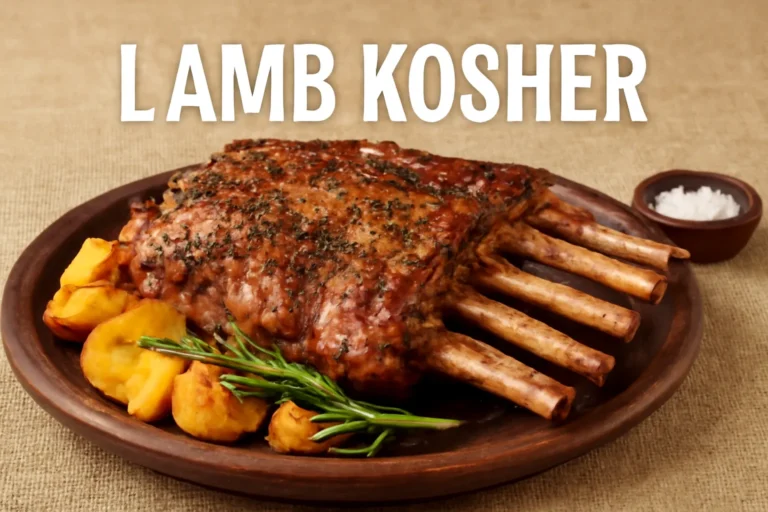
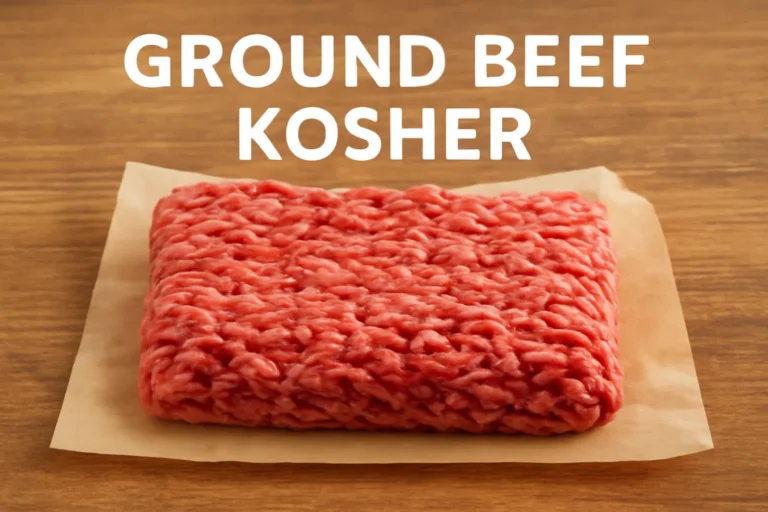
For many families and cooks, kosher sirloin represents a reliable, flavorful option that fits into a busy weeknight dinner or a special Shabbat table. The term can refer to several kosher beef cuts from the loin section, including the top sirloin, bottom sirloin, and related roasts or steaks. This article explores the practical steps of buying kosher sirloin, selecting the right kosher sirloin steak for your purposes, and mastering cooking techniques that respect kashrut rules while delivering delicious results. Whether you are new to kosher cooking or seeking to refine your technique, you’ll find guidance on sourcing, handling, and flavoring kosher sirloin cuts from reputable markets and certified producers.
Understanding kosher beef and the sirloin cut
To appreciate kosher sirloin steak or any kosher sirloin roast, it helps to know where the cut comes from and what makes it kosher. The sirloin region lies along the back of the animal, between the short loin and the round. In a non-kosher kitchen, this area might be treated simply as steak or roast; in a kosher kitchen, the handling and certification add important steps to ensure the meat meets kosher standards:
Shechita and processing: Kosher beef must come from animals slaughtered by a trained professional using the ritual method of shechita, followed by proper inspection and preparation.
Nikud and removal of certain fats and veins: After slaughter, the meat undergoes inspection to remove prohibited fats and specific nerves and blood vessels in accordance with halachic rules. This is part of what distinguishes kosher beef from conventional beef.
Blood removal: Blood is not consumed in kosher practice, so the processing steps are designed to minimize residual blood. Some cuts may be kashered (ritually purged) in the processing plant, and many consumer products carry a hechsher to attest to this.
Certification: Look for a credible kosher certification or hechsher on the package. Certifications vary in stringency (some markets offer glatt kosher options, which indicate a stricter standard regarding lung inspection and some other details).
While the mechanical steps of processing do the heavy lifting, home cooks still play a vital role in how the kosher sirloin ends up on the plate. The goal is to respect both the dietary laws and the cut’s inherent flavor and texture.
Where to buy kosher sirloin and what to look for
Choosing the right source is the first step toward a truly satisfying meal. When you’re shopping for kosher sirloin, consider both the source and the cut’s quality indicators. Here are practical tips to guide your purchase:
Certified markets and butcher shops: Seek out stores with a clear hechsher from a respected rabbinic certification. A reputable kosher butcher or market will typically provide certified beef options and answer questions about the cut and processing.
Labeling and certifications: Read the packaging for the kosher symbol and any notes such as glatt kosher, base kosher, or other designations. These marks indicate the meat has met particular standards, but the exact interpretation can vary by organization.
Cut type and bone presence: Decide whether you want bone-in or boneless sirloin. A boneless top sirloin or bottom sirloin steak is easy to cook quickly, while a bone-in roast can add flavor during roasting or grilling.
Marbling and color: For most sirloin cuts, a moderate amount of marbling (the white streaks of fat within the muscle) generally signals good flavor and juiciness. Look for a bright cherry-red color and firm texture. Avoid meat that looks dull, brownish, or has an off smell.
Thickness and portion size: Consider the thickness you want for your plan. Uniform thickness helps even cooking. Typical steak thickness ranges from 1 inch to 1.5 inches; roasts are usually thicker.
Special variants: If you’re seeking glatt kosher sirloin or a kosher sirloin roast suitable for a holiday meal, ask about the specific product and whether it’s cut for individual portions or larger roasts.
Aside from choosing the cut, you may also explore sirloin roast options that fit a crowd. A well prepared kosher sirloin roast can feed many people with leftovers, especially when paired with flavorful pan juices or a robust gravy.
Preparing to buy: questions to ask your kosher butcher
To make the most informed purchase, don’t hesitate to ask questions. Here are common queries that help you confirm quality and compliance:
Is the product glatt kosher or standard kosher? What does the certification cover for this product?
Was the cut prepared to be kosher-for-meat (basically ensuring no dairy contact) and stored separately from any dairy?
Is the sirloin bone-in or boneless, and what is the weight range per piece?
What kind of aging process does this cut undergo (e.g., wet-aged, dry-aged) and how does this affect flavor and texture?
Are there any recommended cooking methods for this particular sirloin variety, or should I follow a standard approach?
Taking the time to ask these questions not only clarifies what you’re buying but also ensures your kitchen remains compliant with dietary rules while delivering the best possible flavor.
Handling and storing kosher sirloin at home
Proper handling and storage help preserve flavor, texture, and safety. Here are best practices for home cooks working with kosher sirloin:
Immediate refrigeration after purchase keeps the meat in the safe temperature range. If you’re not cooking within 1-2 days, freeze the steak or roast in airtight packaging.
Thawing in the refrigerator is safest for frozen pieces. If you’re in a hurry, a cold-water thaw (sealed to prevent leakage) is acceptable, but plan for a longer cooking time after thawing.
Avoid cross-contamination: Keep meat away from dairy products or dairy utensils, in accordance with meat-dairy separation practices common in kosher kitchens.
Seasoning and marinating: You can use a variety of seasonings, but avoid dairy-based marinades or sauces if cooking meat with dairy separately. Many cooks opt for salt, pepper, garlic, herbs, citrus, olive oil, and kosher-certified spice blends.
Resting after cooking: Allow the meat to rest for a few minutes before slicing to retain juices. A longer rest for roasts helps with even distribution of moisture.
Storing properly also means considering whether you plan to use the leftovers for a meal later in the week. Slice the meat, store in shallow containers with the pan juices, and reheat gently to avoid drying out.
Cooking methods for kosher sirloin
Kosher sirloin steaks and roasts respond well to classic techniques that deliver bold flavor while respecting the cut’s characteristics. Below are several reliable methods, with notes on timing and temperature. You can adapt these to kosher top sirloin, kosher bottom sirloin, or other variations of the sirloin family.
Pan-seared and finished in the oven
Season generously with salt and pepper (and optional kosher-friendly herbs or spice rub).
Preheat a heavy skillet (cast iron is ideal) over medium-high heat with a thin layer of oil.
Sear the steak for 2-3 minutes per side until a rich crust forms.
Transfer the skillet to a preheated oven (400–425°F / 204–218°C) to finish to the desired doneness, typically 3-6 minutes for medium-rare depending on thickness.
Let rest 5-7 minutes before slicing against the grain.
Grilling kosher sirloin steaks
Oil the grill grates or brush the steaks with a small amount of stable oil to prevent sticking.
Grill over direct heat for 4-6 minutes per side for medium-rare to medium, adjusting based on thickness and grill heat.
Move to indirect heat if needed to finish without burning the crust. Always rest before serving.
Roasting a kosher sirloin roast
Season and bring to room temperature for even cooking.
Roast in a preheated oven, typically 375–425°F (190–218°C) depending on size and desired doneness. Use a meat thermometer; aim for an internal temperature around 125–130°F for medium-rare, then rest to reach 130–135°F after carryover cooking.
Slice across the grain for tenderness, and serve with pan drippings or a simple sauce.
Slow cooking and braising concepts (less common with sirloin, but possible)
While sirloin is best known for quick-cook methods, some cooks use low-and-slow techniques for very large kosher sirloin roasts. If you opt for braising, add aromatic vegetables and a flavorful liquid (stock, wine, or a water-based broth) and cook until tender. The result is a juicy, fork-tender piece that still holds flavor after long cooking.
Flavor profiles and seasoning ideas for kosher sirloin
Seasoning plays a key role in elevating kosher sirloin without compromising its natural flavors. Here are evidence-based approaches and flavor profiles that work well with top sirloin and bottom sirloin cuts:
Herb-forward rubs: A mix of garlic, rosemary, thyme, black pepper, and kosher salt creates a fragrant crust on seared or grilled sirloin.
Smoked flavors: A light smoke can complement the beef’s depth. Use wood chips or a smoker at a moderate temperature to avoid over-drying.
Acid and marinade balance: An acid (lemon juice, vinegar, or wine) in a marinade can help tenderize a slightly lean cut without overpowering the beef’s taste. Always ensure no dairy in the marinade when cooking meat with dairy restrictions in place.
Bold finishing sauces: A simple pan sauce using the au jus from the meat, a splash of red wine, and a touch of stock can brighten the plate without heavy dairy components.
Salt management: Kosher salt is often preferable to regular table salt because of its flake size, which makes it easier to control saltiness without over-seasoning the surface.
Remember that kosher sirloin is versatile enough to pair with classic sides like roasted vegetables, mashed potatoes, or a bright green salad. The goal is to maintain balance between the meat’s natural beefiness and the accompanying flavors.
Recipes and flavor ideas to try (kosher sirloin variations)
Here are a few practical recipe concepts you can adapt to kosher top sirloin or kosher bottom sirloin cuts. Each option emphasizes simplicity, respect for kosher guidelines, and maximum taste.
Herb-crusted kosher top sirloin
Combine minced garlic, chopped parsley, rosemary, thyme, kosher salt, black pepper, and olive oil to form a paste.
Pat the top sirloin steak or roast with the paste, coating evenly.
Sear in a hot skillet, then finish in the oven at 400°F (204°C) until the target internal temperature is reached.
Use a dairy-free butter substitute or olive oil with minced garlic and a squeeze of lemon for a quick glaze near the end of cooking.
Finish sous vide or pan-sear to your preferred doneness, then brush with the garlic butter and let rest briefly before slicing.
Smoked kosher sirloin roast with herbs
Season the roast with salt, pepper, and a mix of dried herbs (rosemary, thyme, oregano).
Smoke at a moderate temperature or use a grill with indirect heat to develop a flavorful crust, then move to a hotter zone to finish.
Let rest, carve, and serve with a pan sauce or a light gravy.
These concepts illustrate how to vary the flavor while staying true to kosher practices. They also demonstrate that kosher beef sirloin can be as nuanced and exciting as any other beef cut.
Serving and nutrition considerations
When you’ve finished cooking, the way you present and pair your kosher sirloin matters just as much as the preparation. Here are practical serving tips and nutrition notes:
Resting time: Allow meat to rest for 5-10 minutes after cooking; this helps the juices redistribute and keeps the slices moist.
Slicing technique: Slice against the grain for maximum tenderness. For sirloin, the grain direction can shift along the roast, so identify the grain before slicing to avoid tough bites.
Sauce choices: Keep sauces light and dairy-free if you’re combining them with meat in a traditional kosher meat-and-dairy-separated kitchen.
Nutrition snapshot: Kosher sirloin from the loin is a good source of protein and minerals like iron and zinc. Leaner cuts will have less fat, while marbling enriches flavor but adds calories. Plan portions according to dietary needs and energy goals.
Pair your dish with vegetables, whole grains, or a starch that complements the meat’s texture. A simple roasted vegetable medley or a potato dish can round out the plate nicely.
Common mistakes and myths about kosher sirloin
Even seasoned cooks encounter misconceptions about kosher beef and sirloin. Here are some common myths debunked and practical tips to avoid notable errors:
Reality: The quality of kosher beef and the cooking technique determine the final taste and juiciness. A properly selected piece of kosher sirloin with the right marbling can be incredibly flavorful, especially when seared and rested properly. Don’t assume the meat is bland simply because it’s kosher. Flavor development comes from browning, seasonings, and careful cooking times.
Myth: All sirloin is dry and tough, regardless of kosher status
Reality: Both sirloin cuts and cooking style influence moisture. A well-cared-for kosher top sirloin or kosher bottom sirloin prepared with the above methods and allowed to rest will retain moisture and tenderness. Avoid overcooking by using a meat thermometer and removing the meat at the recommended temperature, then letting it finish via carryover heat.
Myth: Kosher always means more expensive and less convenient
Reality: While certified kosher beef can carry a premium, there are practical ways to fit it into your budget. Buy in larger cuts and portion them yourself, compare options across markets, and plan meals around sales or seasonal offerings. The flexibility of kosher sirloin roasts can support family meals, holiday gatherings, and batch cooking for the week.
Plan ahead: Decide on your cooking method (pan-sear, grill, roast) and thickness; plan the rest time and sauce to avoid rushed cooking.
Choose the right cut for the job: For quick dinners, select a boneless top sirloin steak or a thinly sliced cut. For a larger meal, a sirloin roast can feed a crowd with leftovers.
Temperature control: A meat thermometer is your best friend. Target temperatures help ensure the beef remains juicy and tender without overcooking.
Keep dairy separate: If your kitchen follows strict meat-and-dairy separation, ensure that any sauces, sides, or utensils used with meat remain dairy-free or are prepared in a separate kitchen space when appropriate.
Respect the grain: When slicing, cut across the grain to maximize tenderness for each serving.
Conclusion: celebrating kosher sirloin with confidence
Whether you are shopping for kosher sirloin steak for a weeknight dinner or planning a feast with a kosher sirloin roast, you can achieve exceptional flavor and texture by combining careful selection, proper handling, and thoughtful cooking. The key is to respect the fundamentals of kashrut while embracing the culinary versatility of this cut. By choosing a reputable source with credible kosher certification, you’re setting the stage for a satisfying meal that honors tradition and delivers modern comfort.
As you explore kosher sirloin, remember that the term encompasses a family of cuts designed to satisfy different tastes and occasions. From a quick, seared top sirloin steak to a slow-roasted sirloin roast that feeds a crowd, the sirloin family offers reliable flavor, tender texture, and a pathway to delicious kosher cooking that can be enjoyed by families, guests, and communities alike.