Introduction to Kosher Bison: A Modern Guide to Kosher Meat and Recipes
The topic of kosher bison has grown in popularity as more families explore leaner proteins with distinct flavor profiles while staying true to Jewish dietary laws. This article, Kosher Bison: A Complete Guide to Kosher Meat and Recipes, offers a thorough look at how bison can be prepared, certified, and enjoyed in a way that respects halachic requirements (Jewish law) and culinary traditions. You will find explanations of how bison meat differs from more common beef, what to look for in kosher-certified cuts, and a collection of tested recipes designed to highlight the unique character of bison while maintaining proper kashrut, or kosherness. The goal is to provide a practical, comprehensive, and approachable resource for home cooks, butchers, and kosher kitchens alike.
Understanding kosher guidelines for bison
Bison, also known as American bison, is classified as a land mammal with split hooves and a ruminant digestion. From a kosher perspective, these biological traits matter because the rules governing kosher animals require certain criteria to be met for the meat to be considered permissible for consumption. In practice, this means that kosher bison meat must come from animals that were slaughtered according to shechita, the humane and ritual slaughter performed by a trained, licensed practitioner. It also means that the animal’s blood must be removed entirely, and the meat must pass inspection for any forbidden part or blemish that would render it non-kosher.
The basic steps in making kosher bison cuts edible for observant households begin well before the knife touches the animal. They include:
Certified handling and supervision during slaughter, ensuring that the animal is healthy and fit for ritual compliance.
Inspection of organs and carcass after slaughter to rule out any disqualifying conditions.
Removal of blood through proper soaking and salting or alternative kosher methods to achieve full blood clearance.
Separation of meat and dairy during processing, storage, and cooking, as required by traditional kosher law.
Because bison meat tends to be leaner than many cuts of beef, it often requires careful handling to preserve tenderness while maintaining kosher standards. This lean quality also has culinary implications, which will be explored in the cooking and recipes sections.
Certification and sourcing: finding kosher-approved bison
The cornerstone of cooking with kosher bison is reliable certification. Look for products labeled with a reputable kosher certification symbol (hechsher) and the name of a supervising agency. Some well-known agencies include Orthodox Union (OU), Kof-K, Star-K, and CRC, among others. It’s important to verify that the certification covers the specific product (for example, “kosher bison steaks” or “kosher bison ground”), and that it applies to the production facility across the entire supply chain.
When possible, seek out sources of American bison meat that can provide documentation of:
Farm-to-market traceability, showing the animal’s origin and health status.
Slaughter and processing details aligned with halachic standards.
Storage conditions and transport protocols that prevent cross-contamination with dairy or non-kosher products.
For home cooks, choosing kosher bison fresh cuts from a trusted supplier is often simpler than attempting to source slaughtered meat directly. If you are buying from a local butcher, ask about:
Whether the establishment carries a current hechsher for the product you’re purchasing.
How the cuts are labeled (e.g., “kosher certified brisket” vs. generic “bison brisket”).
Storage and handling guidelines in that store to preserve kosher integrity.
Differences between kosher bison and non-kosher meat
The most apparent distinctions are not just about taste or texture—they are deeply tied to law, tradition, and procedure. Some key points to consider:
Slaughter method for kosher bison is shechita, which must be performed by a trained shochet. Non-kosher meat may be butchered by anyone and does not require ritual supervision.
Blood removal is required in the kosher process, typically involving soaking and salting or other approved methods. In non-kosher meat, blood is not treated under these religious requirements.
Inspection after slaughter is mandatory for kosher meat to ensure there are no disqualifying conditions in the animal or carcass.
Certification and supervision are essential for any product marketed as kosher, whereas non-kosher meat does not carry the same religious labeling standards.
Dairy separation remains an ongoing consideration in kosher kitchens, influencing how you prepare and serve bison—particularly if you cook with butter or dairy sauces.
From a culinary perspective, kosher bison cuts are typically leaner, with less marbling than some premium beef cuts. This means that when cooking, you may want to focus on methods that preserve moisture and tenderness, such as marinating, quick searing with proper rest, or moist-heat techniques for tougher cuts.
Cuts, trimming, and best practices for cooking kosher bison
Because bison meat is naturally lean, choosing the right cut and proper trimming are essential to achieving a satisfying result while staying within kosher guidelines. Here are some practical notes:
Brisket and shank are excellent for long, slow cooking. They can yield deeply flavorful, tender results when prepared with appropriate kosher-approved seasonings and cooking liquids.
Steak cuts (ribeye, sirloin, strip) can be excellent when not overcooked, to preserve moisture and avoid a dry texture inherent in lean meat.
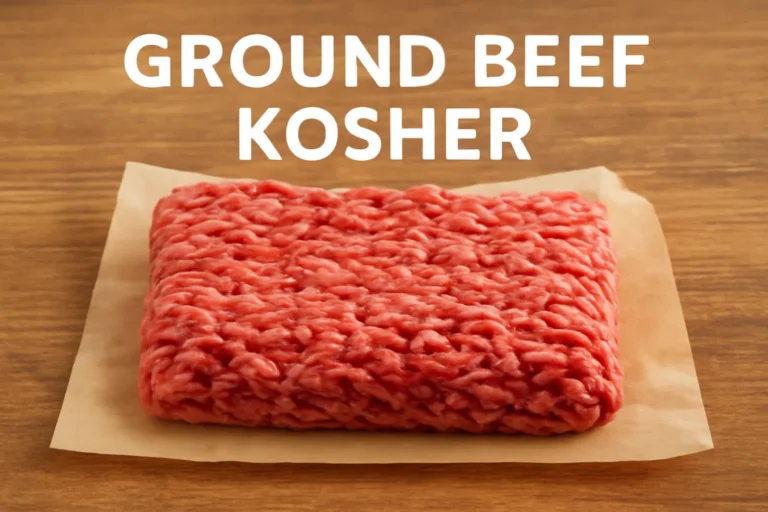
Ground bison is popular for burgers and meatloaf. Keep in mind that lean ground bison can dry out quickly if overworked or overcooked; adding moisture via binding agents or fat in a kosher-friendly form is helpful.
Ribs and short ribs can be used for braises or slow-cooked dishes, yielding a rich, satisfying outcome if given enough time in a covered, kosher kitchen.
For kosher bison salmon or steak-like products, you will want to monitor cooking temperatures closely. A common guideline is to prefer medium-rare to medium doneness for steaks, to preserve juiciness while avoiding toughness. If you’re new to cooking bison, start with shorter cooking times and finish with a rest period to redistribute juices.
Cooking techniques: bringing out the best in kosher bison
The following techniques are especially well-suited to kosher bison meat and their lean, robust flavor profiles. They balance tradition with modern kitchen convenience and are adaptable to both home and professional kitchens.
Pan-searing followed by a brief finish in the oven is a reliable method for steaks and chops. Searing creates a flavorful crust, while the oven prevents overcooking the interior.
Grilling is excellent for summer meals. Use medium-high heat and monitor closely; due to lean meat, avoid prolonged direct heat that could dry the surface.
Roasting a kosher bison roast with aromatics and a thermometer ensures even doneness throughout the cut.
Slow braising with flavorful liquid helps break down connective tissue in tougher cuts, yielding tender braised dishes with a rich mouthfeel.
Moist-heat methods such as stews and chili are well-suited to ground bison or chunks for hearty, comforting meals.
Recipes: tasty, kosher-friendly ways to enjoy bison
Below are several tested recipes that highlight the versatility of kosher bison while keeping within traditional kashrut guidelines. Each recipe includes practical tips for achieving flavor, tenderness, and proper moisture management.
Herb-Roasted Kosher Bison Roast
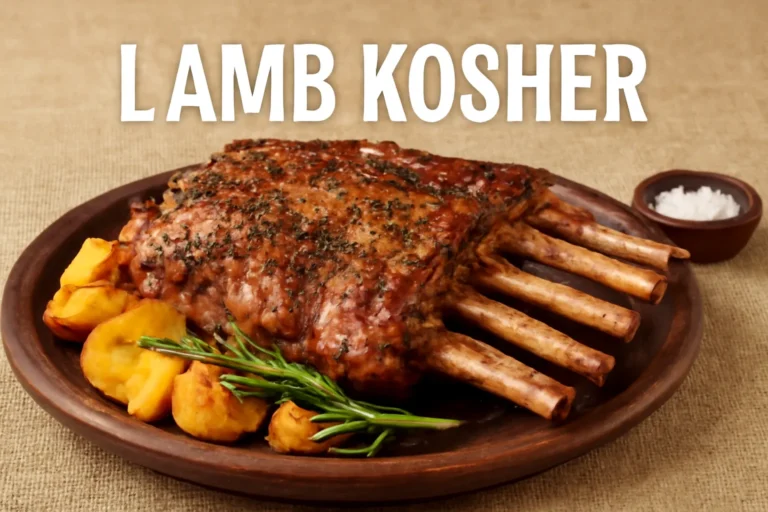
This recipe showcases a classic roasting method that respects the lean character of bison while delivering a juicy interior and a flavorful crust. It works well with a kosher-certified bison roast such as shoulder or chuck.
1.5 to 2.5 kg kosher bison roast
2 tablespoons olive oil
1 tablespoon fresh rosemary, minced
1 tablespoon fresh thyme, minced
3 cloves garlic, minced
Salt and black pepper to taste
Optional: 1 cup beef or vegetable stock (kosher-certified)
Preheat the oven to 325°F (165°C). Pat the meat dry and let it come to room temperature for 20–30 minutes.
Mix olive oil, herbs, garlic, salt, and pepper to form a paste. Rub the paste evenly over the entire roast.
Place the roast on a rack in a roasting pan. If desired, add a splash of kosher stock to the pan to keep the bottom moist.
Roast until a meat thermometer reads about 125–130°F (52–54°C) for medium-rare, or 135°F (57°C) for medium. Time will vary with roast size.
Remove from oven and tent loosely with foil for 15–20 minutes to rest. Slice thinly against the grain and serve with pan juices.
Spiced Bison Burgers with Herb Mayo
Ground kosher bison yields juicy burgers with bold flavor. The lean meat benefits from careful seasoning and a moisture-rich topping.
1 lb (450 g) kosher ground bison
1/2 teaspoon smoked paprika
1/2 teaspoon garlic powder
Salt and pepper to taste
4 hamburger buns (kosher-certified)
Herb mayo: 1/2 cup mayonnaise, 1 tablespoon chopped chives, 1 teaspoon lemon juice
Gently mix ground bison with spices; form into four patties about 3/4-inch thick. Do not overwork the meat to keep burgers tender.
Preheat a grill or skillet over medium-high heat. Cook patties 3–4 minutes per side for medium-rare; adjust to preferred doneness.
Toast buns lightly. Assemble with herb mayo and your favorite kosher toppings (lettuce, tomato, onions).
Slow-Cooked Bison Stew
A hearty, comforting stew is an ideal way to use tougher kosher bison cuts and maximize flavor through long, gentle cooking.
1 cup red wine (optional, must be kosher-certified)
4 cups beef or vegetable stock (kosher)
1 teaspoon dried thyme, 1 bay leaf
Salt and pepper to taste
In a large pot, brown the bison cubes in batches with olive oil. Remove and set aside.
Sauté onion, garlic, carrots, and celery until softened. Return meat to the pot.
Deglaze with red wine (if using). Add stock, thyme, bay leaf, salt, and pepper.
Simmer on low heat or transfer to a slow cooker on low for 6–8 hours, until the meat is tender and the flavors mingle. Remove bay leaf before serving.
Grilled Bison Steaks with Chimichurri
For a brighter, zesty finish, grilled kosher bison steaks with chimichurri offer a modern, vibrant option that preserves juiciness when cooked to medium-rare.
4 kosher bison sirloin or ribeye steaks
2 tablespoons olive oil
Salt and pepper to taste
Chimichurri: 1 cup parsley, 1/2 cup cilantro, 2 cloves garlic, 1/4 cup red wine vinegar, 1/2 cup olive oil, 1/2 teaspoon red pepper flakes
Preheat grill to high heat. Brush steaks with olive oil and season with salt and pepper.
Grill 4–5 minutes per side for medium-rare, adjusting time for thickness. Let rest 5–10 minutes before serving.
Meanwhile, blend chimichurri ingredients until finely chopped but still bright. Spoon over steaks or serve on the side.
Kosher Bison Chili
A robust, warming chili makes great use of ground kosher bison and provides a comforting family meal with minimal fuss.
1 lb kosher ground bison
1 onion, diced
2 cloves garlic, minced
1 bell pepper, chopped
1 can crushed tomatoes (kosher)
2 cups kidney beans (rinsed, kosher)
1–2 tablespoons chili powder, cumin, paprika
Salt and pepper to taste
Sauté onion, garlic, and pepper in a large pot until softened.
Add the ground bison and cook until browned. Break up any chunks for even cooking.
Stir in tomatoes, beans, and spices. Simmer 30–40 minutes, stirring occasionally. Adjust seasoning.
Proper storage and handling are essential for maintaining the kosher status of bison meat, as well as for ensuring safety and quality. Here are practical guidelines:
Storage temperatures: Keep raw kosher bison at 32–40°F (0–4°C) in the refrigerator if planning to use within 2–3 days. For longer storage, freeze at 0°F (-18°C) or below, wrapped to prevent freezer burn.
Thawing: Thaw in the refrigerator overnight or use a controlled, cold-water method in a sealed package. Do not thaw at room temperature.
Cross-contamination: Store meat separately from dairy products and other non-kosher items. Use dedicated utensils, cutting boards, and cookware when handling meat, especially if dairy products are involved in the kitchen.
Marinating and flavoring: If marinating, use kosher-certified ingredients. Do not reuse marinade that has contacted raw meat unless it has been boiled first if you plan to reuse it as a sauce (this is a common kitchen safety practice, though check your certification for any additional guidance).
Shelf life after thawing: Cook thawed meat within 3–4 days if kept refrigerated; otherwise, refreeze if fresh and kept below proper temperatures.
Nutritional profile and health considerations
Kosher bison is a lean source of high-quality protein with a distinctive flavor. Here are some key nutritional insights:
Protein: A typical 3-ounce (85 g) serving of bison provides roughly 22–24 grams of protein, comparable to lean beef.
Fat: Bison generally has less total fat than many beef cuts, especially marbled prime cuts. This makes it a lower-calorie option per serving in many contexts.
Iron and minerals: Bison is a good source of iron and zinc, contributing to daily mineral requirements.
Cholesterol: Leaner cuts may carry lower cholesterol than richer cuts, but consult dietary guidelines and your healthcare provider for personalized advice.
Allergens and kosher considerations: If you have specific dietary needs, ensure all ingredients in prepared dishes comply with kosher rules and any other dietary restrictions you follow.
Kitchen tips for maximizing flavor in kosher bison
A few practical tips can help you get the most flavor and tenderness while staying within kosher guidelines:
Marination with acidic components (like citrus or vinegar) can help tenderize lean bison cuts and add moisture during cooking.
Resting time after cooking is crucial for juicy results. Allow steaks and roasts to rest for 5–15 minutes before slicing.
Low and slow methods work well for tougher cuts, such as shoulder and brisket, producing rich, fork-tender results.
Temperature control is essential; avoid overcooking, which can lead to dryness in lean meat. Use a meat thermometer for accuracy.
Seasoning balance with herbs and spices common in kosher cooking (garlic, paprika, cumin, thyme, rosemary) enhances natural flavors without over-relying on fat.
Frequently asked questions about kosher bison
Can all bison be kosher?
Not automatically. Only kosher-certified bison meat that comes from animals slaughtered and processed under proper supervision, with appropriate blood removal and inspection, qualifies as kosher. Always verify the kosher certification on the product label.
Is bison meat inherently leaner than beef?
Yes. In general, bison meat is leaner than many beef cuts, especially the marbled varieties. This can influence cooking times and methods to prevent dryness.
What are good kosher seasoning options for bison?
Classic kosher-friendly seasonings include garlic, rosemary, thyme, paprika, cumin, black pepper, and kosher salt. For a brighter profile, consider fresh herbs and citrus zest. When using sauces, ensure they carry a kosher certification if you rely on store-bought components.
How should I thaw frozen kosher bison?
The preferred method is a gradual thaw in the refrigerator, allowing the meat to come to temperature evenly. This minimizes moisture loss and helps preserve texture. If time is limited, you can use a cold-water thaw in a sealed package, changing the water periodically to keep it cold.
Practical shopping tips for kosher bison
When shopping for kosher bison, these practical tips can help you choose quality meat:
Look for a current kosher certification symbol that covers the specific product you’re buying.
Choose clear labeling indicating the specific cut and weight, particularly for items like bison brisket or bison stew meat.
Inspect packaging for ice crystals or excess liquid, which can indicate poor handling during transport.
Ask about processing facilities to confirm they adhere to kosher standards and avoid cross-contamination with non-kosher products.
Historical and cultural context
The careful observance of kashrut in meat preparation is a long-standing tradition among Jewish communities. While kosher bison is a relatively newer option compared to traditional beef, it is embraced in many modern kitchens for its clean taste, lean profile, and adaptability to diverse recipes. The availability of certified products allows families to maintain religious dietary guidelines while exploring new flavors and textures.
Conclusion: embracing kosher bison in the kitchen
Kosher bison represents a compelling intersection of tradition and contemporary cooking. By understanding the kosher requirements, recognizing reliable certification, selecting appropriate cuts, and employing thoughtful cooking methods, you can enjoy a wide array of dishes that honor both taste and faith. Whether you are preparing a festive roast, a quick weeknight burger, or a comforting stew, bison can serve as a versatile protein that fits within a kosher kitchen. This guide aims to equip you with practical knowledge, confidence in sourcing, and inspiration for exploring the delicious potential of kosher bison meat.