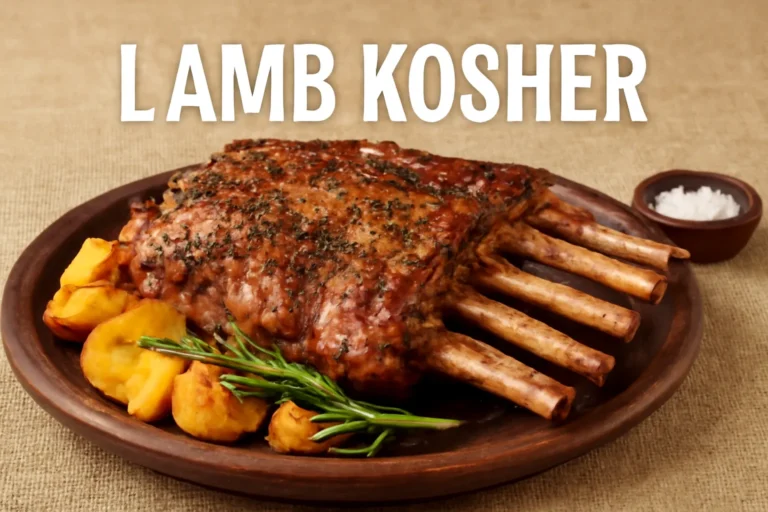
Ground Beef Kosher: A Practical Guide to Certification, Buying Tips, and Cooking Ideas
Whether you are planning weeknight dinners, holiday meals, or simply building a pantry that respects dietary laws, the topic of ground beef kosher deserves clear guidance. This article offers a comprehensive, practical look at how kosher ground beef is produced, how to verify its status, how to shop with confidence, and how to cook it in a way that preserves both flavor and compliance. You will encounter a few variations of the same core idea—kosher-certified ground beef, ground beef kosher, ground beef labeled kosher, kosher beef mince—and learn how to navigate the labels, certifications, and cooking options with ease.
In this guide, you will find:
An overview of what kosher certification means for ground beef
How to distinguish between different levels of certification, including glatt kosher options
Practical tips for selecting, buying, and storing kosher ground beef
Cooking ideas, techniques, and tested recipes that respect kashrut
Common questions and myths about kosher minced beef and related products
Understanding Ground Beef Kosher
At its core, the key difference between ordinary ground beef and ground beef kosher lies in how the animal is slaughtered, how the meat is processed, and how it is supervised from slaughter to store shelf. In practice, ground beef kosher is derived from cows that have been slaughtered in accordance with shechita (kosher slaughter) and then ground and packaged under the supervision of a mashgiach or other authorized rabbinic supervisor. The result is a product that may be labeled as kosher-certified ground beef, indicating that it has met the standards of a recognized kosher certification agency.
Different terms you might encounter include kosher ground beef, ground beef kosher, kosher-certified ground beef, kosher beef mince, and ground beef labeled kosher. While these phrases all point toward the same essential idea—adherence to Jewish dietary laws—there are practical differences in terminology and labeling across brands and certifiers. When a product bears a reliable certification, it carries a seal or mark from a recognized agency, which is your primary assurance that the meat has been produced and processed under kosher guidelines.
It is helpful to understand a few related concepts that frequently appear in conversations about kosher ground beef:
Glatt kosher refers to a stricter standard regarding the lungs of the animal. While not all ground beef kosher is glatt, many consumers prefer glatt-certified products for peace of mind about compliance with strict standards.
Non-kosher equipment contamination risk is a concern if equipment was used to process non-kosher products without proper cleaning and kashering. Certification processes require measures to prevent cross-contamination.
Some products are labeled basar b’chalav or related terms that mix meat with dairy in some markets; for ground beef kosher, you should look for a meat-only, dairy-free context and a credible certification mark.
Certification, Supervision, and What It Means in Practice
A reliable kosher certification implies ongoing supervision from mashgiach services and adherence to a set of standards that cover slaughter, handling, processing, and packaging. The process generally includes:
Choosing animals that meet kosher species requirements and are raised in facilities that avoid non-kosher additives or processing aids.
Ensuring humane slaughter according to shechita and post-slaughter inspections to verify the absence of certain defects.
Preventing contact with non-kosher items and equipment, including through dedicated lines, virtual or physical separation, and strict cleaning protocols.
Maintaining traceability, so each batch can be identified as kosher-certified if a certification agency’s seal is present on the packaging.
For consumers, the practical takeaway is straightforward: when you see a product with a credible kosher certification mark, you have a reason to trust that the product has met the standards. If you are shopping in markets or stores with multiple agencies, you may notice differences in the appearance of seals or logos, but the integrity of the certification is what matters most. If you have questions about a particular label, contact the certifying agency or ask store personnel for details.
When evaluating ground beef certified kosher, consider these factors:
Authority of the certification body (well-known agencies are typically more widely recognized).
Consistency of labeling across the product line and batch verification.
Clear indication of whether the product is glatt kosher or standard kosher, based on your preference.
Product origin and supply chain transparency—where the cattle were raised and how the meat was processed.
Choosing Kosher Ground Beef: What to Look For
When you are standing in the meat department, the choice between different forms of kosher ground beef can be nuanced. Here are practical tips for selecting the right product for your needs, whether you are cooking on a busy weeknight or planning a kosher-friendly feast.
Labeling and Certifications
Look for:
A clear certification mark from a reputable agency on the package.
Explicit mention of the product being kosher-certified ground beef, mince, or ground beef product.
Any descriptors such as glatt kosher (if you prefer the stricter standard).
Minimal ingredient lists (ideally only beef and salt, plus water or other permitted processing aids).
Product Form and Fat Content
Ground beef comes in different fat percentages, and the choice can affect flavor, texture, and cooking behavior, just as with non-kosher ground beef:
94% lean to 90% lean options tend to produce leaner dishes, with less shrinkage and a milder flavor.
80/20 (80% lean, 20% fat) or similar blends yield juicier patties and richer sauces, but require careful cooking to avoid flare-ups and drying out the meat.
Be mindful of any added ingredients—some ground beef kosher products may include salt or other seasonings; check the ingredient list if you have dietary restrictions.
Source and Grade Considerations
In some markets, you may see labels indicating the cattle’s breed or the farm of origin. While these details are not universally required, they can offer additional reassurance to certain shoppers. If available, you may also encounter terminology like certified humane or other labels indicating ethical standards that align with consumer values.
Purchasing kosher ground beef efficiently involves a combination of knowing where to shop, how to compare products, and how to maintain quality from store to table. The core idea is to balance convenience, price, and confidence in the certification.
Specialty kosher markets or markets with dedicated kosher sections often carry a wide range of kosher-certified ground beef.
Major grocery chains can also offer kosher ground beef in their kosher or meat departments, sometimes with multiple agencies’ seals.
Online orders from reputable butchers or certified meat suppliers can provide access to niche options such as glatt kosher ground beef.
Farm-to-table or locally sourced producers may offer kosher slaughter and processing if they coordinate with a supervising agency.
How to Compare Prices and Quality
Compare fat content and price per pound to determine the best value for your intended dish.
Evaluate the packaging date and suggested best-by date to ensure freshness. Fresh kosher ground beef should have minimal odor and a firm, bright-red color.
Consider whether you want ground beef kosher that is ground fresh in-store or pre-formed and packaged. Fresh grinding can affect texture in some recipes.
Shopping for Special Occasions
For holiday meals or events, you might prefer larger packages, better overall value, or a particular level of certification. In these situations, plan ahead, check storage capacity in your freezer, and consider buying extra to allow for trimming and shaping for recipes like kosher meatballs or kosher sliders.
Cooking Ideas and Techniques for Ground Beef Kosher
Cooking with ground beef kosher invites the same culinary possibilities as conventional ground beef, with the added assurance that the meat has been produced under kosher standards. Here are practical techniques to maximize flavor, texture, and compliance in a wide range of dishes.
General Cooking Guidelines
Do not crowd the pan when browning to promote even searing and color development. This helps form a flavorful crust and reduces moisture loss.
Season generously with salt and pepper, and consider adding aromatics such as garlic, onions, paprika, cumin, or chili for depth of flavor.
For lean kosher ground beef, use moisture-boosting techniques such as adding onions, peppers, or tomatoes during cooking, or incorporate a small amount of broth or sauce to enhance juiciness.
When using glatt kosher ground beef, handle gently to preserve texture, especially in delicate recipes like fricassee or certain sauces.
Pan-Frying, Sautéing, and Browning Techniques
For burgers or patties, form the meat gently and avoid overworking the mixture to prevent dense texture. Rest the formed patties before cooking for better surface integrity.
When making meat sauces, crumble the ground beef and brown in batches to ensure even color and better flavor extraction. Deglaze with wine or stock to capture fond.
In chili, stews, or casseroles, sear the meat first, then add liquids and simmer to allow the flavor to concentrate without drying out the meat.
Recipes and Menu Ideas
Kosher Meatballs in tomato-basil sauce served over polenta or pasta, with herbs that complement beef’s natural flavor.
Kosher Sliders with caramelized onions and sharp mustard, ideal for gatherings where small portions are desirable.
Beef Tacos with Kosher Beef—seasoned, crumbled beef with fresh toppings and warm tortillas for a casual dinner.
Kosher Shepherd’s Pie with a rich, beefy base, topped with mashed potatoes and roasted vegetables.
Ground Beef Kosher Chili featuring beans, peppers, and a kick of spice; adjust to your preferred heat level.
Preserving Flavor and Kosher Status: Storage and Safety
Proper storage is essential for safety and quality, especially for ground beef kosher products. Raw meat should be kept at safe temperatures and stored separately from ready-to-eat foods to prevent cross-contamination. When you plan meals, also consider proper thawing and handling practices to maintain kosher integrity and prevent spoilage.
Refrigeration and Freezing
Keep raw kosher ground beef in the coldest part of the refrigerator (generally 38–40°F / 3–4°C) and use within 1–2 days for best quality.
For longer storage, freeze in airtight packaging. Label with date and certification information for easy reference.
Defrost in the refrigerator or use cold water thawing if you need to accelerate the process; avoid thawing at room temperature to minimize bacterial growth.
Handling and Sanitation
Always wash hands, utensils, and surfaces after handling raw meat to prevent cross-contamination with other foods.
Use separate cutting boards for meat and dairy or non-kosher foods to maintain proper separation as required by kosher guidelines.
Cooked kosher ground beef should reach a safe internal temperature (generally 160°F / 71°C) to ensure safety while preserving moisture and flavor.
Common Questions and Myths About Ground Beef Kosher
In the world of kosher food, a few questions come up regularly. Here are concise answers to common inquiries, clarifying misconceptions and offering practical guidance for everyday cooking.
Is all ground beef kosher if it’s labeled kosher?
Not necessarily. While a kosher certification mark is a strong signal, you should verify that the entire supply chain—slaughter, processing, and packaging—was under supervision. Look for the seal of a reputable agency and check product details if you have any concerns about cross-contamination or facility practices.
What does glatt kosher imply for ground beef?
Glatt kosher is a stricter designation referencing lung smoothness in the animal and other stringent standards. Some shoppers prefer glatt-certified ground beef for perceived higher reliability, but many standard kosher products are fully compliant with kashrut laws and meet consumer needs as well.
In traditional kosher practice, meat and dairy are kept separate. Do not mix cooked kosher ground beef with dairy products in the same dish unless a special separation is observed. For most household cooking, this means using separate utensils or following your community’s or family’s guidelines on equipment and serving.
How do I know a brand’s certification is legitimate?
Legitimacy comes from a recognized, established certification agency. Look for a visible mark on the packaging and verify the agency’s name against its official list of certifications. When in doubt, contact the agency or the retailer for documentation and explanations.
Labeling, Sourcing, and Ethical Considerations
Beyond the certification itself, many shoppers care about how their ground beef kosher meat is produced. Choices about sourcing can reflect values such as humane treatment of animals, sustainable farming practices, and clear supply-chain transparency. While these aspects are not strictly mandated by Jewish dietary law for all markets, they can be important to consumers who want to align their purchases with broader ethical standards.
Ethical Sourcing and Certifications
Look for additional certifications such as humane farming labels when they are important to you, alongside the kosher certification.
Some agencies provide assurances about how cattle were raised, fed, and transported. If these details matter to you, inquire with the retailer or producer.
Request documentation or certifications from the supplier if you are preparing meals that require strict compliance or for large events.
Practical Shopping Tips
Plan meals around ground beef kosher products that fit your schedule and budget, while maintaining kosher guidelines.
Use a consistent buying habit—choose a trusted brand or agency and stick with it for predictability and ease of verification.
Share knowledge with family or guests who follow kosher practices to help everyone enjoy meals with confidence.
Conclusion: Making Ground Beef Kosher Practical for Everyday Life
In practice, cooking with ground beef kosher blends culinary versatility with a commitment to dietary standards. Whether you are seeking kosher-certified ground beef for weekly dinners or a special dish for guests who observe kashrut, the core ideas are consistent: look for credible certification, understand the certification scope (whether it is standard kosher or glatt kosher), choose the right fat content for the dish, and follow safe cooking and storage practices. By keeping these principles in mind, you can enjoy a broad range of flavors and textures—from juicy burgers and meat sauces to comforting casseroles and festive menus—without compromising your values or the integrity of the meat you serve.
Remember these practical takeaways when you shop and cook:
Always verify kosher certification on the package and know the certifying agency’s reputation.
Choose the right fat content for your recipe and your desired texture, whether you want lean ground beef kosher to lighten a sauce or a fattier blend for burgers.
Handle raw kosher ground beef with care to prevent cross-contamination, and follow recommended cooking temperatures to ensure safety and flavor.
By integrating certification awareness with practical shopping and cooking strategies, you can confidently include kosher ground beef in a broad range of meals. The goal is to enjoy delicious food while respecting the dietary guidelines that matter to you, your family, or your community. This practical guide to certification, buying tips, and cooking ideas should serve as a reliable reference as you navigate the varied markets for ground beef kosher and related products in your region.