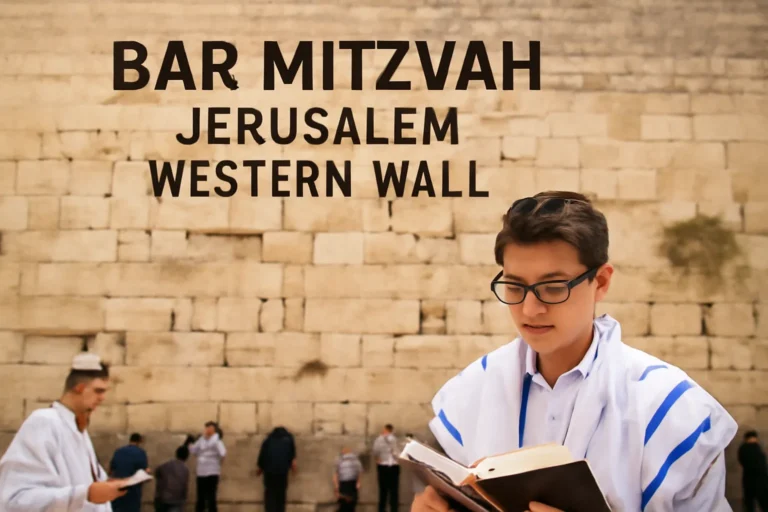
A bat mitzvah at the Kotel, or a Western Wall ceremony, is a deeply meaningful milestone that blends ancient tradition with the personal joy of a young Jewish girl’s coming of age. This guide explores how to plan a respectful, unforgettable bat mitzvah at the Western Wall, with practical steps, ritual options, and cultural context that can help families navigate the process with clarity and intention. Whether you call it a bat mitzvah at the kotel, a Western Wall bat mitzvah, or a Kotel ceremony, the core idea remains the same: a sacred rite of passage carried out at one of Judaism’s most revered sites, surrounded by family, friends, and a sense of timeless prayer.
A bat mitzvah at the Kotel is more than a ceremony; it is a spiritual encounter, a family moment, and an opportunity to connect with Jewish history. The Western Wall, known in Hebrew as the Kotel, stands as a living reminder of Jerusalem’s ancient devotion and continuous Jewish prayer. For many families, hosting a bat mitzvah at the Western Wall offers a chance to honor tradition while acknowledging contemporary life in Israel and around the world.
The experience can vary widely depending on the section used, the rabbinic guidance, and the timing. Some families schedule the event at the Western Wall Plaza, while others arrange a ceremony in the adjacent cardo or in the nearby Old City synagogues before or after visiting the Wall itself. Regardless of the exact arrangement, a Kotel ceremony emphasizes reverence, dignity, and shared joy.
Historical and spiritual context
The Western Wall holds centuries of prayer, hope, and resilience. For thousands of years, Jews have faced this wall to connect with God, to recite scripture, and to seek blessing. A bat mitzvah at the kotel honors that legacy while marking a personal transition from childhood to maturity within the framework of Jewish law and customs.
The Wall sits at the heart of a living city and a living faith, offering a tangible link to biblical history and modern Jewish life.
The site welcomes visitors from many streams of Judaism, though practical norms vary by section and by rabbinic guidance.
For many families, the Western Wall is a place to celebrate with a blend of prayerful solemnity and joyful ceremony.
Planning considerations for a Western Wall ceremony
Planning a bat mitzvah at the Kotel requires thoughtful coordination among family, the chosen rabbi or cantor, and the authorities who manage access to the site. Below, you will find a practical framework to help structure the process from initial concept to a successful day.
Key questions to start with
What is the preferred timing (season, time of day) for the ceremony?
Which section of the Wall is appropriate for the ceremony, and what are the etiquette guidelines?
Who will lead the service and provide the Torah reading or musical elements?
What permissions or registrations are required with the authorities who oversee access to the Western Wall?
What are the practical considerations for family and guests (security, transportation, accommodation)?
The Western Wall is a sacred site with specific rules and security protocols. Planning ahead is essential to ensure a smooth, respectful experience. In many cases, families work with a rabbi who is experienced with the Kotel and can liaise with the authorities to confirm eligibility and arrange the necessary arrangements.
Permits and authorities
Check with your rabbi about required approvals and whether a formal permit or notification is needed for a small ceremony or a larger gathering.
Understand the local guidelines for the women’s section and the men’s section, if you are planning a mixed- or gender-specific ritual.
In some cases, the ceremony may occur in the adjacent plaza or in a nearby synagogue rather than directly on the Wall, depending on security and logistical considerations.
Security and access
Expect security checks and travel time to the site, even for a small group.
Plan for accessibility needs for family members or guests who require mobility accommodations.
Coordinate with your provider about photography, videography, and the placement of guests to minimize disruption to others who are praying.
Timing and scheduling
Sunrise and late-morning slots are popular for the cooler temperatures and more comfortable light for photos, but demand can be high in peak seasons.
Consider the schedule of confessionals and Torah readings; some hours or days may have special restrictions.
Factor in time for security checks, introductions, and any post-ceremony gatherings nearby.
Ritual elements of a bat mitzvah at the kotel
A bat mitzvah at the Kotel can incorporate a variety of ritual elements. The specifics depend on the rabbinic guidance you receive, the preferences of the family, and the particular customs you wish to honor. Below are common components that families often include.
Torah reading options
Aliyah and Torah reading: In traditional settings, a bat mitzvah practitioner reads from the Torah with an aliyah (honor) and a haftarah, or a portion of the weekly Torah reading. If you are planning a ceremony at the Western Wall, you may be able to arrange for a Torah scroll to be brought to the podium or the designated reading area, with a qualified reader and interpreterif needed.
Colloquial reading or parashah skimming: If a full Torah reading is not feasible within the venue rules, some families opt for a shorter reading or a memorial/interpretive reading that honors the portion with prayers and blessings.
Creative or symbolic readings: In some modern ceremonies, families incorporate translations, commentaries, or readings from other sacred texts that reflect the bat mitzvah girl’s learning and values, while ensuring reverence for the site.
Prayer and blessings
Blessings recited over the Torah, wine, or bread, as appropriate to the service style, are usually included with the guidance of a rabbi or cantor.
Consider including a personal dvar Torah (a short talk about the portion, its meaning, and the girl’s personal connection to it) to give a contemporary voice to the ceremony.
For families who observe a less formal structure, a words-of-blessing segment from family members or mentors can be a meaningful addition.
Music and singing
Incorporating traditional prayers with songs in Hebrew or English can enhance the atmosphere. If you plan to bring musicians, verify space and sound requirements with the venue and rabbinic guidance.
Consider hymn-like melodies or piyutim (liturgical poems) that fit the tempo and reverence of the space, while avoiding disruption to other worshippers.
Special customs and alternatives
Some families include a wave of family blessings after the service, or a brief ceremony of gratitude to parents and grandparents.
Alternative ritual moments can include lighting a memorial candle, reciting a personal vow, or sharing a reflection on the meaning of responsibility and service.
Attire, etiquette, and guest experience
The Kotel is a sacred site where modesty and respect are emphasized. The dress code, behavior, and etiquette guide participants and guests to show reverence for the holy space while allowing personal expressions of joy and celebration.
Dress and presentation
Women and girls often wear modest attire—covered shoulders and knees, with sensible shoes for walking and standing for long periods.
Men and boys typically wear respectful attire; a kippah/skullcap is often worn, and some prefer to wear taller hats or tzitzit as part of the ceremony’s dress code.
If you plan to bring a formal dress, consider the terrain and the possibility of climbing stairs or standing for a lengthy duration, and prepare for weather conditions in Jerusalem.
Etiquette and behavior
Avoid loud conversations or disruptive behavior during prayers. Keep noise levels to respect others in the prayer area.
Photography and videography should be coordinated in advance to avoid intruding on worshippers and to respect security requirements.
Respect religious spaces by leaving personal items neatly, discarding trash properly, and following staff directions if requested.
Guest logistics
Provide clear directions and timing to guests, including security checkpoints, meeting points, and accessibility options.
Offer options for light meals or refreshments after the ceremony, if permitted, at nearby venues that are appropriate for a family celebration.
Arrange for translators or bilingual guides if your guests come from diverse backgrounds or require language support.
Family roles and coordination
A successful bat mitzvah at the kotel is often a team effort. Involve your rabbi, family members, and a trusted coordinator or tour operator who understands both the religious and logistical demands of the event.
Rabbi or cantor: Leads the service, guides the Torah reading, and ensures adherence to halachic guidelines as applicable to your tradition.
Family program coordinators: Manage schedules, guest seating, and the sequence of events while keeping lines of communication open with the temple or site staff.
Photography and videography team: Works with the site’s policies to capture memories without interfering with prayer.
Timing the day for maximum meaning
Plan for a pre-ceremony moment of reflection or prayer to begin the day with intention.
Schedule a post-ceremony gathering nearby to celebrate with family and friends, while respecting the site’s rules about noise and timing.
Consider a brief family toast or a moment of gratitude for mentors, grandparents, and teachers who supported the bat mitzvah journey.
Experiential ideas: making the day personal
A Western Wall bat mitzvah can blend tradition with personal storytelling to create a unique and memorable experience. Here are ideas that families often find meaningful.
Personal dvar torah: A short speech about the portion and its relevance to the celebrant’s life.
Torah story integration: Invite attendees to contribute a short blessing or a memory related to Jewish values such as compassion, learning, or responsibility.
Memory book or video tribute: Collect messages from family, friends, and teachers who share how the bat mitzvah girl has grown and what she aspires to contribute to the world.
Pricing, packages, and how to choose a planner
Costs for a bat mitzvah at the Kotel can vary widely depending on the scope of the ceremony, the length of the visit, and ancillary services such as coordination, photography, and translations. When evaluating options, consider the following:
What is included in the package (permits, guide, rabbinic services, music, translation)?
Whether the package includes post-ceremony arrangements such as a reception or a special meal.
The reputation and reliability of the planning team, their experience with the Kotel’s procedures, and their communication responsiveness.
Common questions and myths about the Kotel bat mitzvah
Families often have questions or encounter myths about the logistics of a bat mitzvah at the kotel. Below are some clarifications that can help you plan with confidence.
Do girls read from the Torah at the Western Wall? Yes, depending on the community’s practice and the site’s current regulations. Some ceremonies include a Torah reading with a designated reader, while others use alternative readings or reflections.
Is photography allowed? Photography is typically allowed in designated areas but may be restricted during prayer times or in areas with worshippers. Always coordinate with site staff and your planner.
Can I have a private ceremony at the Wall? Private or small-scale ceremonies are possible with advance planning and permission, though there may be limits on size and logistics in order to preserve the sanctity of the site.
What languages can the service be conducted in? Services are often conducted in Hebrew and English, with translations or bilingual readings as needed. Your rabbi or cantor can advise on the best approach for your group.
Variations and semantic breadth: different ways to describe the event
The concept of a bat mitzvah at the Kotel can be described in several ways to reflect different traditions, audiences, and purposes. Here are some semantic variations that keep the core meaning intact while broadening the language:
Using these variations can help when writing invitations, guides, or family blogs about the event. Regardless of phrasing, the intention remains the same: to honor a girl’s transition into adulthood within a sacred context and to celebrate with family, community, and tradition.
After the ceremony: continuing the experience
The day does not end when the last blessing is spoken. Many families choose to extend the experience with a coordinated lunch or dinner, a private tour of the Old City, or a visit to other holy sites in Jerusalem. The Western Wall is part of a broader spiritual itinerary for many visitors, and a well-planned extension can deepen the meaning of the bat mitzvah at the kotel.
Post-ceremony reflection and sharing
Encourage the celebrant to write a brief reflection on what the day meant and how she sees her responsibilities growing.
Invite guests to share a blessing or memory tied to Jewish values such as learning, service, or community.
Provide a simple keepsake, like a small card or book with the day’s prayers and the portion’s insights, linked to the bat mitzvah girl’s growth.
Sample planning timeline
A well-structured timeline helps ensure nothing is overlooked. Below is a flexible timeline you can adapt to your family’s needs.
12-18 months out: Decide on the concept (which variant of a bat mitzvah at the Kotel), secure a rabbi, and begin researching permissions and logistics.
9-12 months out: Confirm date and time with the Western Wall authorities or coordinating agency; begin arranging travel, accommodations, and transportation for guests.
6-9 months out: Plan the ceremony’s ritual elements (Torah reading, blessings, readings) and discuss language preferences; book a photographer or videographer if desired.
3-6 months out: Finalize guest list and invitations; coordinate attire and etiquette guidance; confirm accessibility needs.
1-2 months out: Reconfirm permissions; review the ceremony’s flow with the rabbi and planners; arrange post-ceremony activities.
Week of: Prepare badges, seating, and communications for guests; pack essentials, including a copy of readings and translations for participants.
Day of: Arrive early for setup; conduct a final rehearsal if possible; ensure everyone knows the schedule and contact points; celebrate responsibly and mindfully.
Conclusion: honoring tradition with intention
A bat mitzvah at the kotel carries a distinctive blend of sacred history and modern family life. It invites a girl to articulate her Jewish identity, while inviting her community to support her growth and learning. By approaching the planning with reverence, clear communication, and practical care, families can create a day that is deeply meaningful, spiritually resonant, and warmly celebratory. Whether you frame the event as a bat mitzvah at the Western Wall, a Kotel ceremony, or a more descriptive title, the heart of the experience remains a personal journey shared within a sacred space.
If you are embarking on this path, remember to lean on your rabbi, speak openly with planners who understand the site’s unique requirements, and keep the celebrant at the center of every decision. With thoughtful preparation, a Western Wall ceremony can become a cherished family memory that translates ancient practice into a living, joyful expression of Jewish identity.