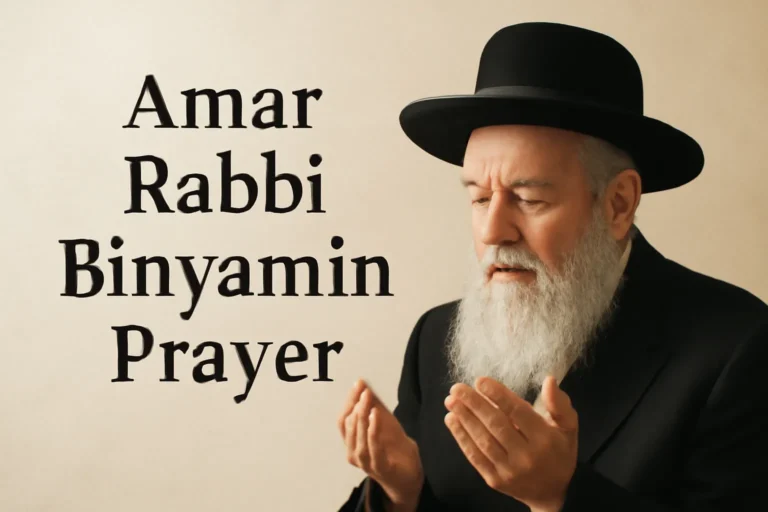
The Blessing of the Torah sits at a crossroads of prayer, study, and communal life in Jewish practice. It is more than a formal formula spoken before a scroll is read; it is a statement about gratitude, covenant, and the continuous relationship between the people and the divine instruction they receive. In many congregations, the moment when the Torah is brought from the ark to be read and the accompanying blessings are recited is among the most solemn, focused, and communal moments of the service. This article explores the meaning, history, and practical recitation procedures surrounding the blessings over the Torah, also variations across traditional communities, and how individuals can engage with this ritual in homes as well as in synagogues.
Meaning and purpose of the Blessing over the Torah
At its core, the Birkat HaTorah is a thanksgiving blessing directed to God for choosing the people and for giving them the Torah as a binding, guiding, and eternal source of ethical instruction. The blessing acknowledges two key elements: the divine selection of the people and the revelation of holy teaching that orients community life. While the exact wording can vary among communities, the essential ideas tend to converge around several core meanings:
Gratitude for being given the Torah and for the opportunity to study and fulfill its commandments.
Gravitas of the moment when the sacred scroll is unveiled and the divine words are read aloud to the community.
Covenantal relationship that ties the people to a tradition transmitted through generations, shaping identity and ethical conduct.
Invitation to study and to participate in a living conversation with the text, rather than a mere static ritual.
Communal responsibility to transmit the Torah to future generations and to interpret it with wisdom and sensitivity.
In practice, the blessings are more than mere words. They signal that the act of reading the Torah is not a private recital but a shared, sacred act that involves the entire assembly. The public dimension matters because the text is received within a community that holds it in common and aims to live by it together. For many, the Torah reading is a moment of reaffirming dedication to learning, memory, and ethical action—an explicit link between ritual form and everyday life.
History of the Blessings over the Torah
The history of the blessings over the Torah is a story of evolution from ancient practice to medieval codification and to diverse modern customs. While the Torah itself sits at the center of biblical and rabbinic life, the precise form and routine of blessing before reading developed as a practice within the rabbinic era and took on many shapes as Jewish communities spread across different lands.
Origins in ancient and rabbinic practice
The Torah’s central place in Jewish life created a natural impulse to acknowledge divine authorship and guidance before engaging with its sacred text. Early rabbinic sources already emphasize the importance of blessings that accompany acts of religious study, reading, and worship. The concept of speaking blessings before performing a holy act—so that the act itself is sanctified and oriented toward God—appears in various forms across tractates of the Talmud. In the context of Torah study and reading, the mood is one of reverence, humility, and gratitude for the opportunity to learn and to be guided by divine wisdom.
Rabbinic codification and the shaping of liturgical practice
Over the centuries, the practice of reciting blessings before reading from the Torah was refined and standardized in many communities. In the medieval period, rabbinic authorities began to codify the practice, incorporating it into the daily and weekly cycle of synagogue life. The two-bracha form before the reading came to be a defining feature of the Torah reading service in many Ashkenazi and Sephardi communities, though the exact text and intonation could vary by locale and tradition. This period also saw the emergence of printed prayer books (siddurim) that helped disseminate standardized wording and order, making the blessing process more uniform while leaving room for regional variation.
Medieval to modern transitions
In the medieval and early modern periods, as Jewish communities interacted with new cultures and languages, commentators and poets wrote parallels and alternatives to traditional phrasing, while the essential intention remained the same: to sanctify and acknowledge the Torah before it is read and studied. In contemporary practice, you may encounter:
Ashkenazi formulations that are conservative with wording and musical cadence.
Sephardi and Mizrahi variants with distinct phrases and melodies that reflect their own liturgical heritage.
Chabad-Lubavitch or other Hasidic communities with particular cantillation tunes and emphasis on spiritual interiority.
Home rituals that adapt the blessing to personal study or family learning sessions, sometimes using a printed Chumash or a digital scroll.
How to Recite the Blessings: Practical guidance
Reciting the blessings over the Torah involves a blend of ritual action and spoken formula. The basic framework is widely taught, but the exact practice can vary by tradition. Below is a practical guide to the common approach, with notes on variations and options, so you can understand the flow and the intent behind each step.
Before reading: the standard two blessings (Birkat HaTorah)
In the typical synagogue setting, the moment before the Torah portion is read involves two blessings. The reader or Baal Koreh (the person who reads the Torah aloud) recites the blessings, and the congregation responds with quiet assent. The two blessings acknowledge the divine gift of Torah and request continued guidance as the congregation engages with the text. Although this section describes a common pattern, remember that wording and practice can differ by tradition.
Prepare the scroll and environment: Ensure the Torah is in an honored place, typically in the ark, with a cover as appropriate to the community. The congregation stands if customary, and the reader is ready to begin. A moment of stillness or a short silence can help focus attention on the sacred act that is about to unfold.
First blessing: The reader recites the first blessing, commonly understood as thanking God for choosing the people and for giving them the Torah. In many communities this is spoken aloud, with the congregation responding mentally or verbally as is customary (often with “Amen”).
Second blessing: The reader recites the second blessing, which emphasizes the gift of the Torah itself—its text, its authority, and its role in guiding daily life. This blessing is typically shorter and directly precedes the actual reading of the portion.
Open the scroll and begin reading: After the blessings, the Torah scroll is opened, perhaps with ornate handling, and the reader begins the cantillation and reading of the portion. The act of revealing the scroll is itself a significant moment, signaling that the divine text now engages with the community through human voice.
Notes on variations you may encounter:
Some communities combine the two blessings into a single extended formula, while others maintain distinct lines for each blessing.
In some traditions, the second blessing includes a mention of Torah emet (the Torah of truth) or other descriptive phrases; in others, the wording emphasizes the gift and responsibility of Torah study.
When the service uses a printed chumash or a Scroll with a mock Torah reading, the practice is often adapted; the essential intention—gratitude for Torah and its divine source—remains the same.
After reading: concluding steps and reflections
In standard practice, the recitation of the blessings happens just before the Torah portion is read. After the final verse has been read, the service proceeds with other elements—additional readings, prayers, or the next aliyah. In some communities, a concluding statement or blessing is offered after the Torah portion is completed, while in others, this is not a formal part of the Torah reading itself. Regardless of the precise ritual sequence, the moment of reading invites contemplation of how the Torah’s teachings apply to personal and communal life.
Know your tradition: Check with your local rabbi or prayer book about the exact wording and order used in your community. The guiding principle is respect for the text and the act of study rather than a rigid adherence to a single phrasing.
Say it with proper intent: A blessing should be pronounced with intention and concentration, focusing on the meaning of gratitude and the gift of study.
Pause and listen: Allow a moment after each blessing for the congregation to respond and for the text to be prepared for cantillation.
Respect the scroll: Handle the Torah with care; the moment of opening the scroll is an occasion to pause and reflect on the sanctity of the text.
Variations across traditions: diversity within a shared core
Judaism is not monolithic in its liturgical expressions, and the blessings over the Torah are no exception. Across Ashkenazi, Sephardi, and Mizrahi communities, as well as in Chassidic and modern Orthodox, Reform, and Conservative circles, you can find a spectrum of textual variants, melodies, and ceremonial practices. Yet the core idea remains intact: a blessing that connects the act of Torah reading to gratitude, divine gift, and communal responsibility.
Ashkenazi variations: Typically maintain a two-blessing format with a strong emphasis on gratitude for being chosen and for the Torah’s transmission. The cantillation, tune, and exact transliteration may reflect European or Eastern European influences.
Sephardi and Mizrahi variations: Often display generous phrasing and may include evocative phrases about holiness and revelation. They may also incorporate different melodies and some distinct transliterations that reflect their unique liturgical heritages.
Hasidic and Haredi practices: Tend to emphasize fervor and mystical interpretation, with cantillation and reading styles that align with broader devotional aesthetics of the group.
Modern and Reform approaches: Some communities may use a simplified or gender-inclusive language, and the emphasis may shift toward educational and interpretive engagement with the text rather than ritual repetition alone.
What to do with the Blessings in daily life: home study and communal learning
Beyond the synagogue, the blessings over the Torah can also be part of home study and family learning. In many families, the practice of reading a portion and saying a blessing before the study session fosters a sense of continuity with the ancient tradition and emphasizes that study is a sacred act as well as an intellectual pursuit. For families and individuals who want to bring this practice into daily life, here are some accessible ideas:
Set aside a regular time for Torah study and say the Birkat HaTorah before you begin your reading, even if you are not in a formal synagogue setting. This can deepen reverence for the text and frame study as a covenantal activity.
In homes, use a printed Chumash with translations to help everyone understand what is being read and to connect the blessing with the content of the text.
Encourage children and adults to memorize a simplified version of the blessing or to recite a variation that aligns with their tradition, so long as the procedure remains respectful and meaningful.
If you cannot recite the full blessing in a given setting, consider a brief expression of gratitude and intent to study, tying it to the moment when the Torah is opened or when a portion is studied.
To help navigate the key terms and ideas involved in the Blessing of the Torah, here is a brief glossary of terms you may encounter in shelves of prayer books or discussions with rabbis:
Birkat HaTorah: The Hebrew term for the Blessings over the Torah; usually refers to the two blessings said before reading the Torah portion.
Kriyat HaTorah or Kriat HaTorah: The actual reading of the Torah portion in the service.
Aliyah: The act of being called up to the Torah to read or to honor a portion; often the person who recites the blessing may be the one called for an aliyah.
Baal Koreh: The reader who chants the Torah portion aloud in cantillation for the congregation.
Ark (Aron Hakodesh): The cabinet or case where the Torah scroll is kept; opening the ark is a visual cue preceding the reading.
Chumash: A printed five-book Torah with commentary, often used in home study or congregational settings where a scroll is not readily accessible.
Common questions and clarifications
As with any deeply traditional ritual, questions often arise about the exact practice, language, or sequencing. Here are answers to some frequently asked questions people have when they begin to engage with the Blessing of the Torah:
Can the blessings be said in languages other than Hebrew? Many communities bless in Hebrew to preserve the classical form and cadence, but some contexts permit or encourage translation or transliteration to help participants understand and participate meaningfully. The essential purpose—gratitude to God for the Torah—remains the guiding principle.
What if I am not familiar with the exact words? In such cases, you should consult your local rabbi or cantor. Practically, you can recite a respectful version and follow along with the congregation as they chant or read. The learning process is ongoing, and many people memorize the key phrases over time.
Is it required to recite both blessings before every Torah reading? In most traditional communities, yes, the two blessings precede the reading. Some settings may adapt the exact wording or the number of blessings depending on the occasion (e.g., a special Torah service or a bat mitzvah). Always align with local custom.
What if the Torah is read from a printed book? The same sense of reverence and gratitude applies, though the physical act of opening a scroll is not involved. In such cases, people may still recite the blessings and then read from the printed Torah text (Chumash) with cantillation if available.
A brief reflection: the ongoing meaning of blessing and study
Today, as in generations past, the blessings over the Torah remind communities that the act of study is not merely cognitive activity but a form of spiritual partnership with the divine. The practice encapsulates several enduring values: gratitude for the revelation of Torah, humility before the greatness of the text, and a communal commitment to transmit and illuminate the teachings for future generations. The enduring appeal of the Blessing of the Torah lies not only in its words but in its function: to set aside a moment in the very fabric of the service where people stop, reflect, and recommit themselves to learning, living, and sharing the Torah’s wisdom with others.
Whether you encounter it in a grand urban synagogue, a quiet rural minyan, or a family table at home, the core is the same: a recognition that Torah study is a doorway to ethical life, community cohesion, and a relationship with God that transcends the ordinary rhythms of daily existence. Through the Blessings over the Torah, tradition invites everyone present to participate in an ancient practice that remains vibrant, relevant, and deeply meaningful in every generation.