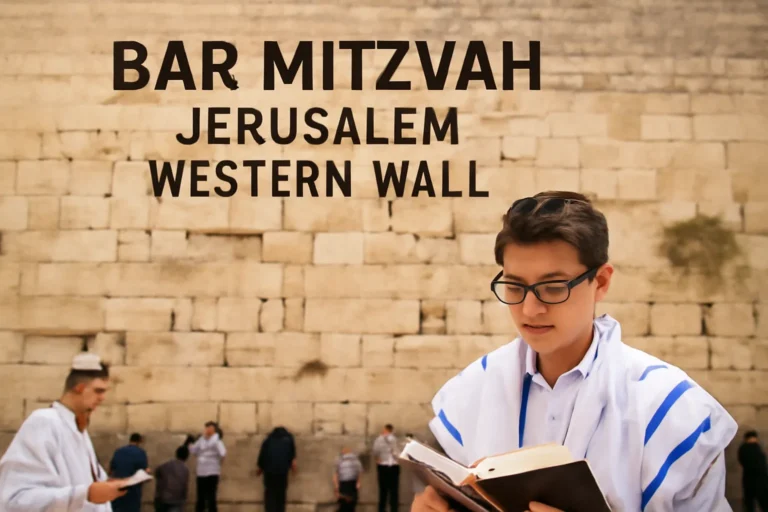
A Bar Mitzvah marks a milestone in a young Jewish boy’s life: the moment when he becomes responsible for his own religious obligations and commands in the synagogue. In parallel with this spiritual transition, many families choose to express the occasion through carefully styled clothing and thoughtful presentation. The right outfit can convey respect for tradition, celebrate the boy’s newfound maturity, and set the tone for a day filled with joy, ceremony, and family celebration. This article offers a broad spectrum of ideas—ranging from traditional attire to modern, fashion-forward looks—to help you navigate the many options for Bar Mitzvah clothes, including how to coordinate comfort, budget, and temple etiquette with style.
Understanding the Dress Code: What Matters Most
When choosing Bar Mitzvah clothes, several principles hold true across communities. The most important are respect for the ritual space, comfort during a long day, and age-appropriate presentation. Families often balance:
Location and synagogue expectations (some synagogues prefer conservative attire; others are more relaxed after the ceremony).
Season and climate (summer services may benefit from lighter fabrics; winter events favor layers).
Personal style while keeping a cohesive family look.
Budget and practicality (rental options, second-hand finds, and tailoring can stretch finances without sacrificing style).
The resulting ensemble can range from timeless, conservative looks to polished, contemporary outfits, and even semi-formal or black-tie elements for celebratory evenings. The key is to align the outfit with the boy’s personality, the family’s traditions, and the family’s plan for the day.
Variations of Bar Mitzvah Clothes: A Spectrum of Styles
To broaden semantic breadth, consider the major stylistic tracks you might explore. Each track can be adapted to different comfort levels, budgets, and cultural expectations.
Traditional Conservative Look
The classic Bar Mitzvah suit is a cornerstone for many families. A dark, well-cut suit—navy, charcoal, or black—paired with a crisp white shirt and a subdued tie creates a timeless silhouette that photographs beautifully and respects the sanctity of the service. Accessories stay understated to avoid overpowering the wearer’s age and significance.
Colors: Navy, Charcoal, Black
Shirt: White dress shirt with a clean collar
Tie: Solid or matte patterned tie in a muted tone
Shoes: Polished black leather oxfords or dress loafers
Modern Semi-Formal Look
For families who want a contemporary edge without stepping too far from tradition, a neatly tailored blazer and trousers combination can be ideal. This look blends ease of movement with a sense of ceremony, especially when the color palette remains coherent with the event’s tone.
Blazer: Navy or charcoal with a coordinating trouser
Shirt: Light blue or white shirt to soften the formality
Accessories: Belt that matches shoes, non-shiny tie or even no tie for a relaxed vibe
Traditional Yet Festive: The Tuxedo Option
Some families opt for a tuxedo for the Bar Mitzvah evening celebration or a formal reception thereafter. A tuxedo is a strong signal of a milestone event and can feel especially special for the young man. If choosing a tuxedo, consider fit, comfort, and the event timeline to ensure the garment remains flattering and practical throughout the day.
Shirt: White formal shirt with a pleated bib or simple front
Accessories: Tuxedo studs, bow tie, and polished patent leather shoes
Colorful and Individual: Festive but Polished
Not all Bar Mitzvah outfits must be somber. A wardrobe that incorporates rich jewel tones or soft pastel accents can celebrate the occasion while remaining tasteful. The key is to maintain balance: choose one bold element and keep other pieces understated.
Jacket or vest in a bold color (e.g., emerald, burgundy) paired with neutral trousers
Colors should harmonize with family photos and the venue’s decor
Avoid loud patterns that distract from the ceremony
Casual Yet Respectful: Smart-Casual and Daytime Events
If the Bar Mitzvah is held in a more relaxed setting or during the daytime, a smart-casual approach can be both comfortable and stylish. Think well-cut chinos or dress slacks with a collared shirt, possibly layered with a light sweater or smart jacket.
Shirt: Open collar or with a loose knot tie
Pants: Chinos or lightweight wool blends
Footwear: Loafers or designed sneakers in a clean, minimal style
Religious Garment Integration: Tallit and Kippah
A Bar Mitzvah is not just about the clothing—it is about stepping into Jewish adulthood, which often includes wearing religious garments. For many boys, wearing a tallit is a meaningful part of the ceremony. A tallit gadol (the larger prayer shawl worn over the shoulders) may be worn during the service, while a tallit katan (a small fringed garment worn under the shirt) is typically worn all day. The style and color of the tallit should harmonize with the outfit: avoid ultra-bright patterns that clash with the formal setting. A kippah or yarmulke is a sign of respect and tradition, and a well-fitted crown or buttoned kippah can finish the look with dignity.
Coordinate tallit colors with the suit or blazer
Choose a kippah that fits securely and comfortably
Discuss tallit usage with the rabbi or synagogue leadership if there are specific guidelines
Key Outfit Staples: What to Buy or Rent
Whether you’re shopping for new clothing, renting, or borrowing from family, certain staples make the process smoother and the outcome more cohesive.
Suit or blazer that fits through the shoulders and chest with a little room to grow
Shirt with a crisp collar; consider a non-iron cotton for minimal wrinkle management
Tie or bow tie in a complementary tone; have a spare in case of last-minute stains
Shoes that are comfortable and well-polished—start breaking them in weeks before the event
Socks that match the trousers and do not show above the shoe line
A belt that matches the shoe color for a unified look
Tallit or tallit katan options, if included in the ceremony
Color Palettes and Fabric Choices
The fabric and color palette set the mood of the outfit. Fabrics range from wool suiting for structure to linen blends for breathability in warm weather. The color palette should reflect the season, the formality of the event, and the family’s style. Below are practical ideas to guide selection.
Winter and fall: charcoal, navy, or black wool suits with a white shirt
Spring and summer: lighter fabrics such as luxe cotton blends or lightweight wool, with pale shirts
Accent colors: deep blues, forest greens, burgundies, and muted metallics for ties or pocket squares
Patterns: subtle pinstripes or micro-checks can add dimension without overwhelming the look
Practical Tips: Comfort, Fit, and Confidence
A successful Bar Mitzvah outfit is not just about appearance—it’s about how the wearer feels. Comfort and fit directly influence confidence, behavior during the ceremony, and the ability to enjoy the celebration with family and friends.
Fit first: choose garments that fit well in the shoulders, waist, and sleeve length. A tailor can adjust sleeve length, trouser length, and waist for an impeccable fit.
Layering: plan layers so that the boy can shed a blazer or sweater if the service is warm, while staying respectful in the ceremony.
Layer colors: keep inner layers lighter to avoid sweat-through issues and ensure the outer layer looks crisp.
Shoes comfort: break in new dress shoes two to three weeks before the event and wear them for short sessions first.
Budget-Smart Paths: Buying, Renting, and Borrowing
A Bar Mitzvah can be financially significant, so many families opt for thoughtful budgeting strategies. There are several viable routes to achieve a stylish, respectful look without overspending.
Renting a high-quality suit or tuxedo for the day or weekend can reduce cost and storage needs.
Second-hand or consignments stores often carry almost-new suits at a fraction of the price.
Mix-and-match with a new shirt and accessories while reusing a family blazer or favorite tie.
Tailored basics: invest in one well-made suit and keep it for future occasions (graduations, weddings, other celebrations).
Shopping Timeline: A Practical Schedule
Planning ahead helps ensure there is time for fittings, alterations, and styling decisions. A typical timeline might look like this:
Three to six months before: decide the overall style direction and begin budget planning.
Two to three months before: start shopping for the main pieces; book tailoring appointments.
Six weeks before: confirm tallit, kippah, and any religious garment considerations with the synagogue.
Four weeks before: schedule final fittings and order any special accessories (belt, tie, pocket square).
Two weeks before: last-minute adjustments and rehearsals in the chosen attire to ensure comfort during the ceremony.
Etiquette and Family Coordination: Making It a Cohesive Day
The Bar Mitzvah is a family milestone, and coordinating outfits can help create a cohesive, photogenic day. Consider a light, coordinating approach rather than a uniform dress code for the entire family.
Coordinate color families (cool tones with cool tones, warm tones with warm tones) to ensure family photos look harmonious.
Avoid clashes with the rabbi’s robes, the synagogue’s carpeting, or the event’s decor.
Consistent formality across family members creates a polished look in photos and on video.
Special Considerations: Body Types, Age, and Personal Style
Bar Mitzvah clothes should honor the boy’s individuality without compromising the ceremony’s decorum. Consider his body type and comfort preferences when choosing textures, cuts, and colors.
Slim or athletic builds: look for structured blazers with a modern silhouette and a bit of taper, to avoid overpowering a small frame
Long-torso or shorter height: ensure the jacket length sits well on the hips and sleeves end just at the wrist bone
Comfort-first approach: if the boy dislikes tight collars, choose a shirt with a roomier fit or consider a roll-tab sleeve for ease of movement during dancing and photos
Frequently Asked Questions (FAQs)
What color should a Bar Mitzvah boy wear?
There is no single rule. Traditional families lean toward neutral, classic colors such as navy, charcoal, or black. Others embrace soft blues, burgundy, or emerald accents for a festive touch. The color choice should respect the synagogue’s tone and the family’s preferences.
Is a tie always required?
Not always. Some boys prefer a neat shirt with no tie for comfort, while others opt for a knot tie or bow tie to elevate the look. If the ceremony is formal, a tie or bow tie is a good idea; if it is more casual, a smart collar without a tie may be perfectly acceptable, depending on the venue.
What about shoes and socks?
Shoes should be polished and comfortable, with socks matching the trousers and designed to stay in place during long services and celebrations. Avoid novelty socks that distract from the overall ensemble.
Should the tallit be incorporated into the outfit?
The tallit is a meaningful part of the ceremony for many families. If you plan to wear a tallit, coordinate its color and pattern with the suit or blazer. Talk to the rabbi or synagogue leadership if there are any customs or restrictions about when to begin wearing the tallit.
Putting It All Together: Example Outfits by Scenario
Example A: Timeless Ceremony Look
For a traditional service, consider a charcoal suit with a crisp white shirt, a deep blue or charcoal tie, black leather oxfords, and a matching belt. If wearing a tallit, drape it with care. Add a subtle pocket square for a refined finish.
For an evening reception, a navy blazer paired with gray slacks, a light blue shirt, and a tie with a very light print can be striking yet restrained. Finish with polished loafers and a belt-to-shoe match.
A burgundy vest over a white shirt with charcoal trousers, plus dark brown shoes, provides warmth and celebration without overpowering the ceremony.
The Day After: Photo Ops, Outfits, and Memories
The Bar Mitzvah day often includes multiple events—ceremony, banquet, and family photos. You may want to have a second outfit for the reception or photos that requires less movement but keeps the same level of dignity. A clean, coordinated wardrobe swap helps ensure photos reflect the day’s significance while offering comfort for dancing and socializing.
Plan for photo readiness with a slightly different lighting backdrop so the outfit reads well on camera
Bring a spare shirt or light sweater in case the venue is chilly
Assign a trusted monitor (family member or tailor) to help with quick adjustments between events
The most important aspect of Bar Mitzvah clothes is respect for the ceremony and for the boy who is stepping into adulthood. While there is room for style variation, the outfits should reflect the dignity of the day and the warmth of family celebration. With thoughtful planning, you can create a look that is timeless, comfortable, and personal—a fitting tribute to a momentous life transition.