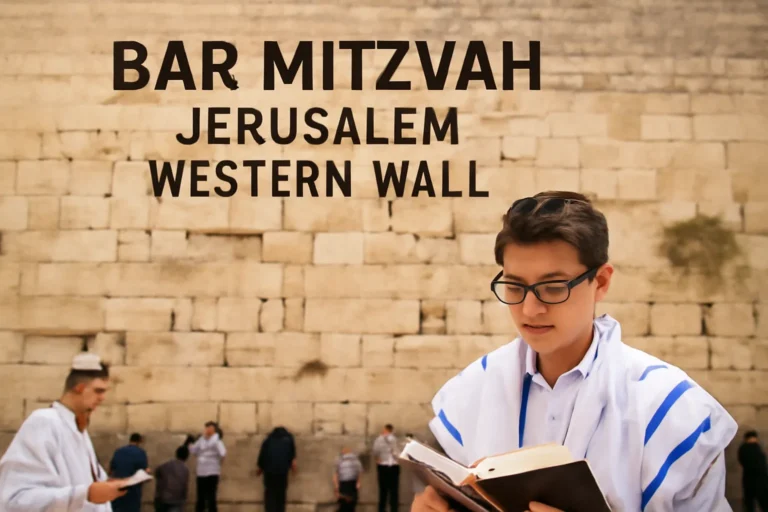
Attending a bat mitzvah service is a meaningful moment in a young person’s life, and your attire should reflect both the celebratory tone and the respectful setting of the ceremony.
Whether you’re a longtime friend of the family or a distant relative, understanding the dress code
for such an occasion helps everyone feel comfortable and allows the focus to stay on the ceremony and the
young person’s milestone.
Understanding the context: what makes bat mitzvah attire unique
A bat mitzvah marks a girl’s entry into adulthood in the Jewish tradition. The service itself may be
traditional, reform, conservative, or egalitarian, and the venue can range from a formal synagogue to a
community temple, or even a private ceremony at home or in a community space. Because these services
can vary widely in tone, it is wise to gather a little context before choosing what to wear.
In many communities, the clothing you wear to a bat mitzvah service is less about
fashion trends and more about modesty, respect, and comfort. The goal is a look that is neat, polished,
and appropriate for a house of worship while still allowing the guest to be at ease for a potentially long
service and reception. With that in mind, you can start with core principles and tailor your outfit to the
specific event you are attending.
General dress code principles for guests
Think of these as universal guidelines that apply to most bat mitzvah services, regardless of the denomination:
Modesty is key. Choose outfits that aren’t overly tight or revealing, with sleeves or modest necklines.
Respect for the setting means avoiding casual wear that might feel out of place in a sacred space.
Comfort matters. A ceremony can last an hour or more, and you may stand or sit for portions of it.
Seasonal appropriateness should be balanced with decorum. Light fabrics in warm weather can be acceptable if styled properly.
Practical footwear is important, especially if you may be standing, walking on carpeted aisles, or navigating stairs.
Respect, modesty, and comfort
The way you present yourself communicates respect for the family and the community hosting the event. For many
families, modesty and a neat silhouette convey that respect without distracting from the child’s moment. Comfort helps you participate fully—whether you’re toward the front, singing along, or escorting a child from the
bimah to the reception.
Because bat mitzvahs occur in a range of places and may follow different customs, it helps to think about the
specific context when planning your outfit. Below are broad guidelines with variations you might encounter.
Conservative or Orthodox services
In more conservative or Orthodox communities, modest dress is especially important, and there may be
expectations about head coverings for men (and sometimes for women, depending on the community). A typical guest
outfit might include:
For women: a knee-length to tea-length dress or a dress with a modest neckline and sleeves (cap sleeves
or longer). Optional but often appreciated: a light cardigan or shawl for coverage in the sanctuary. Avoid
strapless or sheer outfits that reveal too much skin; consider pairing a skirt with a dressy blouse for a more conservative look.
For men: a collared shirt with a blazer or suit jacket, dress pants, and dress shoes.
A tie is common but not always required depending on formality. Don’t forget a kippah (yarmulke);
bring one if you’re not sure whether the ceremony expects head coverings, or check with the family in advance.
Conservative, Reform, and egalitarian services
In Reform, Conservative, and many egalitarian congregations, the dress code tends to be a bit more relaxed while
still keeping a sense of occasion. You can aim for polished, tasteful outfits that are comfortable to wear for a few
hours. Examples:
For women: A modest dress or a dressy blouse with a skirt or trousers; a jumpsuit can be an elegant option.
Choose fabrics that drape well and avoid anything overly flashy or distracting.
For men: A suit or blazer with dress pants and a collared shirt. A tie is optional depending on the venue
and the invitation; some families prefer business-casual elegance rather than a full suit.
Non-denominational or community-based services
Some bat mitzvahs are hosted in community centers or private venues and follow a more casual convention.
For these settings, you can lean toward smart-casual while maintaining respect for the sanctity of the ceremony.
Colors, fabrics, and styles
Color and fabric choices can subtly signal the tone of the event. Here are practical notes you can apply:
Solid colors or gentle prints are often ideal for a formal service; bold patterns are not inherently inappropriate, but they can draw attention away from the honoree if overly loud.
Dark neutrals like navy, charcoal, or charcoal-gray convey formality and timelessness; they pair well with a wide range of accessories.
Pastels and jewel tones can be lovely for spring or summer events and can look festive without being flashy.
Fabrics: choose wrinkle-resistant wools, crepes, satins, chiffons, or blends that look refined without appearing overly casual.
Avoid overly casual fabrics like denim, athletic materials, or anything with sports branding, unless the invitation explicitly states casual attire.
Seasonal and venue considerations
The time of day and season often influence what is comfortable and appropriate. A daytime Saturday service in the
summer may call for lighter fabrics, while a winter evening service benefits from richer textures. Some venues are
more restrictive about colors inside a sacred space, while others may allow brighter outfits. Consider:
Evening services often allow for a dressier appearance, with darker fabrics and more formal silhouettes.
Daytime services may favor lighter hues and softer fabrics while maintaining a respectful posture.
Temple interiors can be cool, so a light cardigan or shawl is practical even if you wear a dress or a suit jacket.
Outdoor receptions still require an elevated look that doesn’t neglect modesty or practicality.
Specific outfit suggestions: by gender and preference
These are concrete templates you can adapt, depending on your personal style and the event’s expectations.
Women
A knee-length or midi dress with sleeves (short or three-quarter) paired with a cardigan or lightweight blazer
A dressy skirt or tailored pants with a refined blouse; add a statement belt or delicate jewelry for polish
A jumpsuit in a solid color or subtle pattern, with modest necklines and appropriate coverage for shoulders
Footwear: polished flats, block-heeled shoes, or closed-toe pumps; avoid ultra-high heels that may be uncomfortable to stand in
Men
A well-cut suit with dress shirt and a tie; color can be classic navy, gray, or charcoal
If the invitation is more casual: a blazer with dress pants and a collared shirt; consider a tie if the formality is higher
Footwear: leather dress shoes; ensure laces are neat and shoes are clean
Nonbinary and gender-nonconforming guests
Many bat mitzvah celebrations welcome guests of all gender expressions. You can choose silhouettes that feel
authentic to you while aligning with the event’s formality. Options include tailored pantsuits, boxy dresses with
modest hemlines, or kimonos and other respectful, dressy garments. The key is to keep the look cohesive, respectful,
and comfortable for the ceremony length.
In many Jewish communities, a kippah (yarmulke) is worn by men in synagogue as a sign of respect. Some women may choose to wear one as well,
depending on tradition. When in doubt:
Check the invitation or ask the family if head coverings are expected for guests
Bring your own kippah if you are unsure, or be prepared to borrow one at the venue
Note that in most non-Orthodox settings, it is acceptable to remove the head covering during certain parts of the service or if you are more comfortable without it
Practical style tips and planning steps
Getting ready for a bat mitzvah service can be a matter of careful planning. Here are practical steps to help you
choose an outfit with confidence.
Read the invitation carefully for any dress code notes or clues about formality
Consider the venue: synagogue dress codes can differ from community centers or private spaces
Assess the time of day and season to pick fabrics that are comfortable while remaining elegant
Choose a simple, well-fitted base outfit and add accessories that elevate the look without overpowering it
Coordinate with a companion, if attending with others, to avoid clashing outfits while preserving individuality
Accessorizing for a bat mitzvah
Accessories should enhance your outfit, not dominate it. Here are guidelines to help you accessorize tastefully:
Jewelry: Opt for classic pieces—pearls, small studs, a delicate bracelet. Avoid overly flashy or noisy jewelry that could distract during readings or songs.
Scarves and wraps: A lightweight scarf or shawl can add modesty and color; it also helps in a cooler sanctuary.
Bags: Choose a compact clutch or a small purse; large totes can be distracting in a service setting.
Belts and tailoring: A well-placed belt can define a silhouette; ensure it works with your overall look and doesn’t pinch or restrict movement.
What not to wear: sensitive topics and style missteps to avoid
To ensure you are respectful and comfortable, steer clear of certain choices that might inadvertently feel inappropriate or distracting in a bat mitzvah service:
Casual fabrics like denim, athletic wear, or overly casual knits
Revealing outfits with plunging necklines, cropped lengths, or sheer panels unless the event explicitly states casual attire
Graphic prints or logos that draw attention away from the honoree
Overly loud color combos or extremely sequined outfits that could be distracting during solemn moments
What to wear to a bat mitzvah service: budget-friendly and luxury options
Dressing for a bat mitzvah service doesn’t have to be extravagant. You can assemble a polished look on a budget, or you can invest
in a more luxurious outfit for a particularly formal or meaningful event. A few ideas:
Budget-friendly: A midi dress or a blazer paired with dress pants; look for sales, versatile pieces, and color-coordinated accessories.
Moderately priced: A tailored suit or a high-quality dress with refined fabrics (crepe, satin, or wool-blend) adds a refined edge without breaking the bank.
Statement options: A single elegant accessory—a silk scarf, a bold pair of earrings, or a textured jacket—can elevate a simpler base outfit.
Seasonal style ideas: sample outfits you can borrow or adapt
Sometimes it helps to imagine concrete outfits. Here are a few sample ensembles you can adapt to your preferences and the event’s formality:
: A knee-length queen-ankle dress in a soft pastel with a light cardigan and closed-toe pumps
: A modest sleeved dress in a breathable fabric like cotton blend, paired with wedges and a shawl
: A tailored pantsuit or a midi dress with a blazer and ankle boots
: A wool-blend dress with sleeves and a coordinating coat, plus heeled ankle boots
Where to shop for bat mitzvah guest attire
If you are shopping specifically for a bat mitzvah, you can consider stores that offer modest, classic styles, as well as
rental options for formalwear. Options include:
Rental services for suits and dresses to achieve a formal look without long-term commitment
Online retailers with filters for modest necklines and sleeve lengths
Etiquette and communication: asking about dress expectations
If you’re unsure about the appropriate attire, it’s perfectly acceptable to reach out to the family or the event
organizer for guidance. A simple, respectful message can save you from guessing. You might say:
“Could you share the expected dress code for the bat mitzvah service?”
“Is a suit or dress preferred for the service, or is a more casual approach acceptable at your venue?”
“Are there any considerations regarding head coverings that guests should be aware of?”
FAQ: quick answers to common questions about bat mitzvah attire
Here are concise responses to frequent concerns guests have about what to wear to a bat mitzvah service:
Is it OK to wear black to a bat mitzvah? Yes, black is a versatile, respectful color for formal or semi-formal events, especially in the evening. You can add color through accessories.
Can I wear a suit without a tie? In many Reform and egalitarian communities, a neat blazer and collared shirt without a tie is acceptable; in more formal Orthodox settings, a tie is more common.
What if the service is early morning? Lighter fabrics and layered clothing are practical; choose something that looks put-together but keeps you comfortable during a possibly lengthy morning event.
Is white appropriate? White can be elegant, but some families reserve white for specific occasions. If in doubt, choose a shade that complements the season and don’t clash with the decor of the venue.
Putting it all together: a simple checklist
Use this practical checklist to ensure you’re prepared well before the bat mitzvah day hits:
Confirm the service time and venue, and check whether head coverings are required
Choose an outfit with a modest silhouette and appropriate sleeve length
Ensure your shoes are comfortable for standing and walking
Layer with a shawl or cardigan if the sanctuary is cool
Pair with complementary accessories and a small, tidy bag
Ready your kippah if you expect to wear one, or know where to borrow one
A few final thoughts: dressing for the moment while staying true to yourself
The most important aspect of what to wear to a bat mitzvah service is the intention behind your appearance:
showing respect for the honoree and the community, participating with comfort, and honoring the
solemnity of the occasion while still enjoying the celebration. You can be stylish and tasteful without drawing attention
away from the central moment: the bat mitzvah girl stepping into adulthood.
Remember that variations of what to wear to bat mitzvah service exist across communities. The best approach is to gather a
little information about the specific congregation and service you will attend. If you know the formality level, you can tailor
your choice accordingly. Whether you opt for a conservative look with classic lines, a modern, feminine dress, or a tailored suit,
the goal remains the same: present yourself with dignity, confidence, and kindness.
If you’d like, I can help tailor this guidance to a particular bat mitzvah you’re attending. Tell me the city, the synagogue
or venue, the time of day, and any notes from the family about dress expectations, and I’ll propose two or three outfit
options that align with the event’s tone while matching your personal style.