Introduction: Why a Combined Guide for Kosher and Gluten Free Matters
In today’s diverse food landscape, more people are seeking diets that align with kosher principles and gluten-free safety at the same time. This comprehensive guide explores kashrut (the Jewish dietary laws) alongside gluten-free standards, helping readers navigate both sets of requirements without compromising taste or nutrition. Whether you follow kosher laws for religious or cultural reasons, or you need to avoid gluten due to celiac disease, intolerance, or personal choice, you deserve clear guidance on what to look for, how to shop, and how to prepare meals that respect both frameworks. The goal is practical safety: to minimize risk of non-kosher foods, cross-contact with dairy or meat, and gluten-containing ingredients, all while maintaining flavor, variety, and peace of mind.
This article uses semantic breadth by employing variations of kosher and gluten free, such as kosher-certified, kashrut-compliant, gluten-free labeled, GF, and gluten-free dietary needs. You’ll find structured guidance, checklists, and real-world scenarios to help you eat safely in homes, restaurants, schools, workplaces, and while traveling.
Understanding Kosher: The Basics of Kashrut
The Core Concepts: What Makes Food Kosher?
At a high level, kosher food adheres to rules derived from the Torah and later rabbinic interpretations. The biggest pillars are the prohibition of mixing meat and dairy, the humane slaughter of animals, and the requirement that many foods come from kosher-certified sources. While this guide cannot replace rabbinic guidance, the following are essential to know for safe eating:
Meat and dairy separation: Meat (basar) and dairy (chalav) products must not be cooked or eaten together, and separate utensils, cookware, and dishes are often required.
Healthy, acceptable animals: Only certain animals are considered kosher, and they must be slaughtered and processed according to specific ritual standards.
Fish with fins and scales: Fish that have both fins and scales are usually kosher; shellfish and rats are not.
Parve foods (neutral foods): Foods that are neither meat nor dairy, such as fruits, vegetables, grains, and eggs from kosher birds, are considered pareve and can be combined with meat or dairy only if prepared in a way that respects the separation rules.
A key practical note: many products are kosher-style or kosher-ingredient, which means they don’t necessarily carry a reliable hechsher (certification). When in doubt, look for a recognized kosher certification symbol on packaging, such as OU, OK, Star-K, KSA, and others. A hechsher signals that a product has been reviewed by a rabbinic authority and is deemed compliant with kashrut.
Kosher Certification and Hechsher Symbols
The presence of a kosher certification mark on a product is often your best indicator that it meets standard kosher requirements. Different organizations issue different marks, and some foods may be certified for specific categories (e.g., meat, dairy, or pareve). When choosing products:
Familiarize yourself with common symbols in your region such as OU (Orthodox Union), K or Kof-K, Star-K, OK, CRC, and Badatz marks.
Check the packaging for the type of certification: Meat-kosher, Dairy-kosher, or Pareve.
Be aware that some certifications are more strict about cross-contamination on production lines than others.
Common Pitfalls for Kosher Eaters
Assuming processed foods are kosher simply because they are familiar brands.
Using utensils or cookware that previously touched non-kosher meat or dairy without proper kashering (ritual cleansing) when required.
Choosing products that are labeled as kosher-style but lack a reliable hechsher for the intended category.
Failing to consider ingredients that may have non-kosher components (e.g., gelatin, enzymes, or alcohol from non-kosher sources).
What Does Gluten-Free Mean? The Basics of Gluten-Free Safety
Core Definition and Why It Matters
A gluten-free diet requires avoiding the protein gluten, found in wheat, barley, rye, and their derivatives. For many people, especially those with celiac disease or gluten sensitivity, even tiny amounts (less than 20 parts per million, or ppm) can provoke symptoms. In this guide, we emphasize sources, labeling, and practical steps to protect your health while maintaining a varied diet.
Common Gluten-Containing Ingredients to Avoid
Gluten can hide in surprising places. When shopping or cooking, be mindful of:
Wheat, barley, rye, triticale and their malt derivatives
Seitan (gluten flour or dough formed from gluten)
Waffle mixes, breading, flour blends, and many cereal products
Some sauces, gravies, and processed flavorings containing thickeners or hydrolyzed vegetable protein sourced from gluten
Condiments with gluten-containing additives or cross-contamination in facilities
Gluten-Free Labeling and Standards
In many countries, gluten-free labeling follows regulatory definitions (e.g., FDA in the United States, EFSA in Europe). Typical standards require less than 20 ppm gluten in the final product. When evaluating a label:
Look for explicit statements such as gluten-free or 0 ppm gluten.
Be cautious of terms like natural gluten-free on foods that could still contain gluten due to processing.
Check for cross-contamination warnings, such as produced in a facility that also processes wheat.
Remember that some products are naturally gluten-free (rice, corn, quinoa, potatoes) but may be produced on shared equipment.
Gluten-Free Safety: Cross-Contact and Kitchen Practices
The risk of gluten exposure is often due to cross-contact rather than inherently gluten-containing ingredients. Safety steps include:
Using dedicated utensils and cutting boards for gluten-free foods, or thoroughly cleaning and sanitizing before use.
Separating toasters, griddles, and fryers to prevent cross-contact with gluten-containing foods.
Communicating clearly in restaurants about gluten-free needs and requesting precautions to avoid cross-contact.
Watching for hidden gluten in sauces, soups, and seasonings, especially in packaged foods.
Kosher and Gluten-Free: Intersections and Practical Guidance
Where the Diets Overlap
The intersection of kosher dietary laws and gluten-free requirements can be straightforward or complex. Some foods are naturally gluten-free and kosher, while others are gluten-free but not kosher, and vice versa. Common overlap areas include fresh fruits and vegetables, most legumes, clean fish, and certain grain substitutes like rice and corn. The challenge arises with processed foods, dining out, or items that rely on shared equipment.
Hidden Gluten in Kosher Foods
Even if a product is certified kosher, it may contain gluten or be processed on lines with gluten. Examples include:
Processed meat or sausages with gluten-containing binders
Fried foods from kosher restaurants that use shared fryers
Non-kosher derivatives such as certain flavorings or alcohols
Gluten-based cake mixes and baked goods labeled kosher without gluten-free designation
The prudent approach is to read both the kosher certificate and the gluten-free status on packaging, or to contact the manufacturer for confirmation on ingredients and production methods.
Cross-Contact Scenarios: From Home to Restaurant
Consider these common situations and how to handle them:
At home, shared kitchen tools can contaminate both meat-and-dairy restrictions and gluten-free safety when used across categories without proper cleaning.
In a restaurant, a dish that looks naturally gluten-free may include sauces or garnishes that contain gluten or may be prepared with gluten-bearing ingredients unless the staff is well informed.
In a school or workplace cafeteria, you may need to provide documentation or notes about both kosher and gluten-free requirements to ensure safe options.
Meal Planning: Safe and Satisfying Options
A balanced approach combines the rules of kashrut with gluten-free nutrition:
Build meals around naturally kosher and gluten-free staples like fresh produce, legumes, rice, quinoa (certified gluten-free if needed), potatoes, and plain fruits.
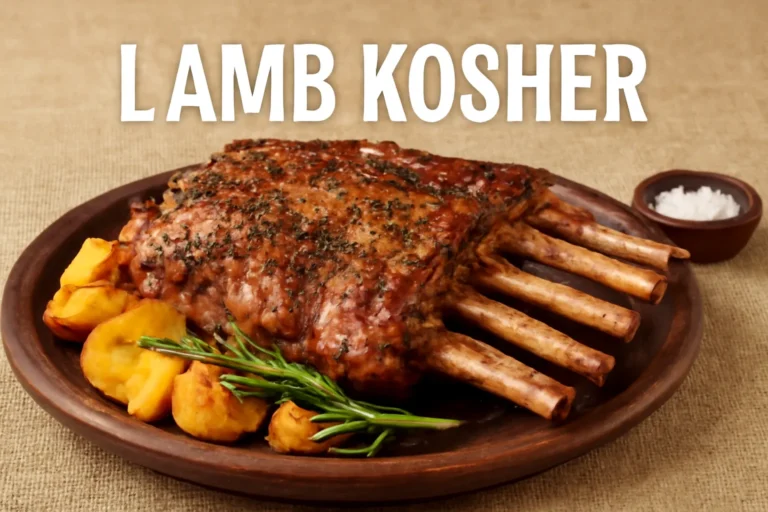
Choose proteins that are naturally kosher if you follow meat-based diets, such as fish meeting kosher standards or poultry slaughtered under supervision.
Use gluten-free grains and starches as the base for entrees, sides, and fillings. Look for gluten-free labeled products that also bear a reliable kosher certification when necessary.
Plan dairy- and meat-free meals that satisfy pareve needs while avoiding gluten contamination.
Practical Shopping Guide: How to Read Labels and Choose Safely
Smart Shopping Habits for Kosher and Gluten-Free Diets
Building a pantry that respects both dietary frameworks requires careful choices. The following strategies help you shop with confidence:
Always look for both a reliable kosher certification symbol and a gluten-free designation when applicable.
Read the ingredients list meticulously, watching for hidden gluten sources like malt extract, bulgur, soy sauce (which often contains gluten), and starches such as wheat starch.
Check the allergen statements for dairy, egg, soy, nuts, and gluten to ensure you meet your kosher and gluten-free needs.
Be mindful of cross-contamination warnings on labels, such as produced in a facility that processes wheat.
When in doubt, contact the manufacturer or consult a local rabbi or a certified kosher supervisor for guidance on kosher status and gluten-free integrity.
Common Product Categories and Safe Choices
Below is a practical checklist you can use when shopping for groceries, snacks, and prepared foods:
Canned goods: Look for gluten-free labels and kosher symbols; avoid thickening agents with gluten unless confirmed gluten-free.
Dry goods: Rice, cornmeal, corn flour, quinoa, millet (gluten-free by default in many regions), and certified gluten-free oats can be safe with kosher certification when needed.
Bakery items: Choose breads and crackers with explicit gluten-free labeling and kosher certification; beware of shared ovens or utensils in bakeries.
Snacks: Nuts, dried fruits, popcorn, and chips can be safe if certified gluten-free and kosher; verify flavorings for gluten and dairy additives.
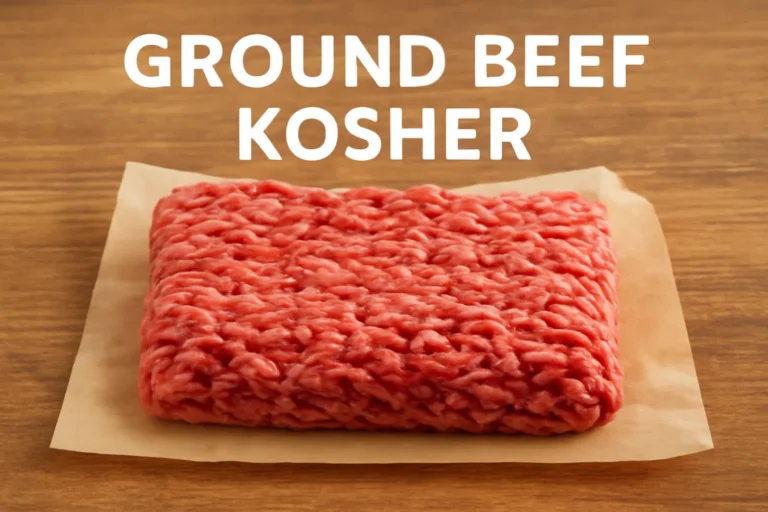
Meat and poultry: Ensure the product is kosher and that any marinades or coatings do not introduce gluten or dairy in ways that violate your guidelines.
Dairy products: If you follow meat-and-dairy separation, ensure dairy is certified kosher and free of gluten-containing ingredients.
Special Packaging and Storage Tips
How you store and prepare foods can affect safety:
Store gluten-free products in clearly labeled containers to prevent cross-contact with gluten-containing items.
Keep separate utensils and boards for gluten-free cooking, or thoroughly wash and sanitize between uses.
Mark containers with both kosher and gluten-free indicators if you’re stocking a shared pantry.
Dining Out and Travel: Safe Choices on the Go
Restaurants: Communicating Your Needs
When dining out, clear communication is essential. Use the following approach:
Ask for gluten-free options and confirm there is no cross-contact in kitchens or on fryers used for gluten-containing foods.
Request kosher-certified dishes where relevant, and ask about ingredients in sauces and dressings that can carry hidden gluten or non-kosher elements.
Offer to review the restaurant’s ingredient lists or speak with a manager or chef about gluten-free integrity and kashrut considerations.
Be wary of menu items that are fried or breaded, as they frequently involve gluten cross-contact and may require dedicated equipment to be truly safe.
Plan ahead by calling hotels or event organizers to confirm availability of kosher-certified and gluten-free meals.
Carry a small kit with labeled utensils, a portable cutting board, and a snack stash that is both kosher and gluten-free.
Use trusted apps or resources that list certified kosher kitchens and gluten-free options at airports or in cities you plan to visit.
Kitchen Foundations: Safe Home Practices for Kosher and Gluten-Free Cooking
Equipment, Utensils, and Surfaces
A well-organized kitchen helps prevent safety breaches:
Maintain separate sets of utensils and cookware for meat and dairy if you observe traditional kashrut rules.
Use dedicated utensils or thoroughly kasher utensils that have touched non-kosher meat or dairy, especially if you also need to protect against gluten contamination.
Label cutting boards and surfaces for gluten-free or kosher use to avoid cross-contact.
Pantry Organization and Labeling
A well-labeled pantry reduces accidental non-compliance:
Designate a shelf or container for gluten-free staples with clear labeling and measurement units.
Keep a running list of kosher-certified products you regularly buy, including the certification symbol and category (pareve, meat, dairy).
Store dairy and meat products separately and ensure that gluten-free items are kept away from potential cross-contact with gluten-containing foods.
Special Considerations: Medical Diets, Allergies, and Cultural Sensitivity
Medical Diets and Dietary Restrictions
For many people, medical conditions require strict adherence to both kosher and gluten-free guidelines. If you have celiac disease, wheat allergy, or non-celiac gluten sensitivity, the emphasis should be on gluten-free safety, cross-contact avoidance, and reliable labelling, while still respecting kosher requirements if they apply to your family or community.
Pregnancy, Infants, and Special Diets
In pregnancy or while feeding infants, nutrition is especially important. A combined approach helps ensure you receive adequate protein, fiber, and micronutrients while staying within kosher and gluten-free boundaries. In many cases, naturally gluten-free grains like quinoa and buckwheat (though labeled as gluten-free in many markets) may be used with appropriate kosher certification to meet dietary needs.
Religious and Cultural Considerations
Families may follow additional practices beyond standard kosher and gluten-free guidelines, such as special holidays with unique foods or regional interpretations of kashrut. In these cases, seek guidance from local authorities, rabbis, or community resources. The process of dietary observance can be enriched by planning ahead, sharing information, and building a network of trusted sources for both kosher-compliant and gluten-free-compliant options.
FAQs: Quick Answers to Common Questions
Is all gluten-free food automatically kosher?
No. A product can be gluten-free yet not kosher if it contains non-kosher ingredients or lacks proper certification. Always look for both gluten-free labeling and a credible kosher certification when necessary.
Can I substitute gluten-free grains in a kosher meal?
Yes. Many gluten-free grains (rice, corn, quinoa, millet, sorghum) can be used in kosher dishes. Ensure the grain products carry a reliable kosher symbol if you follow strict kashrut or rely on a kosher-certified product line.
What should I do if I’m traveling and have both dietary needs?
Plan ahead, carry a concise list of your requirements, verbalize your needs in local languages if needed, and seek out restaurants or markets with clear kosher-certified and gluten-free options. When in doubt, consult a local supplier or a mobile app that catalogs compatible venues.
Resources and References: Where to Find Reliable Information
Kosher Certification Organizations
These groups provide reliable hechsher markings and consumer guidance. If you’re unsure about a mark, consult a knowledgeable authority in your community.
Orthodox Union (OU)
Kosher supervising agencies such as K or Kof-K
Star-K
OK Kosher Certification
Chalav Yisrael and other specialized certifications when relevant
Gluten-Free Resources and Standards
Helpful references for gluten-free credibility and safety include:
FDA and regional regulatory guidance on gluten-free labeling
Gluten-free labeling organizations and product certification bodies
Educational resources on cross-contact prevention, celiac disease, and allergy management
Practical Guides and Community Resources
For ongoing support, explore consumer guides, community cookbooks, and local synagogues or community centers that publish kosher and gluten-free meal plans, event guidance, and tips for parents and caregivers.
Navigating the combined worlds of kosher and gluten-free requires thoughtful labeling, careful reading, and proactive communication. By understanding the fundamentals of kashrut, recognizing gluten-free labeling standards, and adopting practical kitchen and dining-out strategies, you can enjoy a diverse and satisfying diet that respects both frameworks. Remember:
Always verify certification and gluten-free status on products, especially when they are processed or prepared in shared facilities.
Maintain clear systems in your kitchen to prevent cross-contact between gluten-containing foods and gluten-free or kosher items.
When dining out, communicate your needs clearly and request accommodations to protect both kashrut and gluten-free safety.
Stay informed about evolving labeling standards and certifications, and seek guidance from trusted authorities in your community.
This guide aims to empower you to eat with greater assurance, savor a broad range of foods, and maintain peace of mind across different settings. Whether you are cooking at home, choosing meals in restaurants, or shopping for groceries, the combination of careful attention, reliable certification, and practical planning will help you thrive on a diet that honors both kosher observance and gluten-free needs.






Deja una respuesta