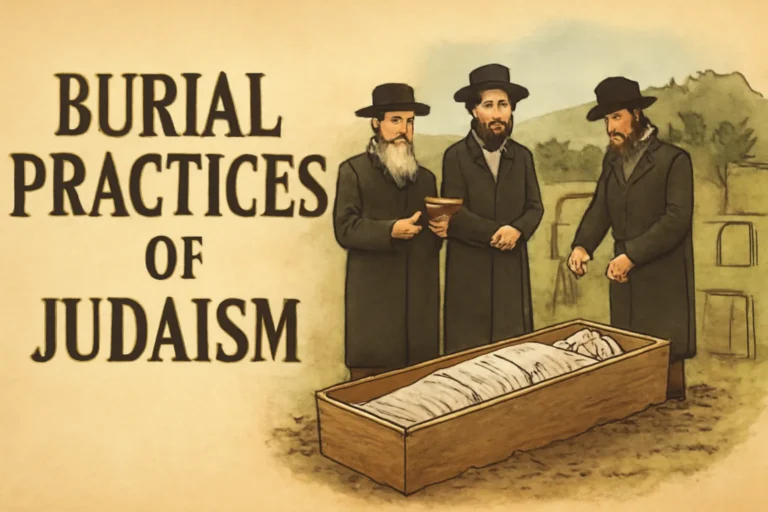
Shiva Mourning Period in Judaism: Seven-Day Rituals & Traditions
Shiva is a fundamental mourning period observed in Judaism, lasting seven days immediately following the burial of a close relative. The term «shiva» means «seven» in Hebrew, emphasizing the duration of this sacred time dedicated to mourning, reflection, and remembrance. During this period, family members typically refrain from work and social activities, focusing instead on honoring the deceased and receiving visitors who come to offer condolences.
Traditionally, shiva provides a structured environment for mourning, allowing loved ones to process grief within a supportive community. The rituals and customs observed during shiva are rooted in Jewish law and tradition, emphasizing humility, prayer, and remembrance. This period also serves as a communal reminder of mortality and the importance of spiritual reflection, fostering a connection to faith and family bonds during times of loss.
📊Profile
Hebrew name
שבעה (Shiva)
Date in Hebrew calendar
Varies depending on the date of death
Date in Gregorian calendar
Varies, typically within days of burial
Duration
Seven days
Type
Rabbinical tradition
Category
Mourning/Grief
Torah portion
Not specific to a Torah portion
Key mitzvot
Reciting Kaddish, sitting on low stools, covering mirrors, refraining from celebrations
Symbolic foods
No specific foods, but meals are often simple and provided by community members
Greeting/phrase used
May your memory be a blessing
📜History and Significance
Historical Context of Shiva
The practice of mourning for seven days has ancient roots in Jewish tradition, dating back to biblical times. The number seven symbolizes completion and divine perfection, reflecting the belief that mourning should be a structured period of reflection and spiritual growth. Historically, shiva allowed family members to mourn openly, supported by community members who would visit and offer comfort.
Throughout centuries, the customs associated with shiva have evolved but retained their core purpose: to honor the deceased, support the mourners, and facilitate spiritual healing. The rituals serve as a reminder of mortality and the transient nature of life, encouraging mourners to turn their grief into a renewed sense of faith and connection to God. The communal aspect of shiva underscores the importance of collective mourning in Jewish culture, fostering solidarity and shared remembrance.
Spiritually, shiva is viewed as a period for introspection, prayer, and connecting with God. It emphasizes humility, acceptance of mortality, and the importance of community support. The recitation of prayers like Kaddish helps elevate the soul of the departed and provides comfort to the living. The seven-day mourning period is seen as a sacred time for healing and spiritual elevation, reinforcing the enduring bonds of family and faith.
🕯️Traditions & Customs
Traditional Practices During Shiva
During shiva, mourners typically sit on low stools or the floor to symbolize humility and their state of mourning. Visitors come to offer condolences, often reciting prayers such as the Kaddish, a prayer magnifying God’s greatness, which is recited daily by mourners and their community. Covering mirrors prevents vanity and emphasizes spiritual reflection over physical appearance during this solemn period.
In many Jewish communities, it is customary to refrain from shaving, bathing, or wearing new clothing during shiva, reflecting a focus on mourning and humility. Meals are usually brought by friends and community members, and mourners often sit in a designated room, creating a dedicated space for grief and remembrance.
Differences in Traditions
While the core customs of shiva are consistent across Jewish communities, there are variations. Ashkenazi traditions often include the tearing of a garment or ribbon (keriah) at the funeral and the recitation of specific prayers. Sephardic communities may have different melodies for prayers and may incorporate additional customs, such as lighting memorial candles or visiting graves during shiva.
Overall, shiva serves as a communal and personal period of mourning, allowing families to grieve openly while supported by their community. The customs reinforce the importance of memory, prayer, and community in Jewish mourning practices.