A Bar Mitzvah is a meaningful milestone in a Jewish family’s life, marking a young person’s transition into religious responsibility and community participation. Along with prayers, readings, and celebrations, the way guests and family dress for the occasion communicates respect for tradition, reverence for the ceremony, and consideration for fellow attendees. This guide offers a comprehensive, practical look at dress code for Bar Mitzvah events, with options for guests, family members, and the Bar Mitzvah boy himself. It covers a broad spectrum of styles—from very formal to festive casual—and it explains how to balance personal taste with synagogue norms, venue requirements, and the expectations of the host family.
Understanding the Bar Mitzvah Dress Code Landscape
White or light symbolism is common on many Bar Mitzvah weekends, but the reality is diverse. Dress codes are shaped by the venue (synagogue, ballroom, outdoor garden), the time of day (daytime versus evening), the season, and the level of observance in the community. The central aim is respect, modesty, and celebration, not perfection in fashion. That said, there is room for personal style and family tradition. This guide presents a range of dress code variations to help you choose appropriately while staying comfortable and confident.
Common Dress Codes You’ll Encounter
To navigate a Bar Mitzvah wardrobe, you’ll often see several defined codes. Here are the most common, with plain language explanations and examples to help you translate them into real outfits.
Black-Tie and Black-Tie Optional
Black-tie is the most formal option and typically implies a tuxedo for men and a formal evening gown for women. Black-tie optional invites guests to dress more casually than a tuxedo but still in elegant, dark-toned attire. In many Bar Mitzvah settings, black-tie may feel a bit out of place unless the event truly is an upscale gala. For many families, a formal daytime or early-evening look that stays within a tuxedo-like elegance can strike the right balance.
Men: Dark suit and tie or a tuxedo if the invitation specifies black-tie; formal dress shoes; crisp shirt.
Women: Long gown, a sophisticated cocktail dress, or a dressy suit; elegant accessories; modest neckline permissible in many communities.
If you’re uncertain, aim for polished sophistication without being overdressed for a daytime ceremony. Many hosts prefer a sartorial vibe that conveys ceremony without requiring a full evening-wear silhouette.
Formal Attire (Dressy or Evening Formal)
Formal attire usually means suits or dressy dresses, sometimes with a slightly more structured or glamorous touch. This is a frequent choice for Saturday or evening Bar Mitzvahs that transition into a reception with dancing and socializing.
Men: Dark suit or dark blazer with dress pants, tie, dress shirt, and polished shoes. Optional pocket square or tie bar adds flair.
Women: Cocktail-length or full-length dresses, dressy separates, or a refined skirt and blouse ensemble; subtle jewelry and a stylish clutch.
Semi-Formal and Cocktail Attire
Semi-formal or cocktail attire is a versatile, widely acceptable choice for many Bar Mitzvahs that begin in the late afternoon or early evening. It invites color, texture, and a modern sensibility while staying respectful.
Men: Suit and tie or a blazer with dress pants; dress shirt; leather shoes.
Women: Dressy cocktail dress, a sleek jumpsuit, or dressy separates; you can experiment with color and texture here, while avoiding revealing necklines or short hemlines depending on the community.
Some Bar Mitzvahs emphasize festive attire—bright colors, bold fabrics, and playful accessories that capture the celebratory mood without compromising respect. This is common in temples or communities that enjoy a lively, family-centered atmosphere.
Men: Modern suits in a slightly lighter shade, or a blazer with dress pants; tie welcome but not mandatory in all instances.
Women: Colorful dresses, printed fabrics, or dressy separates; consider fun accessories but maintain modesty and decorum.
Casual and Smart-Casual Options
If the event is held outdoors, at a beach venue, or labeled as casual, you still want to honor the occasion. Smart-casual means neat, put-together outfits that avoid athletic wear, ripped jeans, or t-shirts with logos.
Men: Blazer or sport coat with chinos or neat trousers; collared shirt; loafers or dressy sneakers depending on the venue.
Women: Dress or coordinated top and skirt/pants combo; avoid overly casual fabrics like jersey; sandals may be acceptable depending on the setting.
Dress Codes with Religious and Community Considerations
In many Jewish communities, modesty guidelines are important. For Orthodox or Conservative communities, these norms influence attire more strongly, especially for women. In non-Orthodox settings, there is often more flexibility. The key is to follow the invitation guidance and observe the tone of the venue.
Head coverings: Men typically wear a kippah (yarmulke) at religious spaces or when asked by the host; some venues provide disposable head coverings. Women are not required to cover their heads in most non-Orthodox venues, but some families may request modest coverings at certain ceremonies.
Modesty: In communities with tzniut norms, women may opt for dresses or skirts that are knee-length or longer and sleeves that cover the elbow; necklines should be modest.
Guidelines for Guests: How to Choose an Outfit That Respects the Occasion
If you are attending as a guest, your goal is to honor the ceremony, support the honoree, and enjoy the celebration while feeling appropriate and confident in your attire. Consider the venue, the time of day, and the community norms.
Do’s and Don’ts for Guests
Do read the invitation for explicit dress instructions and check with the host if anything is unclear.
Do aim for a cohesive look that does not upstage the honoree or the officiant.
Do choose fabrics and silhouettes that photograph well and stay comfortable for several hours.
Do lean toward modest necklines, longer hemlines, and sleeves when a religious space is involved.
Don’t wear clothing with overt logos, overly casual fabrics (corduroy, fleece, jersey), or beachwear.
Don’t wear white or near-white outfits at certain venues unless the host explicitly invites it; white can be reserved for the honoree in some traditions.
Don’t ignore the weather or the venue’s practical needs; bring a wrap or a fashionable jacket for air-conditioned spaces or evenings outdoors.
Color and Style: How to Build a Cohesive Look
Color choices can convey mood and respect. If in doubt, start with neutrals (navy, black, charcoal, beige) and add color accents through accessories or a single statement piece. For festive or celebratory events, you can introduce brighter tones in a respectful way—think jewel tones, soft metallics, or a colorful scarf or tie.
Practical Tips for Shopping and Fitting
Shop with your calendar in mind: a Bar Mitzvah day event requires outfits that look fresh, feel comfortable, and remain dignified for photos and dancing.
Choose fabrics that breathe and move well: wool blends for cooler months; high-quality fabrics that don’t wrinkle easily.
Fit matters more than extreme trends: well-tailored pieces will look polished and feel comfortable for hours.
Plan for layering: temples and event spaces can swing between warm and cool; a blazer, cardigan, or shimmery wrap can adapt to temperature shifts.
Guidelines for Family Members and The Honoree
When you are part of the family circle or the Bar Mitzvah boy, attire often carries additional expectations. The goal is to look dignified, be practical for a day that includes ceremony, meals, and dancing, and honor the family’s traditions.
The Bar Mitzvah Boy: Attire and Ceremony Considerations
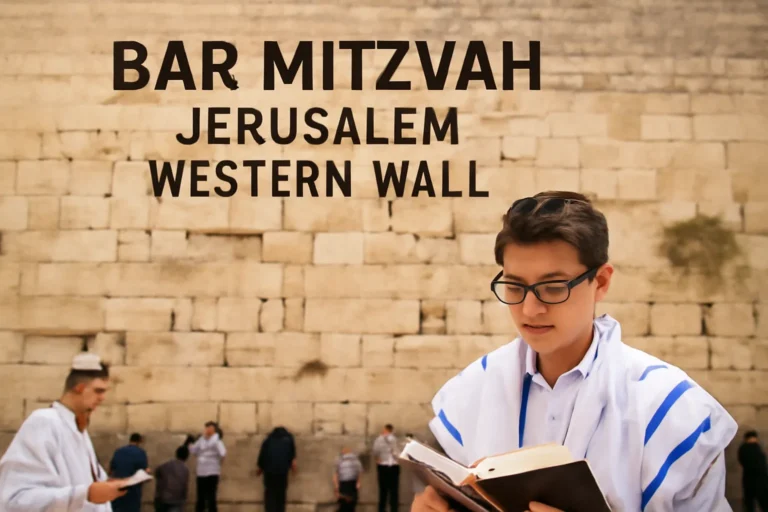
The Bar Mitzvah boy typically wears something respectful and comfortable, such as a suit or a coordinated dress shirt with dress pants, and a tallit (prayer shawl) or kippah for the ceremony, if appropriate for his community. Some families may also emphasize future-ready audition pieces for photos or a personalized blazer with subtle accents that reflect the family’s culture.
Ensure the shirt is clean and ironed; a well-pressed look makes a strong impression in the ceremony photos.
Discuss the tallit (if using one) and whether it will be worn during the occasion or only at specific moments.
Coordinate with the cantor or rabbi about any special customs the boy might observe during the service.
Parents and Siblings: Coordinating Attire with the Event Tone
Parents and siblings often set the tone for the family’s overall appearance. Some families choose to coordinate outfits through color schemes or complementary styles so that everyone appears as a unified group in photos.
Mother: A sophisticated dress or a dressy suit in a color that complements the family palette; consider modest necklines and sleeves if the ceremony is in a synagogue with stricter modesty norms.
Father: A dark suit or a dressy blazer with tie; a pocket square or subtle cufflinks can add a refined touch without looking flashy.
Siblings: Coordinated but not matching outfits; ensure comfort for dancing and long hours of standing or walking.
Color Palettes, Seasonal Tips, and Thematic Considerations
Color and season influence not just fashion but also comfort and photography. Some hosts suggest a color palette to keep the event cohesive. A thoughtful color plan helps guests avoid clashing with floral arrangements and the décor, while letting the honorees stand out.
Seasonal Considerations
Spring/Summer: Light fabrics, cooler colors like sky blue, soft pink, champagne, or lavender; breathable fabrics help guests stay comfortable during outdoor photos or early receptions.
Autumn/Winter: Deeper hues such as charcoal, navy, burgundy, emerald; add a textured layer like a velvet blazer or a wool wrap for warmth without sacrificing polish.
Venue and Theme Alignment
If the event has a specific theme or venue-based dress code, align accordingly. For example, a garden reception invites softer palettes and lighter silhouettes, while a formal synagogue ceremony calls for more restrained, classic silhouettes.
Etiquette and Practicalities: Making the Day Run Smoothly
Beyond fashion, there are etiquette considerations that help the day flow with ease. When in doubt, prioritize readability for photos, comfort for long hours, and respect for sacred spaces.
Head Coverings and Religious Signage
In many synagogues, men cover their heads with a kippah; women’s head coverings are typically optional outside Orthodoxy but may be requested by the host in certain settings or during specific rituals.
Throw on a yarmulke or skullcap if your invitation or venue suggests it; many venues provide disposable kippot on-site.
Seating, Photos, and Dancing: How Attire Affects Comfort
Choose outfits with pockets or small bags for essentials when you’ll be moving around between ceremony and reception.
For dancing, consider comfortable footwear; men may opt for polished flats or dress shoes with ergonomic support; women may choose stylish heels with a practical heel height or dressy flats.
Be mindful of long ceremonies; choose outfits that allow easy movement, especially for the Bar Mitzvah boy who may be standing, reading, or presenting for extended periods.
Outfit Idea Gallery: Quick, Doable Looks for Each Role
The following ideas are practical starting points you can customize based on the invitation’s guidance, your budget, and your personal style.
For Guests: Daytime Village Ceremony
Men: Navy blazer, light gray trousers, pastel dress shirt, no tie or a lightweight knit tie; loafers.
Women: Tea-length dress with a modest neckline; light cardigan for air-conditioned spaces; stylish flats.
For Guests: Evening Formal Reception
Men: Dark suit or tuxedo if invited; dress shirt with a conservative tie; black dress shoes.
Women: Elegant floor-length gown or a refined cocktail dress with a cover-up for modesty if required by the venue.
Mother: Coordinated dress or skirt-suit in a color that complements the family palette; elegant, comfortable shoes.
Father: Dark suit with a tie; optional boutonniere that matches the décor.
Siblings: Dressy separates or a suit for brothers; tasteful dresses or dressy jumpsuits for sisters.
For the Bar Mitzvah Boy
Classic option: Dark suit with a crisp white shirt and a tie, or a blazer with dress pants; a kippah and tallit if observed by the family.
Alternative: A smart, well-fitted dress shirt with a vest and dress pants for a modern twist; comfortable shoes for standing and dancing.
Budget-Friendly and Eco-Friendly Shopping Tips
Attire for a Bar Mitzvah doesn’t have to break the bank. Here are practical ways to get a polished look without overspending, while still being mindful of the environment.
Renting formalwear can be far more economical than buying new for a one-off event. Many rental houses offer curated packages for men and women that fit a range of codes.
Second-hand and consignment shops often stock gently worn, brand-name dresses and suits at a fraction of the price.
Mix-and-match strategies: Use a solid suit and add color through shirts, scarves, belts, or jewelry to create multiple looks from a single base piece.
Repurpose pieces: Dresses or suits you already own can be altered or accessorized to fit the event’s tone, saving money and reducing waste.
Common Mistakes to Avoid
Even with a clear invitation, some guests unintentionally miss the mark. Here are mistakes to avoid so your attire remains appropriate and respectful.
Overdressing or underdressing for the venue; always align with the stated dress code, if any, and consider reaching out to the hosts for clarification.
Ignoring modesty norms where they matter; in communities with tzniut guidelines, ensure coverage is comfortable and tasteful.
Clashing with the season or venue; avoid fabrics that wrinkle easily in heat or that look out of place in a synagogue or garden ceremony.
Disregarding practicality for long ceremonies or outdoor receptions; choose footwear that supports standing, walking, and potential dancing.
Practical Checklists: Quick Reference Before You Buy or Pack
Use these concise lists to ensure you cover all bases before the big day.
For guests: Check invitation, note time of day, read venue guidelines, pick a color palette, select a versatile outfit, confirm head-covering policy when applicable.
For family: Coordinate color family, confirm attire expectations with the host, plan for photos, ensure kids’ outfits are comfortable for ceremony and dancing.
For the Bar Mitzvah boy: Prepare the outfit with the family; practice wearing it for the ceremony; confirm whether a tallit will be worn and when.
Final Thoughts: Respect, Celebration, and Personal Style
The most important element of any Bar Mitzvah attire is respect for the ceremony, respect for the host family, and the sense of community celebration that the day embodies. While fashion is a meaningful part of the experience, it should serve the event, not overshadow it. By choosing attire with intention, you honor the honoree and contribute to a warm, welcoming atmosphere for everyone present.





Deja una respuesta