Introduction: Healing as a Covenant Theme in the Old Testament
In the Old Testament, healing is not merely a medical category. It is a theological and covenantal reality that
intertwines physical restoration, moral renewal, communal well-being, and spiritual wholeness. The biblical authors present healing as a gift from God, a sign of divine presence, and often a consequence of faithful obedience to the covenant.
Yet healing also occurs within the drama of suffering, exile, and longing for restoration. The stories, laws, poems, and prophecies
invite readers to see health not only as the absence of illness but as the flourishing of life under God’s reign.
This article surveys key passages and teachings about healing in the OT, highlighting the main Hebrew terms for healing,
notable narratives of restoration, prophetic visions of future wholeness, and the interplay between personal health and communal fidelity. The aim is to
offer a broad, nuanced portrait of how the biblical imagination understands divine healing, restoration, and well-being.
Throughout, you will encounter several variations on the theme of healing: physical cure, moral and spiritual restoration, emotional healing, ritual cleansing, land and community renewal, and eschatological visions of cosmic wholeness.
Key Hebrew Concepts and Terms Surrounding Healing
To appreciate the OT’s healing language, it helps to note the core Hebrew ideas that recur across different books and genres.
Rapha (to heal or be healed). This is the primary verb associated with healing and the name
by which God is revealed as the healer.
Refuah (healing, remedy, or restoration). Refuah carries the sense of restoration for bodily
health as well as for social and communal well-being.
Shalom (peace, completeness, welfare). Healing and wholeness are often described as aspects of
overall shalom, a holistic flourishing that includes justice, harmony, and well-being.
Tikvah (hope) and chesed (mercy or steadfast love) frequently accompany healing
narratives, reminding readers that healing is both divine gift and response to human faithfulness.
Balm in Gilead (balm as medicinal noun and symbol) becomes a proverb in Jeremiah that points to
a hoped-for, abundant recovery when people turn to God (Jeremiah 8:22).
Ritual cleansing terminology in Leviticus (especially regarding leprosy) emphasizes restoration to community
and ritual purity, underscoring that healing has a social dimension in the OT world.
Key Passages and Narratives: Healing in Action
The Old Testament presents healing through a spectrum of literary forms: laws, historical narratives, psalms, and prophetic oracles.
Each genre emphasizes a dimension of healing—God’s mercy, human faith, communal restoration, and the anticipation of a coming
time when creation is made whole.
Exodus 15:26: The Lord as Healer in the Covenant Context
In the immediate aftermath of the Exodus, God declares himself as healer to the people who have just crossed the sea and
faced bitter testing in the wilderness. The covenantal condition is explicit: if you listen to the voice of the Lord, keep
his decrees, and do what is right, I will not bring on you the diseases I put on the Egyptians; for I am the Lord
who heals you (Exodus 15:26, common English translations). This verse frames healing not as a private commodity but
as a covenantal gift tied to obedience and relationship with God. The passage invites readers to understand illness and health within
the larger story of divine guidance, moral response, and the gracious initiative of God.
The consequence is clear: healing becomes a sign of trust in the Lord, a tangible expression of life under his care,
and a counterforce to the idolatrous and oppressive forces that seek to deform communal life. As such, the health of Israel becomes
a template for a community defined by fidelity, worship, and mercy.
Leviticus 13–14: Purity, Leprosy, and Ritual Healing
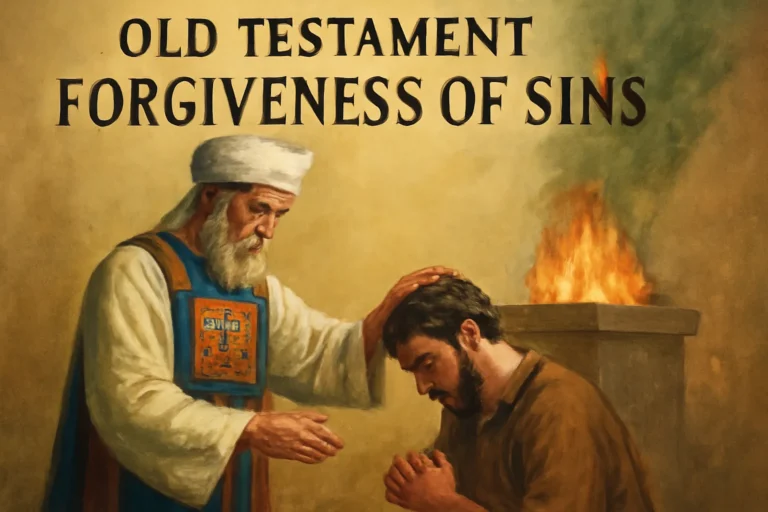
The Levitical sections on leprosy and ritual cleansing show how the biblical writers connect healing with purity
rituals and communal wholeness. Leprosy is not only a physical condition; it creates ritual impurity and social
exclusion. The healing process involves diagnosis, quarantine, cleansing, and restoration. Steps include:
The priest's examination and declaration of uncleanness or cleanliness.
A seven-day waiting period and repeated inspection for extended cases.
A ritual cleansing involving washed clothing, bathing, and, in some cases, sacrifices or offerings.
The restoration of the individual to full participation in the community once proven clean.
The Levitical cleansing rites function as a form of healing for the entire community, showing that
individual health and social health are deeply interwoven in the social imaginary of Israel. The ritual language points to a
deeper truth: God’s intention for health includes right relationship with him and with one’s neighbors.
2 Kings 5:1–14: Naaman’s Leprosy and Humble Faith
The story of Naaman, the powerful Syrian commander, is one of the most famous OT healing narratives. Though a foreigner,
Naaman seeks healing in the God of Israel and learns a crucial lesson about humility and obedience. Elijah’s minister, Elisha,
does not perform a dramatic act of laying hands but directs Naaman to wash in the Jordan River seven times. By obeying the
prophet’s instruction, Naaman is healed of his leprosy (2 Kings 5:1–14). The narrative foregrounds several theological themes:
Faith and humility: Naaman’s initial rage gives way to submission and trust in the God of Israel.
Divine power operating through human agents: A prophet, not the king, mediates healing.
Acceptance of the signs God provides: Healing comes through simple, obedient actions rather than elaborate display.
Healing as restoration of status: Physical healing enables Naaman to return to service and live with dignity.
The Naaman story challenges readers to consider how healing often requires humility and receptivity to God’s unconventional means. It
also broadens the scope of healing beyond Israel to the nations, highlighting the universal dimension of God’s mercy.
2 Kings 2:19–22: Healing the Waters of Jericho
When the men of Jericho report that their water is contaminated and their land remains unfruitful, Elisha responds with a healing
act that is both practical and symbolic. The prophet directs that salt be thrown into the water, and he proclaims, “Thus says the
Lord, I have healed this water; there shall not be from hence any more death or unfruitfulness” (parallel phrasing in several
translations). The water becomes wholesome, and life returns to the city and its fields.
This healing of the land illustrates a broader biblical theme: God’s healing touches creation and agriculture as well as people.
Clean water, fertile soil, and a healthy environment are integral to a thriving community. The passage invites readers to see healing
as holistic, encompassing both human bodies and the larger ecological and economic systems on which communities depend.
Psalm 41:3 and Psalm 103:3: Personal Health and Divine Mercy
The Psalms offer a more intimate and emotionally resonant picture of healing. Psalm 41:3 speaks of God sustaining the sick and restoring
health, while Psalm 103:3 declares a gracious provision: God forgives all iniquities and heals all diseases.
Psalm 41:3: The Lord sustains him on his sickbed; in his illness you restore him to full health.
Psalm 103:3: He forgives all your iniquities and heals all your diseases.
These verses remind readers that healing in the OT is not only about curing a bodily ailment. It is also about forgiveness, restoration of life, and the ongoing presence of God in the day-to-day realities of pain, vulnerability, and recovery.
Isaiah 53:5 and Isaiah 53:4–6: Healing as Suffering and Redemptive Wounding
A foundational OT healing text appears within the prophetic collection: Isaiah 53, often read in the Christian tradition as
anticipating a suffering servant whose wounds bring healing. Verse 5 famously states, “But he was pierced for our transgressions,
he was crushed for our iniquities; the punishment that brought us peace was upon him, and by his wounds we are healed.”
The healing described here is both personal and cosmic. It points to moral healing (forgiveness of sin) and spiritual restoration through costly suffering. Even within the OT, healing is bound up with
the hope of a future time when God’s justice and mercy converge to bring comprehensive renewal.
Isaiah 35:5–6 and Isaiah 61:1: Eschatological and Messianic Visions of Healing
The prophetic trajectory toward eschatological healing is explicit in passages like Isaiah 35:5–6: the eyes of the
blind will be opened, the ears of the deaf unstopped, the lame will leap like a deer, and the mute will shout for joy. These promises
anticipate a future reality when healing becomes a universal manifestation of God’s rule.
In Isaiah 61:1, healing is linked to the anointing and the proclamation of good news to the poor. The verse famously declares, “The Spirit of the Lord God is upon me, because the Lord has anointed me to bring good news to the poor; he has sent me to bind up
the brokenhearted.” Healing here is deeply social and spiritual: it binds up the brokenhearted, comforts the afflicted, and
inaugurates a ministry of restoration that extends beyond individuals to communities and nations.
Jeremiah 8:22 and the Balm of Gilead: A Cry for Present Healing
Jeremiah 8:22 poses a piercing question: Is there no balm in Gilead? is there no physician there? The verse frames
healing as a shared need within the community and as a theological lament about delay or absence of healing in the face of illness.
The metaphor of balm evokes soothing, cure, and restorative power even as it signals longing for God’s timely intervention.
The Jeremiah passage invites readers to reflect on how longing for healing functions in faith communities: to trust in God’s mercy, to seek
appropriate means of care, and to hold fast to hope that God will act to restore what has been broken. The call remains timely for readers who
face chronic illness, grief, or instability within a world where healing is not always immediate.
Elisha’s Miracles and Healing as Restoration of Life
The books of Samuel and Kings record several healing episodes led by the prophetic ministry of Elijah and Elisha. Beyond outright
healings, Elisha’s work often involves restoration that touches life itself:
Elisha and the Shunammite’s son (2 Kings 4:18–37): The revival of a child represents life-restoration
and the renewal of family mercy through prophetic intercession.
Elisha and the oil and food miracles (2 Kings 4): Various narratives emphasize well-being, sustenance, and
communal care for the vulnerable, which together contribute to a broader sense of healing within the community.
Elisha and the healing of waters in Jericho (2 Kings 2:19–22): A concrete act of healing that also demonstrates the power of
prophetic intervention in turning danger into safety and blessing for a city.
Together, these episodes frame healing as both a personal experience and a public good, often mediated through prophetic grace and
communal action. They reveal a pattern: healing that restores relationships, roles, and responsibilities
within the community, enabling people to live in peace and in accordance with God’s purposes.
Healing as a Holistic Reality: Body, Mind, and Society
A common thread across OT healing narratives is their holistic orientation. Healing is never strictly
a private medical event; it is embedded in the social and spiritual fabric of the people.
Physical health is frequently the visible sign of God’s presence and mercy, enabling people to fulfill their roles in
family, work, and worship.
Mental and emotional healing is seen in the Psalms and prophetic literature as restoration of hope, trust, and inner peace.
Spiritual healing involves forgiveness, reconciliation with God, and renewed fidelity to the covenant; it restores
one’s inner life and outward action alike.
Social and communal healing occurs through ritual cleansing, restoration of purity, and the reintegration of the
marginalized (the leper, the outsider, the ill) into the common life of worship and society.
Ecological and national restoration appears in healing of waters, fertility of the land, and visions of universal peace
that accompany the messianic hope in prophetic literature.
Healing and Covenant Faithfulness: The Theological Framework
The OT often presents healing as bound to obedience, reverence, and trust in the one true God.
When the people respond in repentance or faith, healing can follow as a tangible sign of God’s merciful renewal. When trust falters, illness,
plague, or national distress may reflect the pain of living under a broken covenant. This symmetry—between fidelity and healing, between sin and
health—shapes how readers understand God’s mercy and judgment.
Yet this framework never reduces healing to a mere transaction. It emphasizes that God’s life-giving power is freely offered to the weak, the
afflicted, and the oppressed. The healing narratives teach that God’s compassion is not exhausted by any single event; rather, healing remains a
continuing invitation to know and worship the living God who makes people whole.
Healing through Prophetic and Priestly Mediation
In many OT healings, the agent through whom healing comes is a prophet or a priest. Elijah and Elisha function as conduits of God’s
mercy, while Levitical priests enact cleansing rites that restore individuals to covenant life. The priestly and prophetic roles together
model a spiritual ecology in which healing involves speech, ritual, and action grounded in God’s promises.
Prophetic agency: The prophets announce God’s healing mercy, call people to repentance, and often point beyond the present
to God’s future restoration.
Priestly cleansing: Ritual purity rites in Leviticus 13–14 symbolize the social and religious dimensions of healing,
restoring the healed person to worship and community life.
Prophetic imagination of universal healing: The healing motifs in Isaiah and Jeremiah point toward a time when all
nations will experience God’s restorative grace, signaling a cosmological expansion of health beyond Israel.
Practical Takeaways: What OT Healing Teaches for Today
Reading the OT’s healing material invites contemporary readers to reflect on how healing functions within their own communities and
lives. Several themes emerge that continue to resonate:
Healing as wholeness: A biblical horizon views health not as mere absence of sickness but as shalom—a
flourishing of life in all dimensions: body, spirit, community, and creation.
Healing and justice: Social healing involves caring for the vulnerable, ensuring justice, and building inclusive
communities where the marginalized are welcomed and restored.
Faith and humility: Some healings require patient trust, obedience to divine guidance, and openness to God’s
unconventional methods, even when they surprise or challenge earthly expectations.
Hope and eschatology: OT healing stories anticipate a future fullness of healing—where pain and sorrow are finally
swallowed up by God’s final restoration of all things.
Interconnected healing: Personal health, communal welfare, spiritual renewal, and environmental well-being are
interwoven in the biblical vision of life under God.
Healing Terminology in the OT: A Glossary for Readers
To assist readers as they study the texts, here is a compact glossary of recurring terms and ideas related to healing:
Rapha — to heal, to cure; the root behind God’s self-designation as the healer.
Refuah — healing, remedy, restoration; a term used in narrative and poetic texts to denote restoration of health.
Shalom — peace, welfare, completeness; healing is often described as the restoration of shalom.
Balm in Gilead — a metaphorical image of medicinal relief and divine mercy in Jeremiah’s lament (Jeremiah 8:22).
Cleansing and purity rituals — Leviticus 13–14 present healing in the form of purification that restores one to community worship.
Restoration of life — episodes like the Shunammite son (2 Kings 4) and the Jericho waters (2 Kings 2) highlight healing as life-restoration and renewal of God’s promise for healing across creation.
Messianic and prophetic healing — passages like Isaiah 53:5 and Isaiah 61:1 frame healing within the broader narrative of God’s redemptive plan for the world.
Conclusion: Healing as God’s Persistent Gift to a Restoring World
The Old Testament presents a multifaceted, deeply theological understanding of healing. It is not simply about curing a
disease; it is about God’s mercy shaping a people who live in right relationship with him, with each other, and with the
world he has made. Healing is a grace that flows through covenant faithfulness, a sign that God’s rule brings
restoration to persons, communities, and even creation itself. As the prophetic and psalmistic voices remind us, healing ultimately points
toward a future when God will make all things new, and in that day all wounds will be healed by the gracious presence of the God
who reigns over all.





Deja una respuesta