If you are reading this, you are probably asking questions like how to become a Messianic Jew, or you are exploring the possibility of a path that blends Jewish identity with belief in Yeshua as Messiah. This article aims to be a practical, respectful, and comprehensive guide to that journey. It does not presume a single, official procedure, because what it means to become Messianic Judaism varies from community to community. Instead, it offers a step-by-step framework you can adapt to your own questions, traditions, and spiritual experiences.
The term Messianic Judaism covers a broad family of congregations and individuals who affirm the authority of the Hebrew Scriptures, observe Jewish life cycles and holidays, and also recognize Yeshua/Jesus as the Messiah. Some people encounter Messianic Judaism through a church, some through a synagogue-like setting, and others through family or personal study. This article uses variations of the phrase how to become a Messianic Jew, such as becoming a Messianic Jewish believer, or path to Messianic Jewish identity, to reflect the range of paths people take to engage with this movement.
What is Messianic Judaism, and why people pursue it
At its core, Messianic Judaism seeks to unify two commitments that many people hold dear: a deep love for the Jewish people, land, and tradition, and a personal faith in Yeshua as the Messiah. This fusion can include:
Belief that Yeshua is the fulfillment of biblical prophecy and the promised Messiah of Israel.
A strong emphasis on Torah observance and Jewish law as a guide for life.
Participation in Jewish rhythms of life, including Shabbat, kashrut, and the annual festivals.
b>Public worship that often blends traditional Jewish liturgy with New Testament teachings about Jesus.
A sense of belonging to a Messianic Jewish community that is both a faith family and a bridge to the wider Jewish and Christian worlds.
It is important to recognize the diversity within this movement. Some communities place more emphasis on evangelistic outreach, others on rabbinic study, and still others on a more intensely Jewish lifestyle. Because there is no single universal conversion procedure, people often describe their path with phrases like becoming a Messianic Jew, embracing Messianic Jewish identity, or entering a Messianic community.
Step 1: Do your spiritual homework — understand your beliefs and identity
The first step in any journey toward Messianic Judaism is introspection and education. You are exploring two intertwined questions: What do I believe about Yeshua as Messiah? and What does it mean to live as a Jew who loves Yeshua? This phase can be deeply personal and may take months or years. Some people begin with personal study, while others start by meeting with a teacher or mentor in a local community.
Guiding questions for self-reflection
What is my current understanding of Messiah and prophecy in the Hebrew Scriptures?
How do I relate to Jewish history, culture, and practice?
What role does Jesus/Yeshua play in my faith, and how do I express that relationship?
What is my level of comfort with Torah study, Shabbat observance, and Jewish holidays?
It can be helpful to keep a journal or notes about your questions, insights, and any concerns you encounter. A thoughtful, patient approach helps you discern whether this path aligns with your spiritual convictions and your sense of community.
Step 2: Learn the core beliefs and the vocabulary of Messianic Judaism
A solid foundation in both Jewish and Christian terms helps you engage with the Messianic Jewish world with clarity and respect. This is not just about vocabulary; it is about understanding how the two strands are integrated in practice.
Yeshua as Messiah: central affirmation that Jesus is the promised deliverer for Israel, and that faith in Him is compatible with a Jewish life.
Torah and mitzvot: many Messianic Jews see Torah as a guide for living, not merely a historical document; practice may include commandments, observances, and ethics rooted in Torah.
Israel and the Land: a sense of belonging to the Jewish people and a connection to the land of Israel, often expressed through prayer, calendar, and community life.
Jewish worship and Messianic worship: a distinctive blend of Jewish liturgy with beliefs about Yeshua; music, liturgy, and ritual practice reflect both traditions.
Sanctification and community: the growth of character and values through study, prayer, and participation in a faith community.
In addition to creedal statements, many people explore practical areas such as:
Hebrew language basics and common liturgical phrases
Shabbat and festival observances
Kosher-style dietary practices
How to read and interpret Bible passages that involve Messianic expectations
If you are unsure about any doctrine or practice, seek trustworthy resources, such as a local Messianic congregation, a mentor, or published material from recognized teachers in the movement. Remember that honest questions are part of healthy spiritual growth.
Step 3: Visit Messianic congregations and meet the community
One of the most practical steps on the path to becoming Messianic Jewish identity is to spend time in community. Attending services, attending Bible study classes, and engaging in fellowship opportunities helps you experience how beliefs translate into daily life.
Observe how worship blends Jewish liturgy with faith in Yeshua.
Talk with rabbis, pastors, or elders about their interpretation of Messianic law and their approach to discipleship.
Ask about membership, discipleship, or confirmation processes—if the community has a formal path.
Consider the size and culture of the congregation: some are more Torah-centered, others lean toward evangelistic outreach, and others emphasize street-level discipleship.
If you have existing Jewish family or cultural ties, invite them to participate in the journey, and listen to their perspectives as you explore. Community is a two-way street, and your involvement should be respectful and voluntary.
Step 4: Begin practicing a Jewish life consistent with Messianic belief
Practice is what often moves a person from belief to belonging. In Messianic Judaism, practice usually includes some level of engagement with Jewish life, while also maintaining the belief in Yeshua as Messiah.
Practical areas to start or deepen
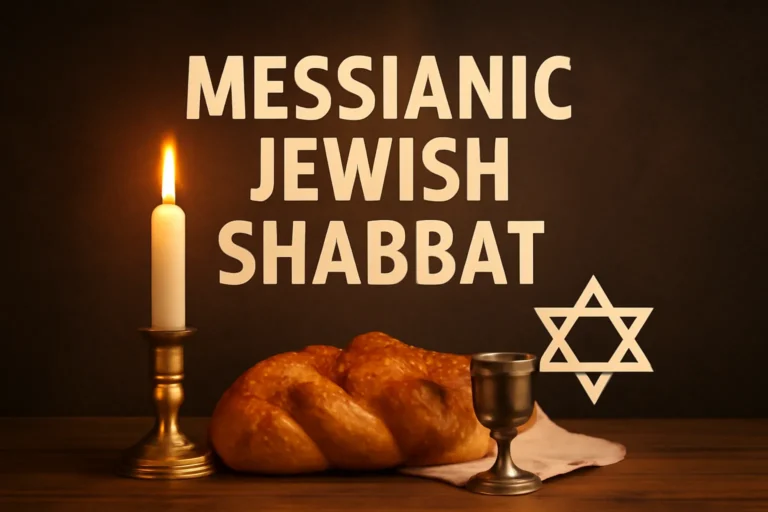
Shabbat observance: lighting candles, rest, family or community meals, and prayer in a spirit of holiness.
Torah study and scriptural reading with a Messianic or Jewish focus.
Festival observance: participating in Passover (Pesach), Weeks (Shavuot), Trumpets (Rosh Hashanah), Atonement (Yom Kippur), Booths (Sukkot), and other biblical feasts as understood in the Messianic context.
Kashrut considerations: decisions about dietary laws range from adherence to kosher guidelines to a more lenient approach; many communities adopt a practical, family-friendly standard.
Prayer life: Hebrew prayers, Psalms, and personal petitions written or adopted to reflect belief in Yeshua as Messiah.
You may find yourself gradually adopting practices that feel meaningful and sustainable. It is perfectly acceptable to begin with incremental changes and expand as you grow in knowledge and community support.
Step 5: Accept Yeshua as Messiah and articulate your faith
A central moment for many on the path to Messianic Judaism is the personal decision to affirm Yeshua as the Messiah and to call Him Lord in the context of Jewish faith and practice. This step is often described in various ways across communities, including:
Professional or public declaration of faith in Yeshua as the Messiah
A personal covenant or commitment to live as a disciple who loves the Scriptures, the Jewish people, and God
Participation in baptism or immersion in some Messianic contexts, though not all communities require it or practice it the same way
It is essential to understand that there is no universal rite required by all Messianic congregations. Some treat baptism as a separate spiritual step, while others emphasize a faith confession and ongoing discipleship within a Jewish setting. If baptism or immersion is discussed, seek clarity about its meaning, purpose, and theological significance within that particular community.
Step 6: Seek mentorship and guidance from experienced leaders
Along the journey, you will typically encounter mentors—a rabbi, a pastor, or a lay leader—who can help you interpret Scripture, explain customs, and navigate the practical realities of living a Messianic Jewish life.
A mentor can assist you with:
Understanding how to integrate Jewish worship with belief in Yeshua
Naming and aligning with a community or congregation
Identifying educational tracks, such as Hebrew classes, Torah study, or apologetics focused on Messianic Judaism
Discussing how to address questions from non-Messianic friends or family with grace and honesty
Remember that mentorship is a partnership. Seek mentors who model humility, reverence for Scripture, and a commitment to ethical living—qualities that help you grow in a healthy and sustainable way.
Step 7: Clarify your status within the community you choose
Because there is no single universal code for conversion into Messianic Judaism, you will likely encounter different pathways depending on the congregation or fellowship. Some communities offer a formal membership process, while others emphasize ongoing discipleship and practical integration without a formal designation.
Ask explicitly about membership, discipleship programs, and any expectations related to rituals, teaching, or service.
Clarify whether the community views you as a guest, a student, or a member-in-progress, and what that means for participation in worship, leadership, and community life.
Inquire about any rites that may be important in that community, such as mikveh (ritual immersion) or public confession of faith, and understand the theological significance and practical implications.
This step is about finding a home where you can grow in authenticity, honesty, and love—for God, for the Jewish people, and for the Messiah you affirm.
Step 8: Learn and apply Jewish life with a Messianic understanding
As you deepen your walk, you will likely study Jewish law, ethics, and practice through the lens of faith in Yeshua. This involves not merely following rules but cultivating a mature, integrated life that honors both your heritage and your beliefs.
Practical studies and disciplines
Hebrew reading skills for Bible study and prayer
Understanding biblical calendars and how they relate to worship
Ethical living, social justice, and charitable acts within the community and beyond
Interfaith and intercommunity dialogue with grace and humility
The aim is not to abandon Jewish roots but to bring them into fresh fullness through a relationship with Yeshua. Your learning path may include formal classes, study groups, or personal mentorship.
Step 9: Engage with the broader Jewish and Israeli worlds
Becoming Messianic Jewish often correlates with a broader sense of Jewish peoplehood. Many who pursue this path deepen connections with:
Building respectful relationships with others who hold different beliefs is part of a mature faith journey. You may also choose to support Israel-focused ministries, learn about Jewish-Christian dialogue, or participate in cross-cultural service opportunities.
Common questions and myths about becoming a Messianic Jew
When people consider joining a Messianic Jewish community, they often encounter questions and misconceptions. Here are some typical topics and careful responses to help you think clearly:
Do I have to leave my other faith or family behind? No. For many, this path becomes a way to enrich existing faith and family life. Some people navigate tension with family or tradition, and it helps to seek wise counsel and maintain honesty and respect in all relationships.
Is this a form of conversion? It varies by community. Some congregations have a formal process, while others emphasize ongoing discipleship and community integration without a strict conversion ceremony.
Will I have to follow all Jewish laws? Practices vary. Most people begin with essential elements—Shabbat, holidays, prayer, and modest dietary choices—and expand gradually as understanding grows.
What about baptism? Some communities practice or observe baptism as a public profession of faith; others do not emphasize it. If baptism is discussed, consider its purpose within that community and how it relates to your personal faith story.
Step 10: Build a sustainable, joyful practice
The final element is to cultivate a faith life that lasts. Becoming a Messianic Jew is not simply completing a checklist; it is about ongoing transformation, worship, study, and service. Think about what sustains you in the long term: supportive relationships, meaningful worship, opportunities to teach or mentor others, and avenues to serve your community.
Establish regular times for study, prayer, and reflection.
Participate in community life—small groups, volunteer teams, teaching opportunities.
Invest in Hebrew and Bible study, whether through classes or personal study plans.
Explain your path clearly to those who ask, with patience and humility, so your witness is a source of light and not controversy.
What to expect next: a practical plan you can adapt
If you want a concrete plan, here are practical milestones you can adapt to your circumstances. This plan does not replace the wisdom of a local teacher or rabbi, but it offers a realistic path for someone considering how to become a Messianic Jew.
Spend 3–6 months in personal study and small-group discussion focused on the core beliefs and practices of Messianic Judaism.
Attend several worship services in one or more Messianic congregations to understand differences in liturgy, teaching style, and community life.
Begin practicing Shabbat, a basic level of kosher-minded eating, and festival observance in a way that fits your family and schedule.
Develop a personal statement of faith that articulates your belief in Yeshua as Messiah and your commitment to Jewish life and study.
Consult with a mentor or shepherd in the community about next steps, including any formal processes that may exist locally.
Engage in a gradual, public step—whether a baptismal event, a membership class, or a formal profession of faith—if and when you feel ready and the community approves.
The most important guideline is to proceed with integrity, honesty, and a willingness to learn. The journey is not simply a transition from one label to another; it is a spiritual formation that aims to deepen faith, nurture community, and honor both Jewish heritage and the belief in Yeshua as Messiah.
Conclusion: A thoughtful, faithful approach to Messianic Jewish life
In the end, the question “how to become a Messianic Jew” is answered not only by steps but by a posture of humility, curiosity, and love. It involves engaging with a vibrant community that grows in knowledge of Scripture, embraces Jewish life with sincerity, and centers on the person of Yeshua as the Messiah of Israel. The path may look different from person to person and from congregation to congregation, but the core aim remains: to live as a follower of Jesus within a Jewish and Messianic framework that honors God, respects tradition, and builds up the community.
If you decide to begin this journey, approach it with patience, seek trustworthy guidance, and remain open to how God may shape your understanding of identity, faith, and community. A thoughtful, well-ordered path that combines study, worship, and service can become not just a way to label your beliefs, but a way to live them out with integrity and joy.