Mexico City Jewish Tour: Ultimate Guide to Synagogues, History, and Jewish Culture
Mexico City Jewish Tour: Ultimate Guide to Synagogues, History, and Jewish Culture
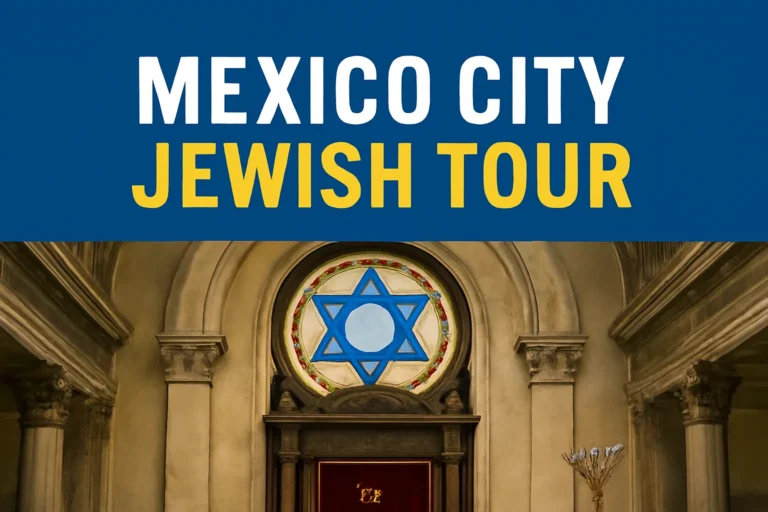
Welcome to this comprehensive guide to a Mexico City Jewish tour that explores synagogues, history, cuisine, and contemporary culture. Whether you call it the CDMX Jewish tour, the Mexico City Jewish heritage tour, or simply a Jewish tour in Mexico City, this article offers a broad, respectful, and detailed overview designed for travelers, students, and curious locals. The goal is to help you navigate the city’s religious spaces, historical threads, and vibrant Jewish communities with clarity and curiosity. Throughout, you’ll find variations of the phrase that reflect semantic breadth and connect with diverse readers who search for related terms like Mexico City Jewish history tour or Jewish culture walk in Mexico City.
Understanding the scope of the Mexico City Jewish Tour
A well-planned Mexico City Jewish tour is more than a set of temple visits. It is a journey through centuries of migration, adaptation, and cultural exchange that shaped an enduring community in one of Latin America’s largest cities. In this guide you will discover:
Historical narratives that explain how Jewish life in Mexico City evolved from early roots into a robust modern community.
An overview of the sacred spaces that represent Ashkenazi, Sephardic, and other Jewish traditions, and how these spaces welcome visitors (often by appointment).
Insights into Jewish culture in Mexico City, including cuisine, language, education, philanthropy, and festival life.
Practical planning tips on how to arrange visits, what to expect during tours, and how to engage respectfully with local communities.
A concise history of Jews in the capital: from distant memories to vibrant presence
The history of Jewish life in the Mexican capital blends a long arc of migration, survival, and cultural contribution. While the earliest Jewish presence in the region can be traced to crypto-Jewish communities and colonial-era stories, the modern, openly practicing community began to take shape in the 19th and 20th centuries with waves of Ashkenazi and Sephardic families, refugees, and professionals seeking new opportunities. Today, the city hosts a diverse ensemble of communities, organizations, and institutions that support religious practice, education, and social welfare.
Crypto-Judaism and historical threads
Older narratives often touch on crypto-Jewish histories in the region, where people practiced aspects of Judaism in secrecy. These stories have become a part of the broader cultural memory and are sometimes highlighted in museums, archives, and scholarly talks that form part of a broader historical tour in the capital. Visitors may encounter presentations that describe how religious identity was preserved under challenging conditions, as well as the gradual emergence of visible Jewish life in the city.
Key waves of migration and community formation
In the late 19th and early 20th centuries, Ashkenazi immigrants and later Sephardic families established households, synagogues, and schools. The community diversified further with students, professionals, and families who built philanthropic organizations, cultural centers, and kosher facilities. This layering of traditions created a distinctive urban Jewish landscape—one that today includes a spectrum of rites and practices, as well as shared institutions that support both religious life and cultural celebration.
Where to find the synagogues and centers on the Mexico City Jewish tour
On a Mexico City Jewish tour, you will encounter a range of sacred spaces and community centers. Because many synagogues operate with strict guest policies or require appointments, it is wise to plan ahead and coordinate visits through a local contact, such as a community organization or a guide familiar with the Jewish quarter. The following categories help structure what you might visit and how to approach each experience.
Ashkenazi Orthodox and traditional synagogues: These spaces often emphasize traditional liturgy, modest dress, and respectful etiquette. They are integral to the daily rhythms of the city’s Jewish life.
Sephardic and Ladino-influenced temples: Representing historical ties to Iberian and Mediterranean traditions, these spaces offer a different musical heritage, rite, and calendar nuances.
Conservative/Progressive congregations: These communities emphasize modern approaches to Jewish law, egalitarian leadership, and inclusive programming while maintaining core rituals.
Cultural and Holocaust remembrance centers: Museums and memorial spaces that document Jewish experiences in Latin America and the broader diaspora.
Chabad and educational centers: Often active in community outreach, language classes, kosher dining guidance, and family programming.
Advice for visiting synagogues on the Mexico City Jewish tour
Before you visit any sacred space, consider the following:
Contact ahead to confirm hours and guest policies.
Respect dress codes: modest attire is usually expected inside places of worship.
Ask about guided tours or opportunities to meet a member of the community who can offer context.
Minimize photography in sanctuaries unless explicitly permitted.
Keep conversations discreet, especially during prayer times or ceremonies.
Jewish culture and daily life in Mexico City: what to learn on the tour
A true Mexico City Jewish tour encompasses more than temple architecture. It reveals living culture—the languages spoken, the foods enjoyed, the educational ethos, and the ways communities preserve their heritage while engaging with the wider city. Here are some core cultural elements that often feature in itineraries.
Language, liturgy, and learning
Within the community, you may hear a blend of Hebrew, Spanish, Ladino, and Yiddish. School programs, Hebrew courses, and adult education offerings show how language serves as a bridge between generations. Visitors can discover how religious and secular education coexist in many Jewish institutions and how scholars, students, and families participate in lectures, seminars, and cultural programming.
Cuisine, markets, and kosher dining
Food is a gateway to culture. A Mexico City Jewish tour might include visits to kosher bakeries, dairy and meat shops that maintain strict standards, and eateries that reflect a fusion of local ingredients with Jewish culinary traditions. Expect a mix of traditional Ashkenazi pastries, Sephardic specialties, and modern kosher options that align with both religious observance and contemporary tastes.
Cultural events, holidays, and public life
Throughout the year, Jewish communities in the city host celebrations around Hanukkah, Passover, Purim, and other holidays. Public lectures, art exhibitions, music concerts, and interfaith dialogues often form part of the broader cultural calendar, inviting visitors to participate in a respectful, educational manner. The city’s Jewish calendar can vary year to year, so checking event schedules in advance is wise.
Sample itineraries: how to organize a multi-day Mexico City Jewish tour
To help you envision a compelling experience, here are two example itineraries. Each one can be adjusted for pace, interests, and access to private spaces.
Itinerary A: Heritage and history focus (3 days)
Day 1 — Historic introduction: Start with a guided walk through neighborhoods that have hosted Jewish life for generations. Include a stop at a major synagogue complex (arranged in advance) and a talk with a community archivist about evolution from crypto-Jewish roots to the modern era.
Day 2 — Cultural institutions: Visit a Jewish museum or cultural center that documents regional diaspora histories, followed by a workshop on Jewish languages (Hebrew, Ladino, Yiddish) and their roles in community memory.
Day 3 — Culinary and religious life: Explore kosher markets or bakeries, participate in a hands-on cooking class focusing on Jewish-Mexican fusion dishes, and end with a sunset visit to a synagogue for a brief service if permitted.
Itinerary B: Culture, cuisine, and daily life (2 days with optional extension)
Day 1 — Daily life and dining: Tour kosher and non-kosher markets, sample a range of Jewish-Mexican culinary specialties, and learn about dietary laws in practice in the city’s eateries.
Day 2 — Education and memory: Visit centers that offer Jewish education programs and an engaging exhibit about regional Jewish history; finish with a reflective session on interfaith dialogue and community resilience.
Optional Day 3 — Architectural and architectural-adjacent spaces: Explore synagogues known for their design, along with nearby historic buildings that tell a broader urban story about migration and faith in the capital.
Neighborhoods and routes best suited for a Mexico City Jewish tour
While synagogues and cultural spaces are scattered throughout the metropolitan area, several neighborhoods are commonly featured in itineraries due to accessibility, safety, and their cultural richness. A thoughtful visitor will consider transit times, language needs, and the possibility of private tours when planning routes.
Polanco: Known for its upscale dining, cultural institutions, and easy access to several community centers. This area often serves as a practical base for travelers who want a mix of modern vibe and traditional spaces.
Condesa and Roma: These adjacent, walkable districts offer vibrant street life, bakeries, and small cultural venues where Jewish-inspired art and heritage programs may be hosted.
Centro Histórico and surrounding districts: For those interested in archival material, old-world architecture, and public memory, arranging visits through a guide who can connect you with researchers can be especially rewarding.
Planning tips for a thoughtful and respectful experience
To make the most of your Mexico City Jewish tour, keep a few practical tips in mind. These recommendations help ensure respectful engagement and richer learning opportunities.
Coordinate in advance: Contact synagogues, museums, and community centers to arrange tours, especially if you want a guide who can explain rituals and history.
Respect local practices: Observe modest dress where required, maintain quiet during services, and seek permission before taking photos inside sacred spaces.
Learn a few phrases in Spanish: Simple greetings and questions can go a long way in building a connection with community members.
Bring a flexible mindset: Jewish life is diverse—Orthodox, Conservative, Reform, and secular programs all coexist, often with their own calendars and norms.
Safety and comfort: Choose guided experiences with reputable operators and use secure transport arrangements, especially for evening visits.
Practicalities: what a traveler should know
Embarking on a Jewish heritage walk in Mexico City or a broad CDMX Jewish tour requires practical planning. Here are essential considerations to organize your trip smoothly.
Visas and entry: Mexico typically does not require special visas for many travelers, but ensure your passport is valid for at least six months and check any current travel advisories or entry requirements.
Seasonality: The climate in Mexico City varies by season, with mild, cool air in the evenings and warm days in the dry season. Plan layered clothing for temple visits and outdoor walks.
Timing and calendars: Jewish holidays and local religious calendars can affect access to synagogues and centers. Verify schedules before you go.
Guided vs. self-guided: A guided tour often provides context, translations, and access to spaces that are not open to the public without a host.
Accessibility: If accessibility is a concern, ask in advance about wheelchair access and any mobility considerations for particular sites.
To plan a well-informed and respectful journey, use these types of resources. They can help you arrange visits, learn more about the community, and connect with expert guides who specialize in a Mexico City Jewish tour.
Community organizations: Local Jewish federations or councils often coordinate tours, host conversations, and offer educational materials for visitors.
Synagogues and cultural centers: Official websites and contact emails provide hours, visitor policies, and appointment procedures for tours.
Jewish museums and archives: Museums dedicated to Jewish history in the region provide background readings, timelines, and exhibitions relevant to travelers.
Travel and cultural guides: Reputable travel guides and cultural institutions in the city publish updated itineraries and safety tips for visitors.
Why a Mexico City Jewish tour matters: enriching travel through memory and culture
Participating in a Mexico City Jewish tour connects travelers with a living, evolving community whose history is intertwined with the city’s broader story. By exploring synagogues, learning about migration narratives, sampling kosher and kosher-adjacent foods, and engaging with educators and community members, visitors gain insight into how faith, culture, and urban life coexist in a modern metropolis. A well-curated tour emphasizes not only the architectural beauty of sacred spaces but also the human stories—those of families who rebuilt their lives, teachers who preserved language and tradition, and artists who expressed Jewish identity through music, literature, and visual arts.
Ethical considerations and respectful engagement
When you undertake a Mexico City Jewish tour, you are entering spaces that hold deep meaning for communities. Treat every encounter with courtesy and humility. If you are unsure about a practice or a request—whether to take a photo, to ask a question, or to enter a space—politely ask a guide or a community member for permission. Your curiosity can be a bridge to understanding, provided it is tempered with respect and awareness of the sanctity these spaces often represent.
Closing thoughts: shaping your own journey through the Jewish life of Mexico City
In the end, a Jewish tour of Mexico City is an invitation to observe how faith travels, adapts, and thrives in a megacity. From the quiet dignity of a synagogue’s architecture to the bustling energy of markets and cultural centers, the journey reveals a tapestry of memory and modern life. Whether you call it a Mexico City Jewish heritage walk, a CDMX Jewish journey, or a Mexico City Jewish history and culture expedition, the experience can be deeply enriching for travelers, students, and families alike.
Would you like a personalized sample itinerary based on your interests (architecture, culinary arts, history, or religious practice)? If so, tell me the dates of your trip, your preferred pace, and any accessibility considerations, and I can tailor a plan that aligns with a authentic and respectful Mexico City Jewish tour.






Deja una respuesta