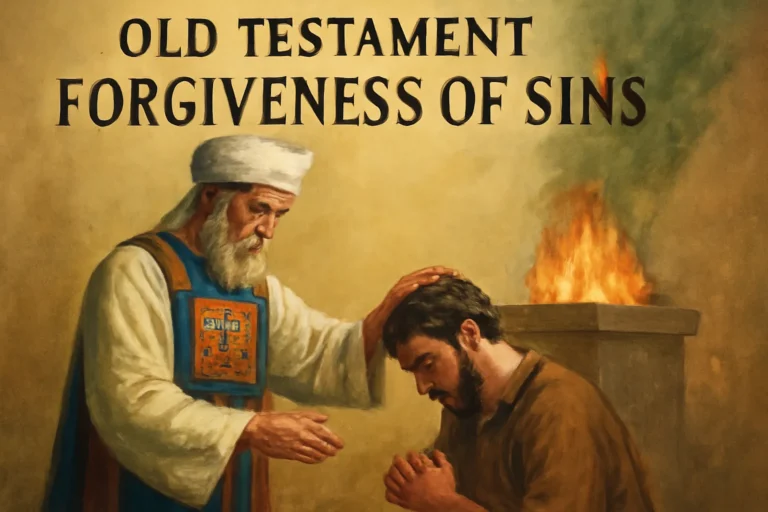
Aaron the High Priest — Founder of Israelite Priesthood in Judaism
Aaron, known as Aharon Hakohen in Hebrew, holds a central place in Jewish tradition as the first High Priest (Kohen Gadol) of Israel. As the elder brother of Moses, he played a vital role in leading the Israelites during their exodus from Egypt and in establishing the priestly lineage that continues in Judaism today. His life is documented primarily in the Hebrew Bible, where he is depicted as a faithful and pivotal figure in the spiritual and national history of the Jewish people.
Born in Egypt, Aaron’s story is intertwined with the foundational events of Judaism, including the liberation from slavery, the receiving of the Torah at Mount Sinai, and the establishment of religious rituals. His role as High Priest involved performing sacred duties in the Tabernacle and later the Temple, serving as a spiritual leader and intermediary between God and the people. His legacy endures through the priestly blessings and rituals that remain integral to Jewish worship and identity.
📊Profile
Full name
Aaron
Hebrew name
Aharon
Born
Approximately 13th century BCE, Egypt
Died
Approximately 13th century BCE, Mount Hor
Era/Period
Biblical Era, Ancient Israel
Role/Title
First High Priest of Israel
Movement or School of thought
Ancient Judaism
Main works or contributions
Establishment of the priesthood, leadership during the Exodus, spiritual guidance, rituals and priestly laws
Known for
Being the elder brother of Moses, first High Priest, spiritual leader, founder of the priestly lineage
📜History and Significance
Historical Context of Aaron’s Life
Aaron’s life is set against the backdrop of the Israelites’ slavery in Egypt and their subsequent liberation. As depicted in the Hebrew Bible, he was born into the tribe of Levi, a priestly lineage, and grew up during a period of profound upheaval and divine intervention. His close relationship with Moses positioned him as a key figure in the leadership that led the Israelites out of bondage.
Spiritual Significance and Leadership
Throughout his life, Aaron served as a mediator between God and the people, assisting Moses in conveying divine commandments. His role as High Priest was established at Mount Sinai, where he officiated in sacred rituals and offerings. Despite challenges, including the incident of the Golden Calf, Aaron remained a symbol of faith and dedication.
After his death, Aaron was mourned by the Israelites, and his descendants continued to serve as priests. His leadership helped shape the religious identity of the Jewish people, emphasizing the importance of priestly service, ritual purity, and communal worship. His story remains a cornerstone of Jewish history and spiritual tradition.
📜Traditions & Customs
Enduring Spiritual and Cultural Legacy
Aaron’s legacy in Judaism is profound and multifaceted. As the first High Priest, he established the priestly class (Kohanim), which continues to serve in various religious functions. His role in guiding the Israelites through their early spiritual journey set foundational principles for Jewish worship, including the priestly blessings and sacrificial rites that are still referenced today.
Beyond his religious duties, Aaron symbolizes humility, reconciliation, and leadership. His story emphasizes the importance of unity and faithfulness to God, even amid challenges such as the incident of the Golden Calf. His compassionate nature and dedication to his people have made him a model of spiritual integrity in Jewish thought.
Influence on Jewish Practice and Thought
The priestly lineage traced back to Aaron influences many aspects of Jewish ritual and law. Kohanim continue to perform specific blessings and rituals, maintaining a direct spiritual connection to Aaron’s original role. His story also inspires themes of brotherhood, leadership, and humility, which resonate throughout Jewish teachings and ethics.
In broader cultural contexts, Aaron’s figure has been a symbol of faithfulness and service. His legacy extends beyond religious boundaries, inspiring various interpretations in art, literature, and communal leadership within Jewish communities worldwide.