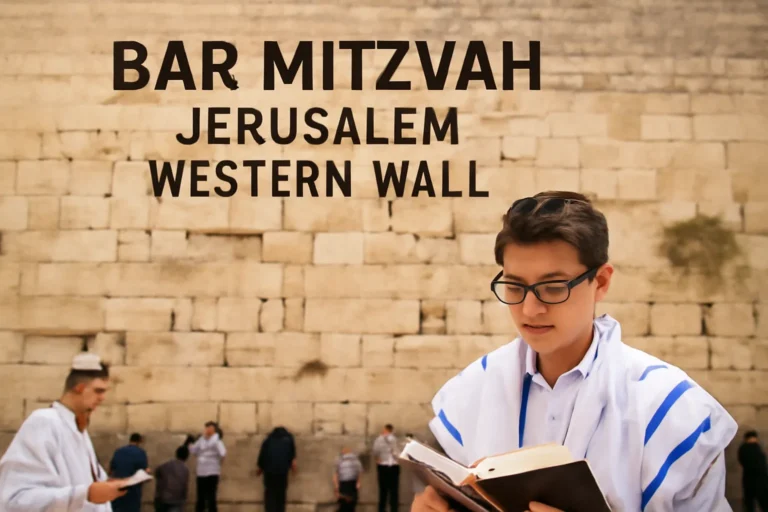
Shushan Purim: Celebrating the Day After Purim in Jerusalem
Shushan Purim is a special Jewish holiday observed on the 15th of Adar, primarily in Jerusalem and other ancient walled cities. It commemorates the unique circumstances of the Purim story, where residents of fortified cities celebrated on the 15th due to the events described in the Book of Esther. This day is marked by festive rejoicing, communal meals, and reading the Megillah, similar to Purim but with distinctive customs specific to these cities.
In cities that had walls during the time of Joshua, the celebration of Purim extends to the 15th of Adar, known as Shushan Purim. This tradition honors the historical fact that the Jews in Shushan, the capital of Persia, fought their enemies on the 13th and 14th of Adar, and then rested and celebrated on the 15th. Today, Shushan Purim remains a joyful occasion emphasizing community, gratitude, and the triumph of the Jewish people over adversity.
📊Profile
Hebrew name
שושן פורים (Shushan Purim)
Date in Hebrew calendar
15th of Adar
Date in Gregorian calendar
Typically in March, varies annually
Duration
One day
Type
Rabbinical holiday
Category
Minor Festival
Torah portion
No specific Torah portion, but related to the Book of Esther
Key mitzvot
Reading Megillah, giving gifts of food, charity, festive meal
Symbolic foods
Mishloach Manot (gift baskets), Hamantaschen
Greeting/phrase
Happy Shushan Purim!
📜History and Significance
Historical Context
Shushan Purim commemorates the events described in the Book of Esther, where the Jews in the Persian capital of Shushan fought their enemies on the 13th and 14th of Adar. Due to the city’s walls, they celebrated their victory on the 15th, a tradition that has persisted through centuries. This distinction underscores the importance of fortified cities in Jewish history and their unique observance of Purim.
Throughout history, Jerusalem and other walled cities have maintained the custom of celebrating Purim on the 15th, recognizing the historical significance of their protection and victory. The day serves as a reminder of divine intervention and the resilience of the Jewish people in the face of adversity.
Shushan Purim emphasizes themes of salvation, divine providence, and community unity. It highlights the importance of celebrating deliverance and expressing gratitude for survival against all odds. The holiday also reinforces the idea that God’s protection extends to all Jewish communities, especially those in fortified or historically significant cities.
🕯️Traditions & Customs
Traditional Observances
Shushan Purim involves reading the Megillah (Book of Esther) in the evening and morning, just like Purim. Communities gather in synagogues to listen to the story of Esther, celebrating the salvation of the Jewish people from Haman’s plot. Giving Mishloach Manot, or gift baskets, and giving charity (matanot la’evyonim) are also central customs, emphasizing community and charity.
Festive meals and rejoicing are integral to the holiday, often including singing, dancing, and public celebrations. In Jerusalem and other walled cities, the celebration extends to the 15th, with special emphasis on communal joy. Some communities hold parades or public events to mark the occasion.
Differences in Traditions
While Ashkenazi communities typically celebrate Purim on the 14th and do not observe Shushan Purim separately, Sephardic and some other traditions honor the 15th as Shushan Purim, especially in Jerusalem. In these communities, the focus is on the victory and salvation of the Jews in fortified cities, with additional prayers and festive customs.
In Jerusalem, the observance of Shushan Purim is particularly vibrant, with many participating in special prayers and community celebrations that highlight the historical and spiritual significance of the day.
The custom of celebrating Purim on the 15th in fortified cities originates from the biblical account of the Jews’ victory in Shushan, which was surrounded by walls.
🕯️
Some communities hold parades and public festivities on Shushan Purim to commemorate the victory and promote communal joy.