Sukkot: Jewish Feast of Tabernacles Celebrating Harvest and Heritage
Sukkot: Jewish Feast of Tabernacles Celebrating Harvest and Heritage
✡
✡Jewish Holiday
Sukkot
Sukkot: Jewish Feast of Tabernacles Celebrating Harvest and Heritage
Sukkot, also known as the Feast of Tabernacles or Feast of Booths, is a significant seven-day Jewish holiday rooted in biblical commandments. It occurs five days after Yom Kippur and marks the end of the High Holy Days season. This festival commemorates the Israelites' 40-year journey in the desert, during which they dwelled in temporary shelters, and celebrates the harvest season in Israel. Sukkot is a time of joy, gratitude, and spiritual reflection, emphasizing the importance of trusting in divine provision and remembering the transient nature of life.
Throughout Sukkot, Jewish communities worldwide engage in various rituals and customs that honor their historical and agricultural heritage. The holiday is characterized by the construction of sukkahs—temporary huts that symbolize the shelters used by the Israelites in the desert—and the waving of the Four Species (etrog, lulav, hadass, and aravah). These practices foster community bonding and reinforce themes of gratitude and dependence on God. Sukkot is one of the three major pilgrimage festivals in Judaism, alongside Passover and Shavuot, highlighting its spiritual and cultural importance.
📊Profile
Hebrew name
סוכות (Sukkot)
Date in Hebrew calendar
15th-21st of Tishrei
Date in Gregorian calendar
September/October (approximate)
Duration
7 days (8 days outside Israel)
Type
Biblical and Rabbinical holiday
Category
Major Jewish Festival
Torah portion
Vezot Haberakhah (Deuteronomy 33:1–34:12) and the sections describing the commandments of Sukkot
Key mitzvot
Building and dwelling in sukkahs, waving the Four Species, festive meals, and rejoicing
Sukkot originates from biblical commandments given in the Torah, specifically in Leviticus and Deuteronomy, where it is commanded to dwell in booths and rejoice before God. Historically, it commemorates the Israelites' journey through the desert after their exodus from Egypt, during which they relied on divine protection and guidance. The holiday also celebrates the harvest season in ancient Israel, emphasizing gratitude for agricultural bounty.
Spiritual Significance
Sukkot embodies themes of trust, dependence on divine providence, and gratitude. It reminds Jews of their ancestors' reliance on God's protection and provision during their wilderness journey. The holiday's rituals, such as dwelling in sukkahs and waving the Four Species, serve as physical and spiritual symbols of unity, faith, and thankfulness. Over centuries, Sukkot has evolved from an agricultural festival into a time of communal joy and spiritual renewal, emphasizing the transient nature of life and the importance of trusting in divine care.
Evolution and Modern Observance
Today, Sukkot remains a vibrant and widely celebrated holiday among Jewish communities worldwide. While the core commandments remain unchanged, modern customs include elaborate sukkah decorations, community events, and educational programs. In Israel, the holiday is marked by large public sukkahs and processions, while in the diaspora, families and congregations focus on home observances and synagogue services. The holiday continues to serve as a reminder of history, faith, and gratitude in Jewish life.
🕯️Traditions & Customs
Construction of the Sukkah
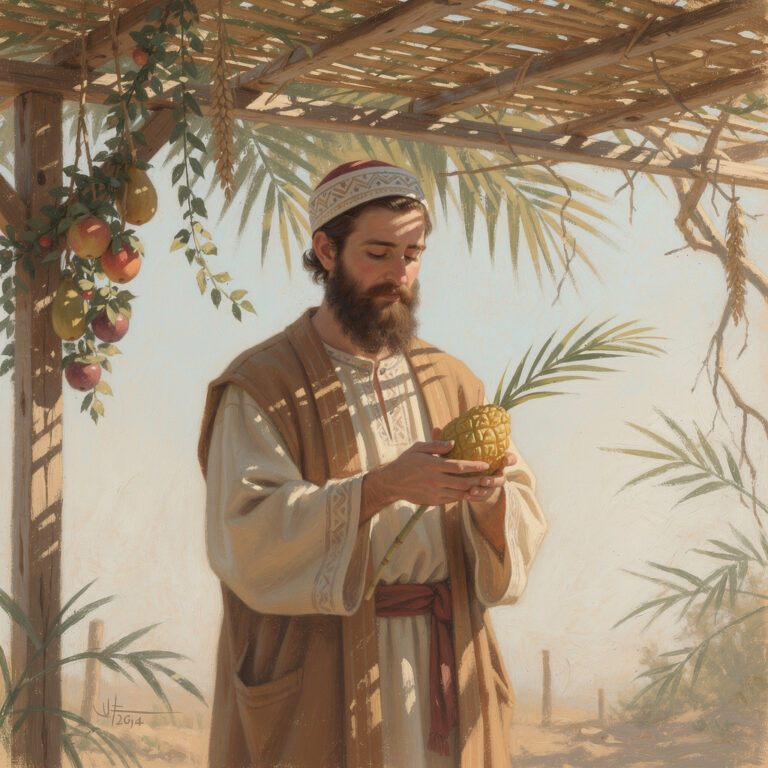
The central tradition of Sukkot involves building a sukkah, a temporary hut with a roof made of natural materials like branches or palm fronds. Families decorate their sukkahs with fruits, vegetables, and other decorations, creating a festive atmosphere. The sukkah is used for meals, social gatherings, and sometimes sleeping, symbolizing the temporary dwellings of the Israelites in the desert.
During Sukkot, Jews perform the mitzvah of waving the Four Species—etrog, lulav, hadass, and aravah—in six directions to symbolize God's omnipresence. This ritual is performed daily during the holiday, accompanied by blessings and prayers. Ashkenazi communities often recite special prayers, while Sephardic traditions may include additional customs and melodies.
Celebratory Practices
Festive meals, singing, and dancing are integral parts of Sukkot, emphasizing joy and gratitude. In Israel, pilgrims traditionally visit the Temple Mount, and communities hold processions and fairs. Outside Israel, the holiday is observed with synagogue services, community gatherings, and family celebrations. The culmination of Sukkot is Shemini Atzeret and Simchat Torah, which focus on rejoicing and completing the annual Torah reading cycle.
✡ · ✡ · ✡
💡Key Facts
🕍
The etrog used during Sukkot is often carefully selected for its size, shape, and fragrance, and some communities have special customs for choosing and blessing it.
📜
In some Jewish traditions, the Four Species are waved in six directions—north, south, east, west, up, and down—to symbolize God's omnipresence in all directions.
✡️
The construction of sukkahs is often a community activity, with many neighborhoods hosting sukkah-building contests and fairs.
🕯️
In Israel, it is customary for many to visit the Western Wall during Sukkot, and some even sleep in sukkahs on the Temple Mount as a spiritual practice.





Deja una respuesta